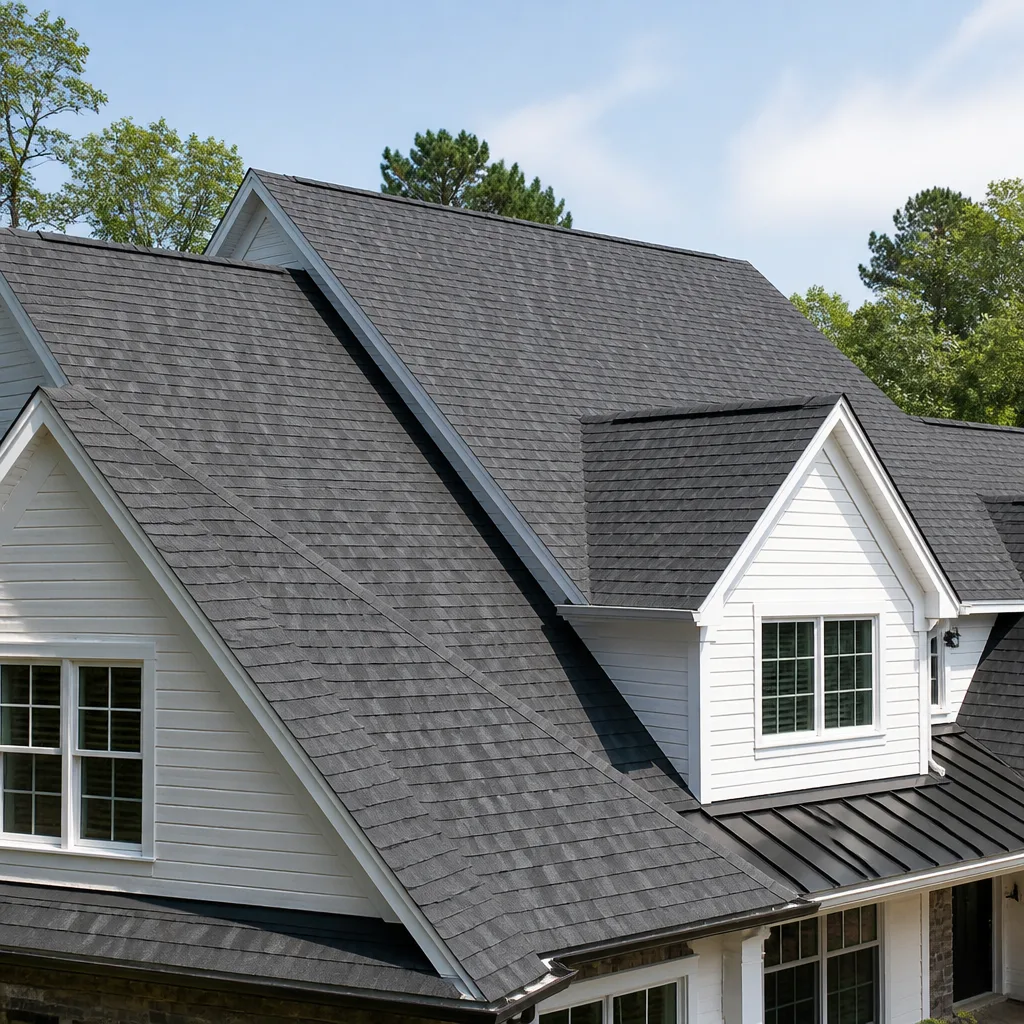
 Architectural shingles
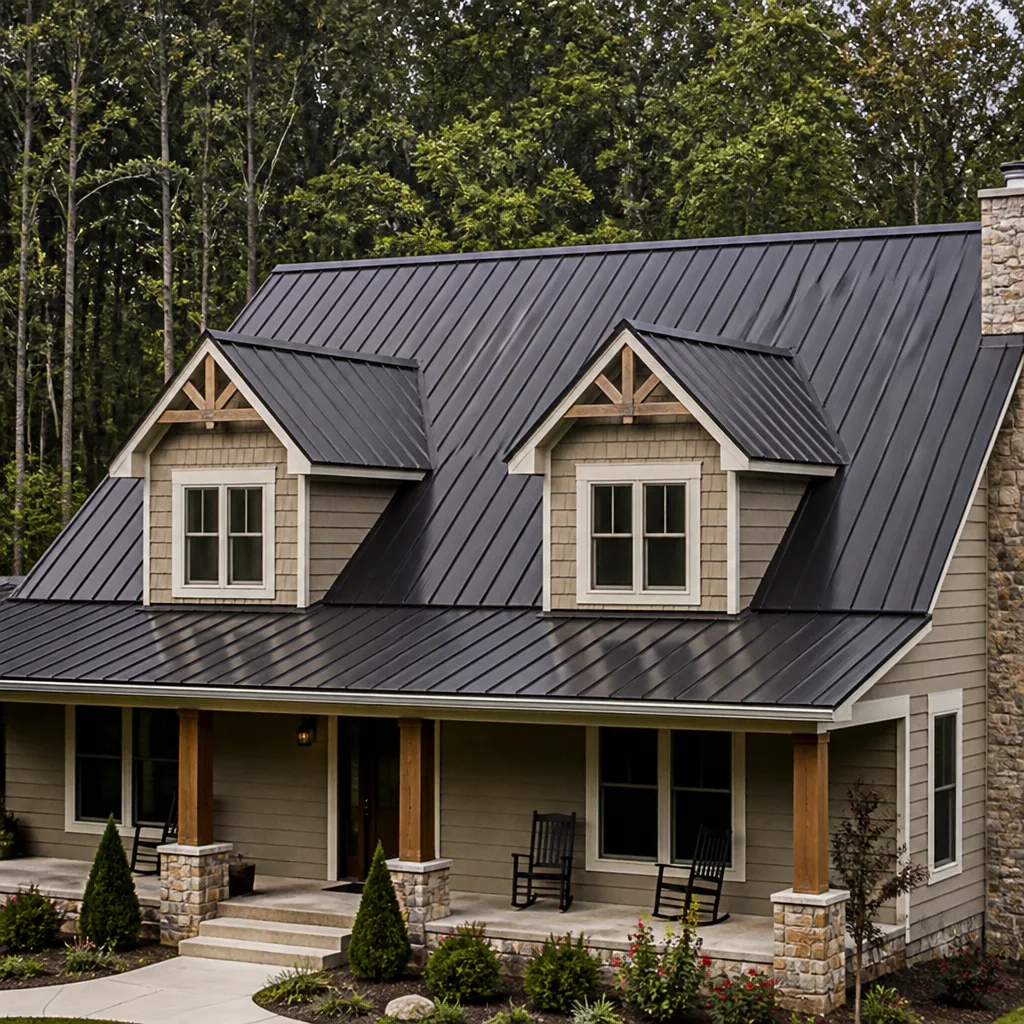 Metal roofing
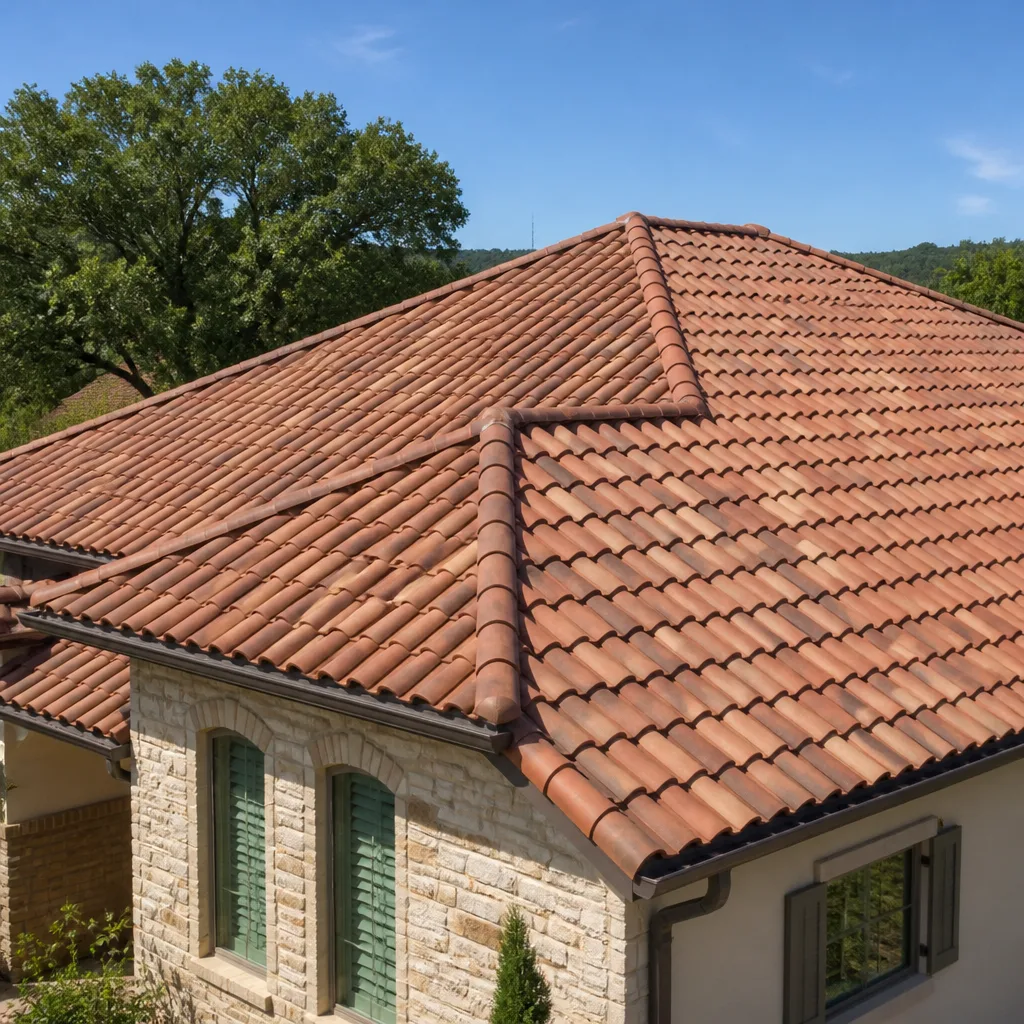 Tile roofing
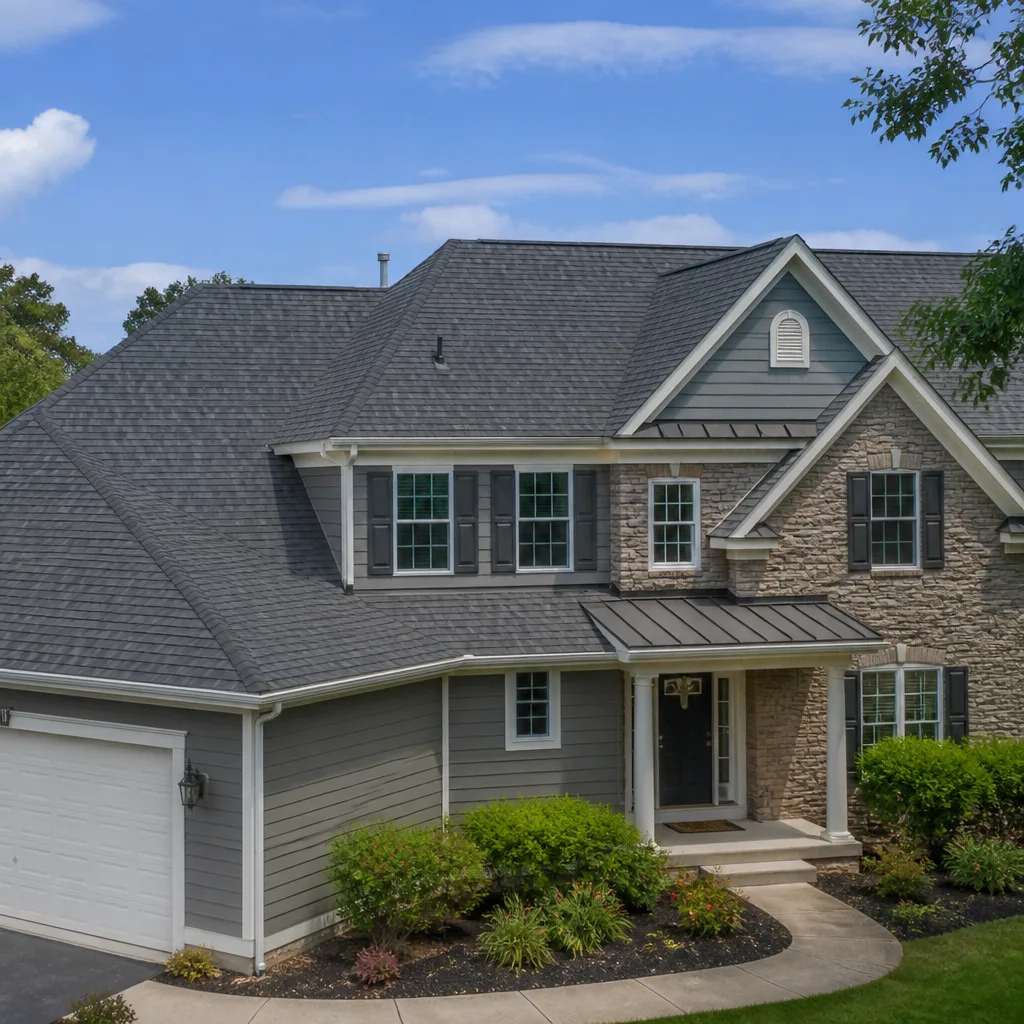 GAF
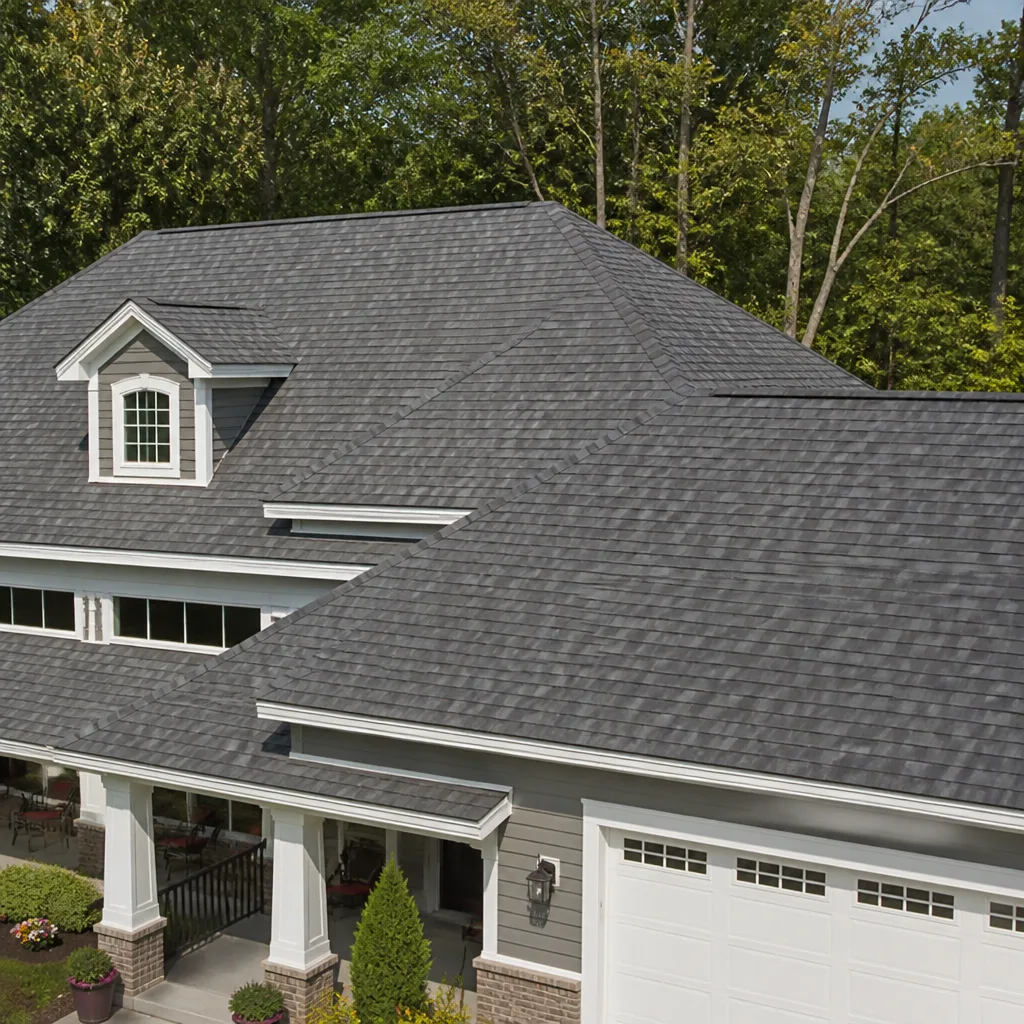 Owens Corning
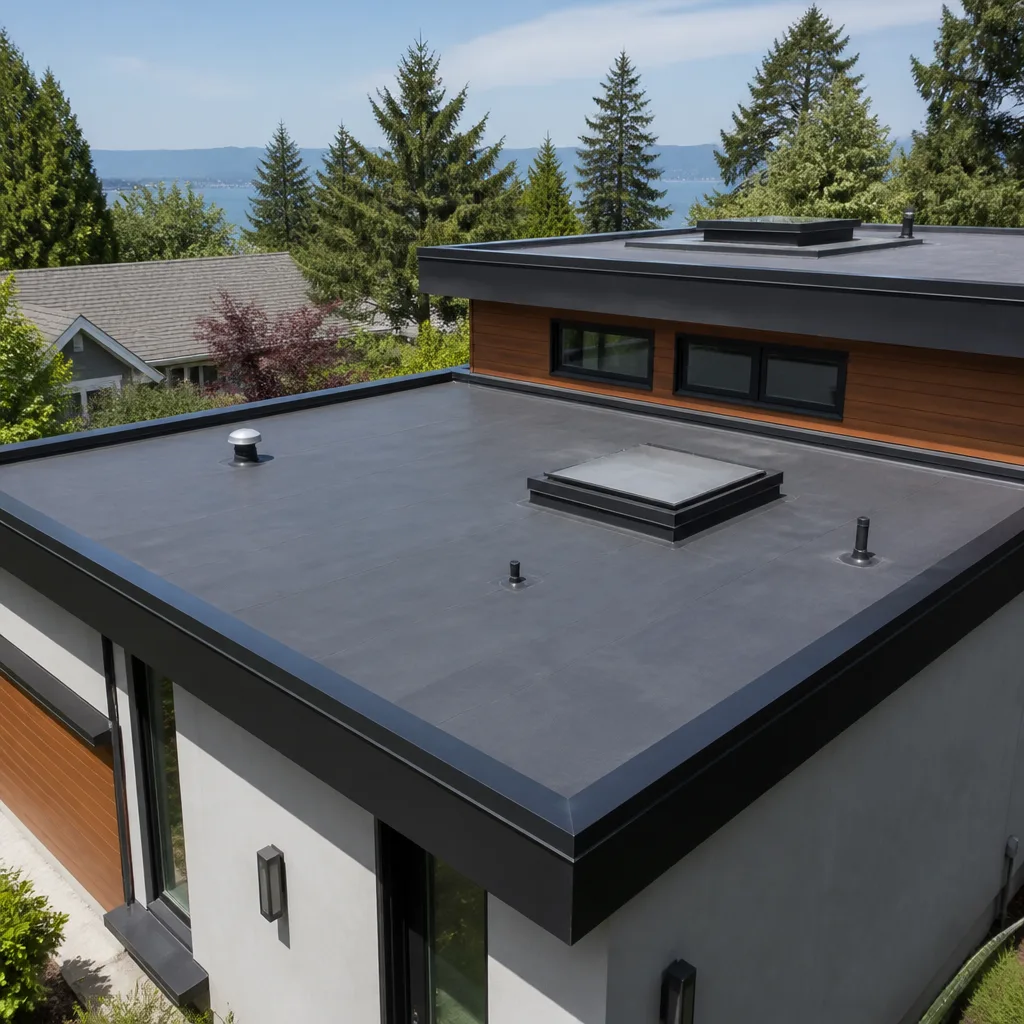 Flat & low-slope
Free roof inspection with deck photos before we talk money - GAF and Owens Corning certified installation
Fast, Reliable Roof Replacement Across Koreatown
Roof replacement in Koreatown usually means working on a 1920s duplex or small apartment building packed lot-line to lot-line, where ladder access, dumpster staging, and party-wall flashing drive the job before a single shingle comes off. A typical tear-off and re-roof on a flat or low-slope Koreatown building runs $12,000 – $28,000 depending on square footage, decking condition, and access. We know ZIP 90005 block by block, and we quote honestly: inspection first, recommendation second. Call (866) 650-8319 for a free estimate, and we’ll walk you through what your roof actually needs.
Most Koreatown roofs hide their damage until winter rain finds it. UV-baked modified-bitumen membranes, ponding water on flat sections, and failed flashing at shared lot lines are the repeat offenders we see here. Neil Drummond built Gable Roof Repair around one principle: repair when it makes sense, replace when it’s right. If you’re not sure which one applies to your building, that’s what our standalone roof inspection is for. No sales pitch attached.
Why Gable Roof Repair Is Koreatown’s Preferred Roof Replacement Company
Koreatown isn’t a suburb. The housing stock here – stucco-clad Spanish Colonial Revival duplexes, Craftsman fourplexes, and 1960s apartment blocks – demands a roofer who understands party walls, shared flashings, and tight setbacks. We’ve worked on buildings along Wilshire, Olympic, and the residential streets off Western and Normandie, and we know what those roofs look like underneath. Tar-and-gravel layers over original pitched framing. Original clay tile or wood shingle buried under later re-covers. Sheathing rot hiding behind stucco parapets.
Our Koreatown customers call us because the job gets quoted accurately and the schedule gets set before we touch the roof. When access means a 4-foot side setback and a neighbor’s written sign-off on a work window, that negotiation happens in the estimate, not mid-tear-off. We carry the material options across seven brands – including IKO, Atlas, and Tamko – so you match the right system to your building’s drainage and the HPOZ or planning review conditions your street may fall under. One company handles inspection, repair, and replacement. No handoffs.
Styles & brands we work with
New Roof Installation in Koreatown
New Roof Installation in Koreatown is a different animal from a suburban re-roof. On a 1920s lot-line duplex, the framing is often sound but the roof assembly above it has been layered over multiple times: original pitched framing, maybe clay tile or wood shingle, then one or two flat tar-and-gravel or modified-bitumen covers. Installing new here starts with understanding that stack. A full new roof installation on a Koreatown building typically runs $15,000 – $30,000, driven higher when decking replacement, shared-flashing rebuilds, and crane or ladder-only access are required. We tear back to decking, verify the framed slope, and build the new assembly correctly – not cosmetically over the old layers.
Decking and Structural Assessment
You can’t quote a Koreatown new roof honestly without knowing what the existing layers are sitting on. We pull back a test cut at the lowest slope point and at the party wall. If rot has taken the decking, that gets replaced before the new system goes down. You’ll know the line-item cost before we start, not after.
Drainage and Parapet Details
Most 1920s Koreatown buildings drain to scuppers or internal lines, and those details fail quietly. A new installation gives us the chance to rebuild the crickets, re-set the scupper boxes, and re-flash the parapet caps. Skip those, and the new membrane leaks at the same spots the old one did.
Reroofing in Koreatown
Reroofing in Koreatown usually means removing one or two failed flat layers and putting a clean, code-compliant system back over the original framing. On lot-line duplexes and small apartment buildings, a reroof in ZIP 90005 typically runs $11,000 – $22,000. The spread comes down to how many layers come off, whether the decking is intact, how much shared flashing has to be rebuilt, and whether we’re staging everything through a side setback. Most re-covers hide a problem; a proper reroof exposes it, fixes it, and gives you a warranty that means something.
Layer Removal and Substrate Prep
We don’t put a new membrane over a failed one. On Koreatown buildings with two or three existing covers, removing everything to decking lets us inspect the original framing and address rot at the party wall before it spreads. Yes, it’s more work. It’s also the only way to know what your building actually needs.
Party-Wall Flashing Rebuild
Shared walls mean shared flashings. If the neighbor’s half of the flashing is failed, your new roof won’t stop the leak on its own. We rebuild both sides when the adjacent owner signs off. That’s standard practice for us in Koreatown – and it’s why our reroofs don’t leak again at the lot line a season later.
Trusted Brands We Service in Koreatown
We work with your roof’s brand, not ours. Gable Roof Repair is certified across seven major shingle and membrane manufacturers, and when we quote a Koreatown roof we match the correct system to the building’s drainage, slope, and exposure – not the other way around. Need a durable SBS modified-bitumen for a flat duplex roof off Sixth Street? An Atlas or Tamko architectural shingle for a rare pitched Craftsman on a wider lot? IKO’s premium lines for a building where UV degradation is the main wear driver? We stock and order with fast turnaround, and our crews know each manufacturer’s install requirements and warranty terms. Seven brands, one standard of installation.
See the difference
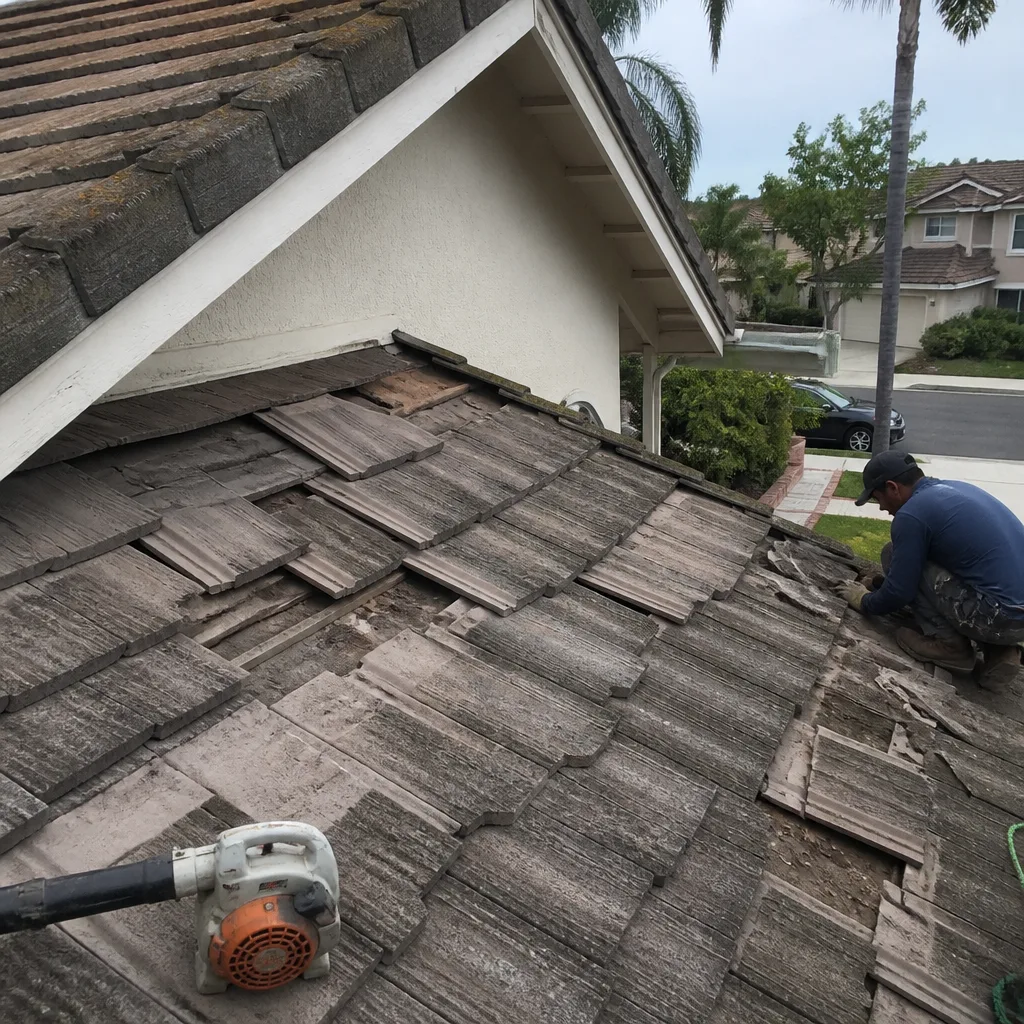 Before
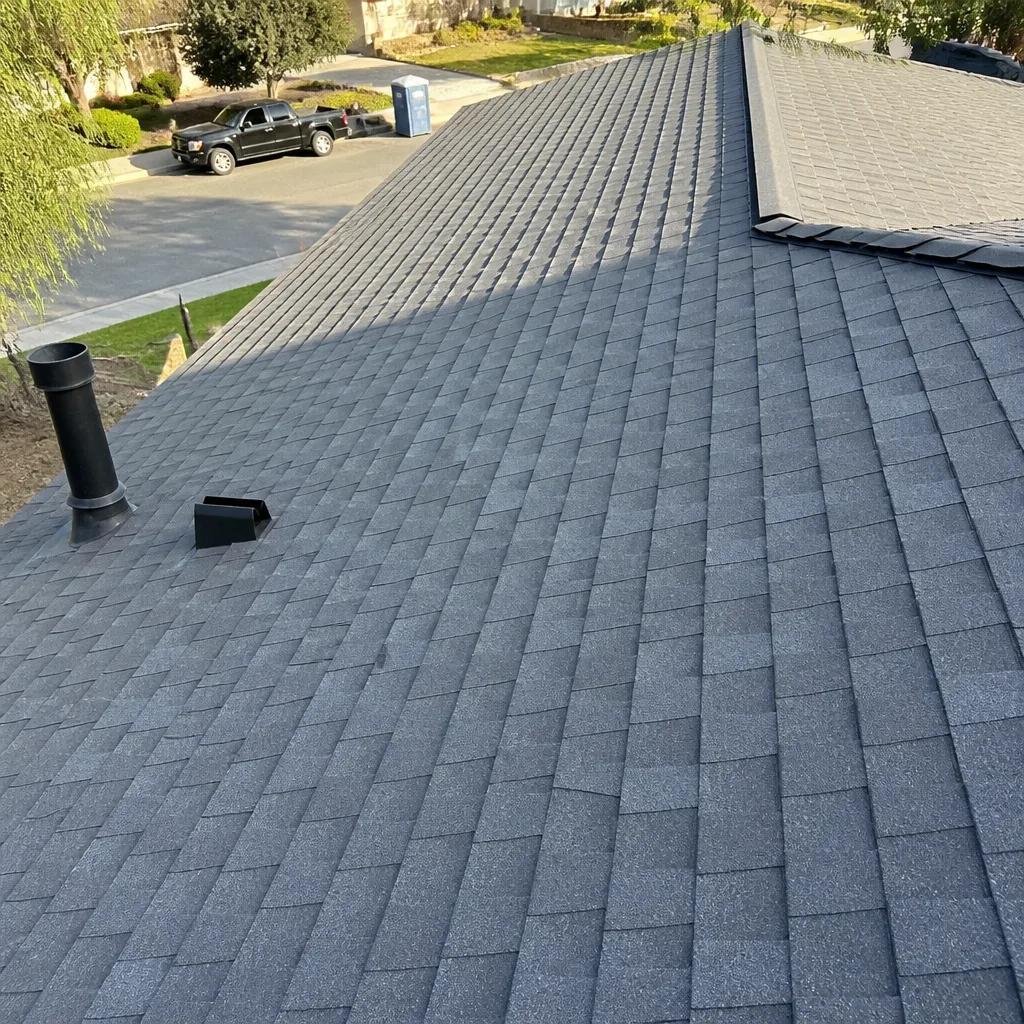 After
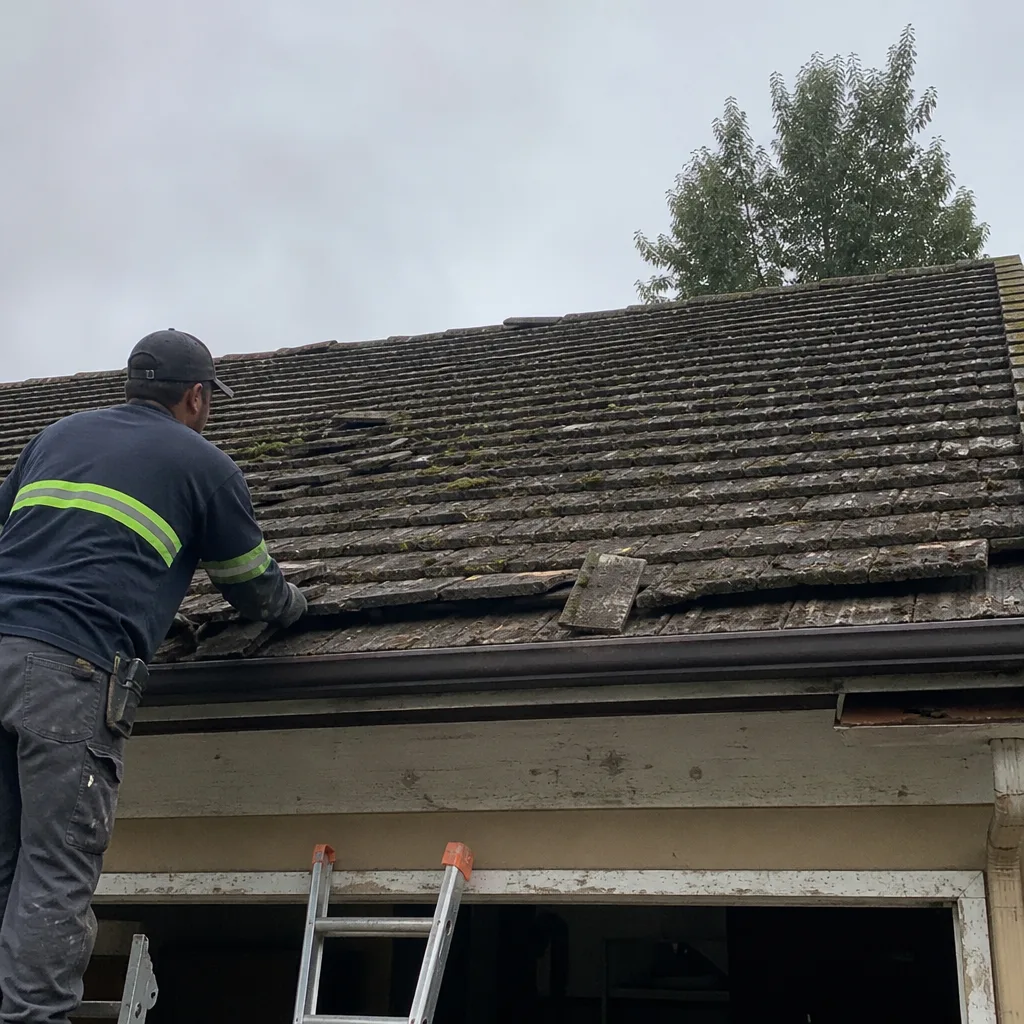 Before
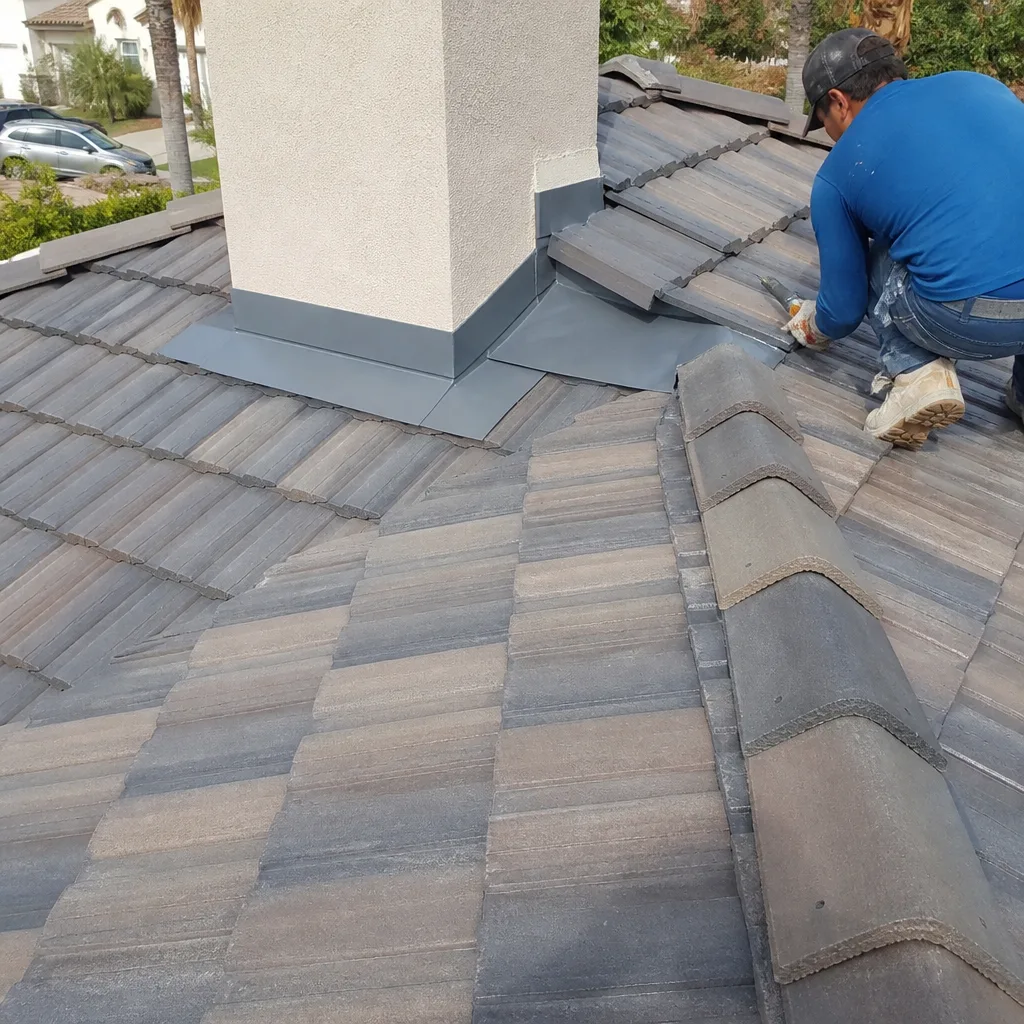 After
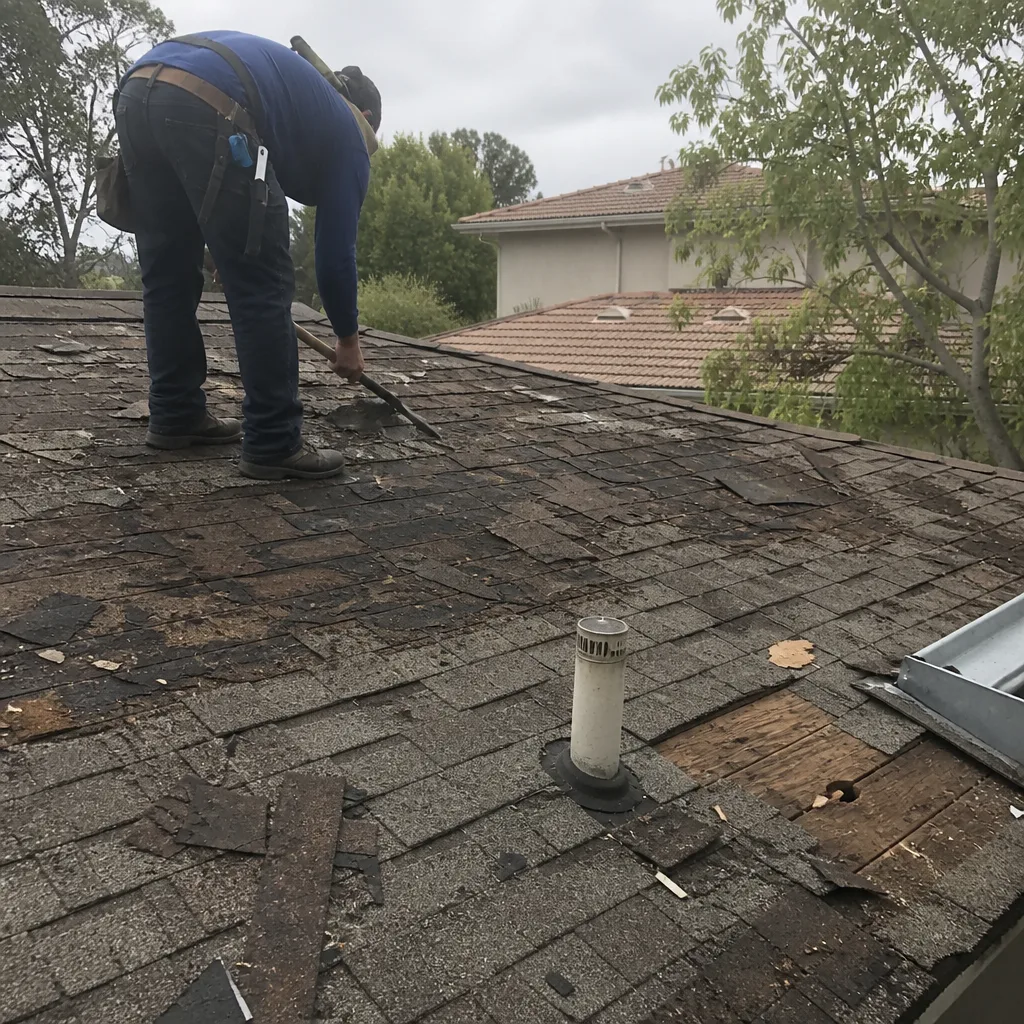 Before
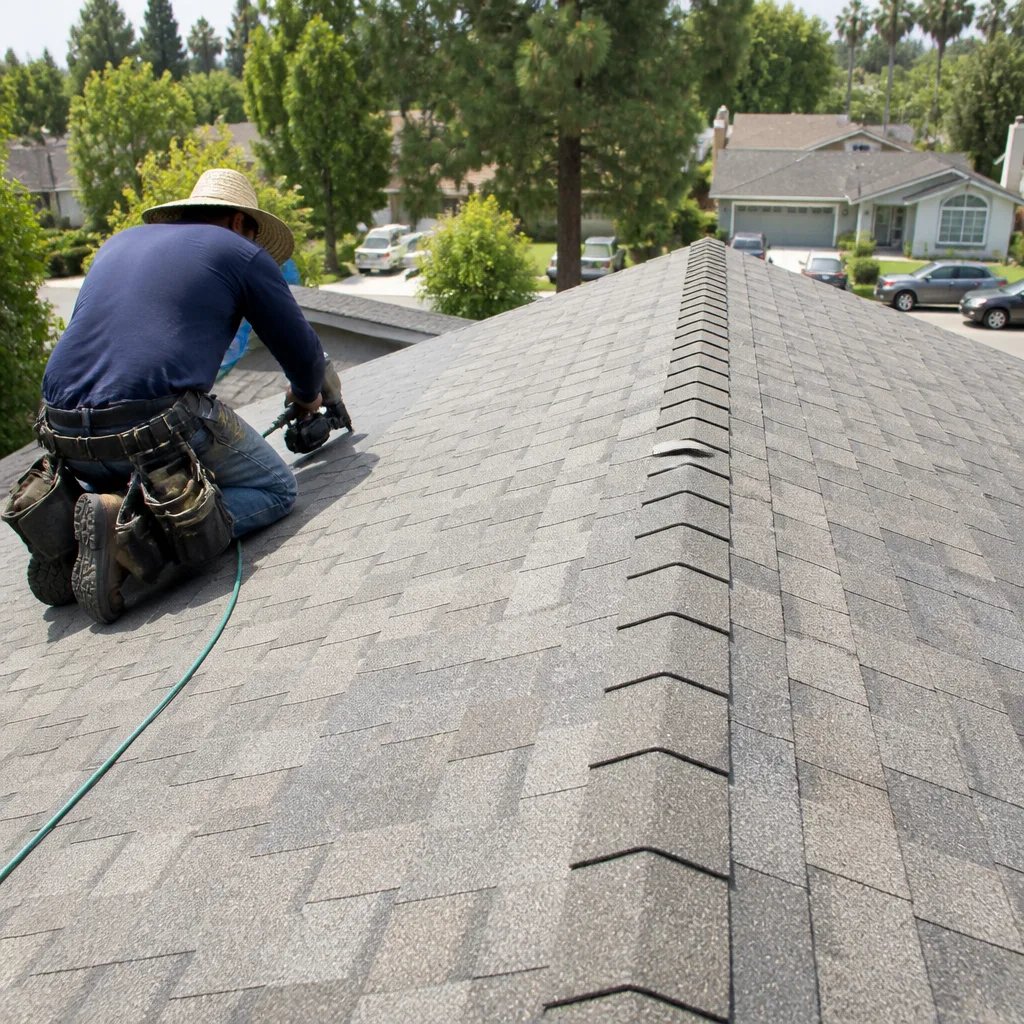 After
Common Roof Replacement Problems We See in Koreatown Homes
- Hidden pitched framing under flat re-covers: Many 1920s Koreatown buildings have original clay tile or wood shingle roofs buried under later tar-and-gravel or modified-bitumen layers. Contractors who re-cover without inspecting the framing leave rot in place, and you find it mid-job when there’s no room to stage a dumpster.
- One-sided party-wall flashing repairs: A shared wall means the flashing crosses a property line. Replacing only your side leaves the neighbor’s half failed. The leak returns at the lot line within a season, and you’re paying twice.
- Skipped drip edge and fascia tie-ins on tight lots: When ladder access squeezes through a 4-foot setback and parking is blocked, crews sometimes rush the edges. Exposed drip edge and soffit transitions fail in the first winter rain that Koreatown’s flat roofs hide all summer.
- Ponding water on flat and low-slope sections: UV degradation and subtle settlement create low spots that hold water after rain. Without a tapered system or rebuilt crickets, that ponding eats the membrane from the top down. We address drainage in the quote, not after the leak.
On a 1920s Spanish Colonial duplex off Sixth Street in ZIP 90005, our crew found the original pitched framing buried under two later flat tar-and-gravel layers, with the party-wall flashing shared against the neighbor’s roof. We pulled the added layers back to decking, replaced rotted sheathing at the party wall, and rebuilt the shared flashing with ice and water shield before capping it – all with ladder access through a 4-foot side setback and a neighbor’s written sign-off on the work window. The homeowner got a low-slope membrane over sound framing instead of another cosmetic patch, and the adjacent owner stopped getting leaks along the shared line.
Pricing for Roof Replacement in Koreatown, CA
Koreatown’s market is shaped by density and access. A straightforward modified-bitumen or TPO re-roof on a small duplex flat section runs $11,000 – $18,000. A full tear-off with decking replacement, shared-flashing rebuilds, and ladder-only access lands $18,000 – $28,000. Add a new roof on original pitched framing with architectural shingles, and you’re looking at $15,000 – $30,000 on most 90005 buildings. Every quote we write is line-itemed: materials, tear-off, decking, flashing, dumpster, and access. You see the numbers before you sign. Call (866) 650-8319 for a free estimate, and we’ll walk your roof with you. Fixed pricing, no change orders.
- Flat/low-slope re-roof (small duplex): $11,000 – $18,000
- Full tear-off with decking and party-wall flashing: $18,000 – $28,000
- New roof over original pitched framing (architectural shingles): $15,000 – $30,000
We Also Serve Cities Near Koreatown
Our crews work across the central Los Angeles basin daily. If you’re in Roof Replacement territory that touches Koreatown, we also cover Los Angeles, Echo Park, Silver Lake, and Hollywood. Same inspection-first approach, same line-itemed quotes. Koreatown is home base for our densest, tightest access work, and we schedule across all five areas weekly.
Serving Koreatown, CA — Our Local Coverage Area
We’re based in the Koreatown area and know this community well. Use the map below to see our service coverage — if you’re nearby, we can almost certainly help.
FAQs About Roof Replacement in Koreatown
Access is a line item in Koreatown. If we’re bringing materials through a 4-foot side setback with ladder-only roof access, no parking for a dumpster, and a neighbor-negotiated work window, that’s reflected in the labor and staging lines of your estimate. A building with alley or driveway access quotes lower than a lot-line duplex where every bundle goes up by hand. Call (866) 650-8319 and we’ll tell you which category your building falls into.
Shared flashing is a shared responsibility, and we handle both sides when the adjacent owner signs off. If they won’t, we rebuild your side with a termination detail that can be tied into later, but the correct fix is coordinated. Most Koreatown neighbors approve once they understand their half is leaking too. We’ve done more party-wall flashing rebuilds in 90005 than any other detail.
We could, but we won’t recommend it. Re-covering hides the condition of the original framing and the existing membrane’s failure points. On a 1920s Koreatown building, that usually means rot at the decking and failed party-wall flashing left in place. The correct scope is tear-off to decking, inspect, replace what’s rotted, rebuild the flashings, and install a new system. It costs more up front and lasts decades longer. Get a standalone inspection if you’re not sure the re-cover has already failed.
Yes. Koreatown falls under Los Angeles city noise ordinances limiting construction activity to permitted daytime hours, and dense residential blocks mean we schedule tear-off and compressor work around those windows. On buildings close to apartments, we coordinate start times with tenants when the owner gives us contact info. Your quote includes a work window that fits the rules, not a promise we can’t keep.
Put them side by side by line item: tear-off layers, decking replacement, flashing rebuilds, membrane or shingle type, dumpster access, and warranty term. A cheap bid usually omits the party-wall flashing, skips decking replacement, or quotes a re-cover over a failed roof. Ask each bidder what they found on the test cut and what they’ll do if rot shows up. Then call us at (866) 650-8319 – our quotes hold because they’re written from the roof, not the street.
Written by Neil Drummond, Owner at Gable Roof Repair, serving Koreatown and the surrounding areas of Los Angeles, Echo Park, Silver Lake, and Hollywood.