Last updated October 30, 2026
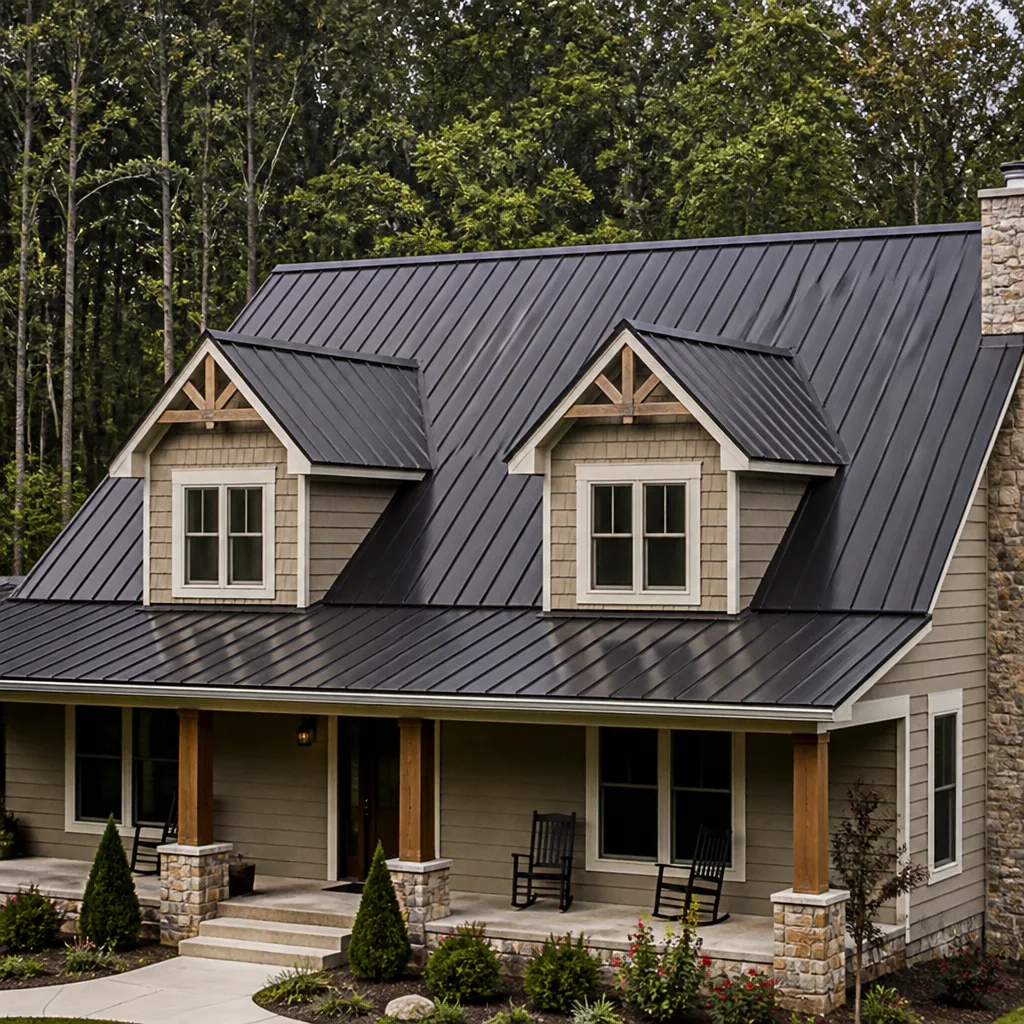 Metal roofing
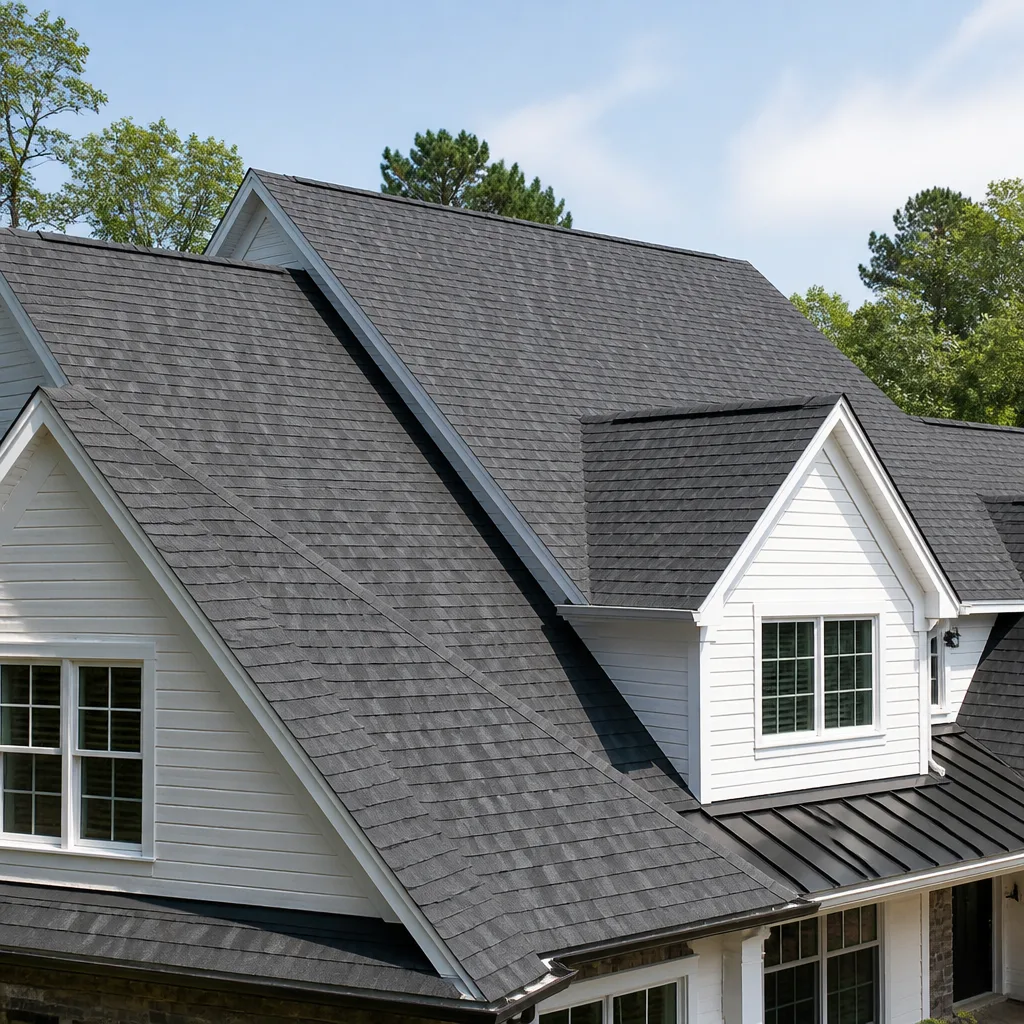 Architectural shingles
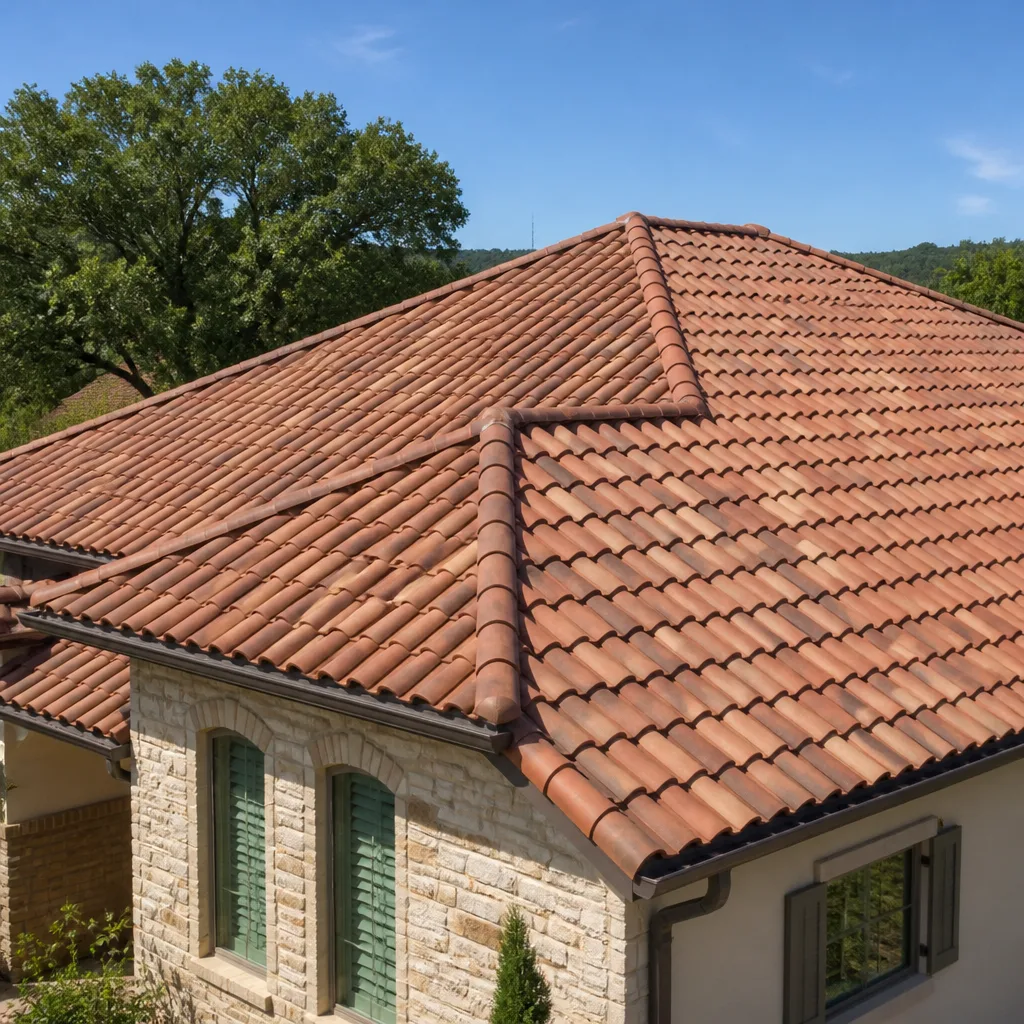 Tile roofing
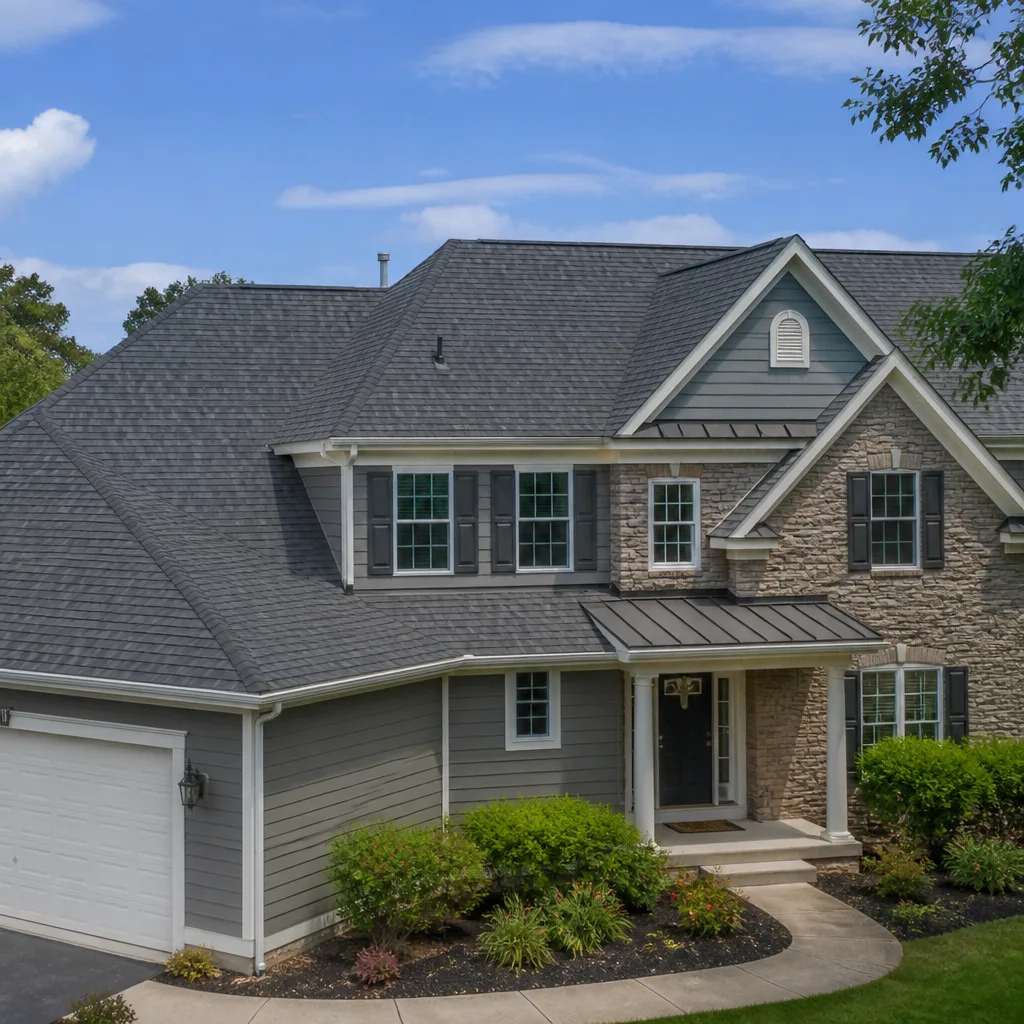 GAF
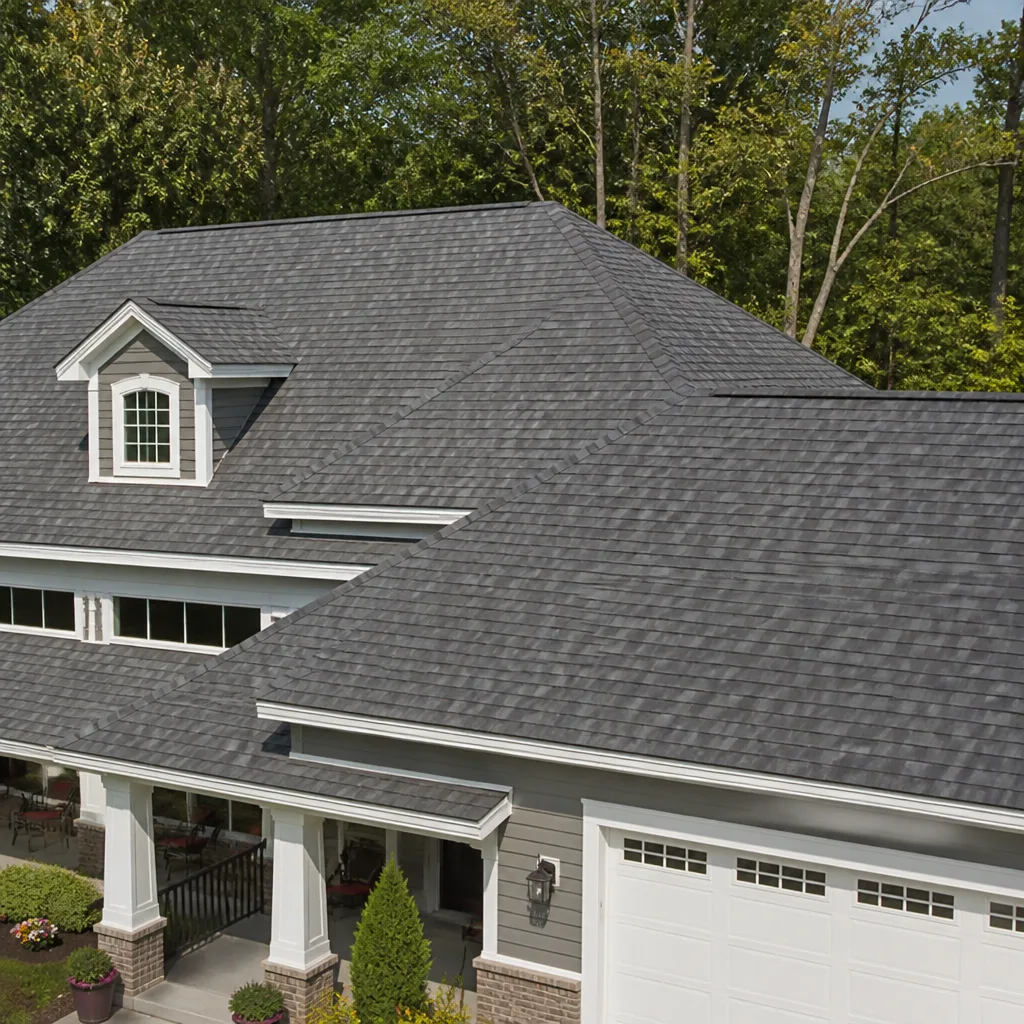 Owens Corning
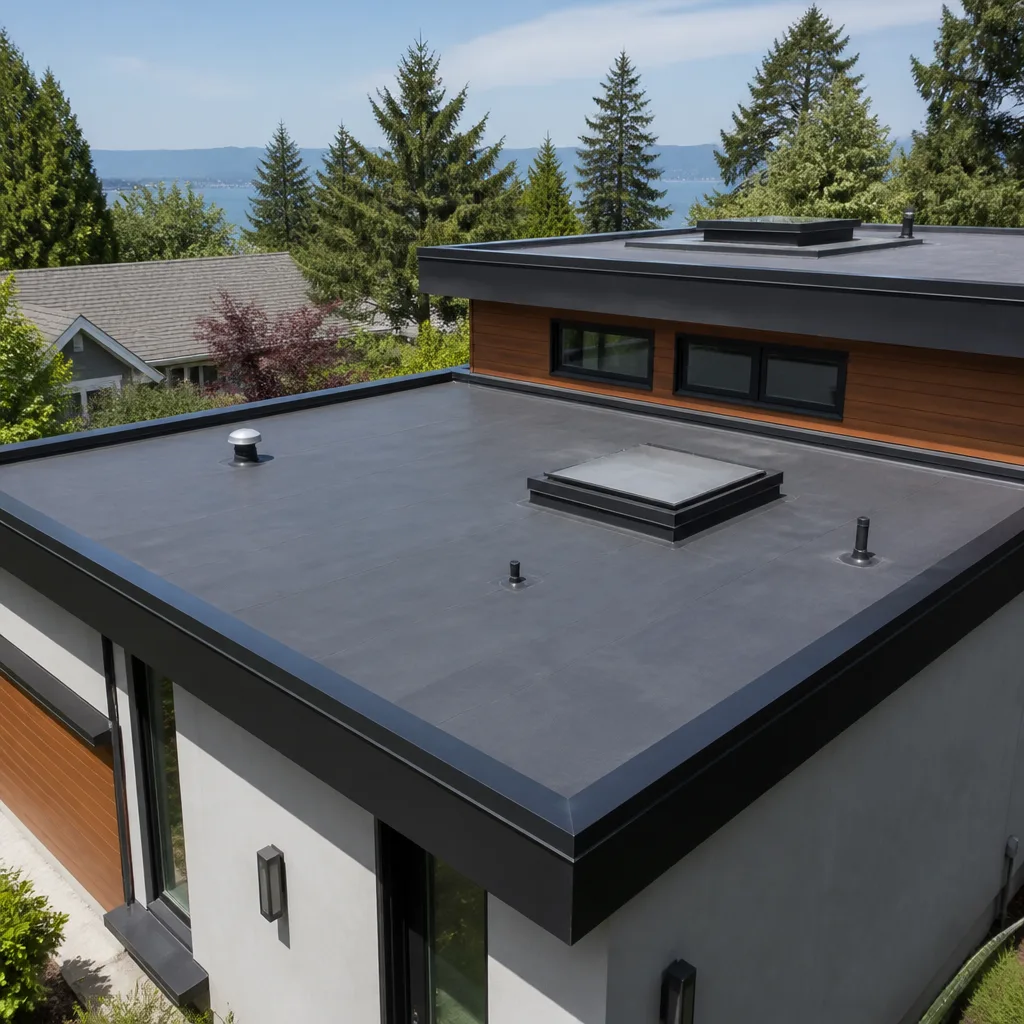 Flat & low-slope
Free roof inspection with deck photos before we talk money - GAF and Owens Corning certified installation
Choosing the Right Roofing Brand: A Buyer’s Guide for Irvine
Most homeowners choose a shingle brand based on name recognition or whatever the contractor happens to stock first. That approach costs Irvine residents real money. In this city, where south-facing roof planes absorb UV radiation at nearly twice the annual rate of north-facing ones, the same manufacturer’s shingle performs very differently depending on pitch, orientation, and the specific product line you select. This guide—along with The Complete Guide to Roofing in Irvine—breaks down what actually matters when choosing a roofing brand in Irvine: algae resistance, wind ratings, solar reflectance, warranty structure, and HOA compliance. You’ll learn how to evaluate brands on measurable performance data instead of marketing reputation, and how to spot when a contractor is steering you toward inventory rather than specification.
Quick Answer
The best roofing brand for an Irvine home depends on three measurable factors: the Cool Roof Rating Council (CRRC) solar reflectance value of the specific shingle line, the wind warranty class your roof pitch requires, and whether your HOA’s approved materials list restricts color or profile. GAF, CertainTeed, and Owens Corning all manufacture product lines that perform well in Irvine’s climate, but the specific product tier matters more than the brand name on the wrapper. A brand-agnostic assessment of your roof’s pitch, orientation, and HOA requirements will produce a better material match than defaulting to whichever brand a single-line contractor recommends.
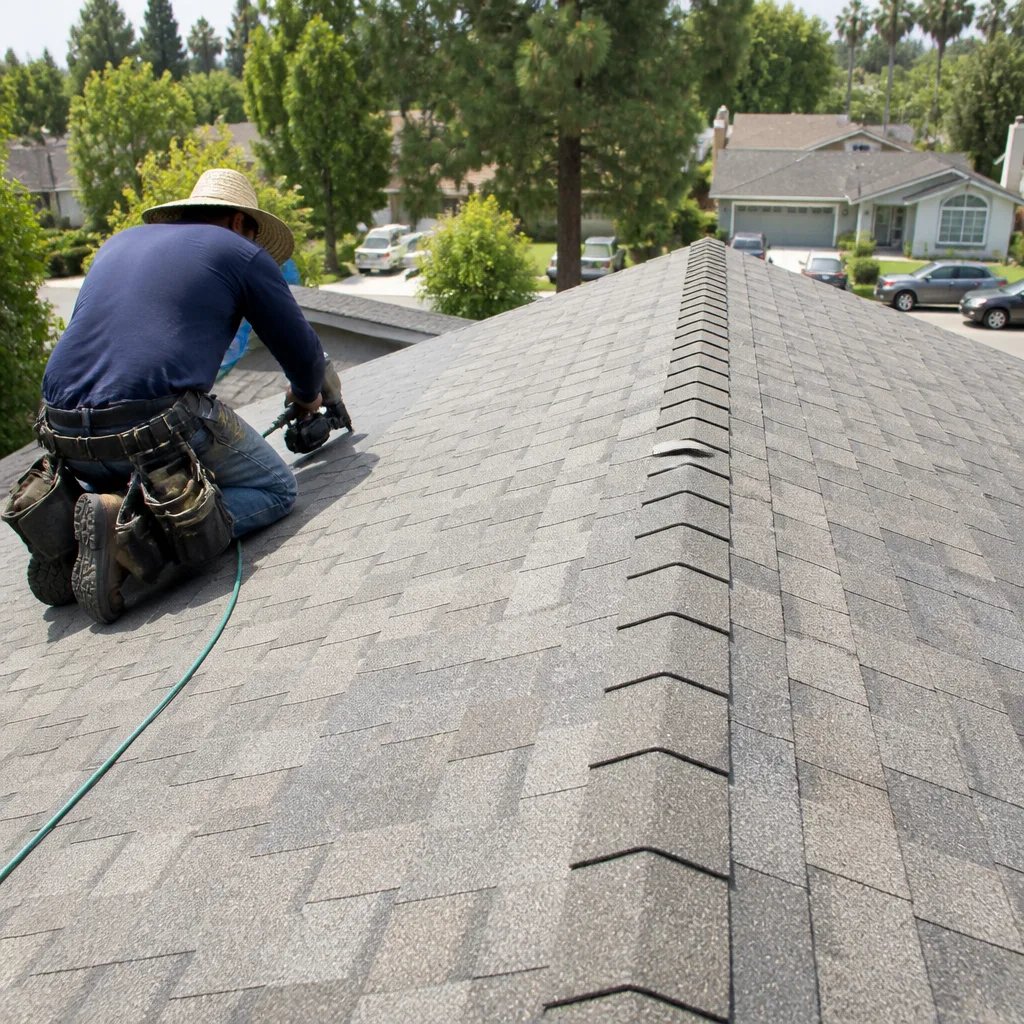
Styles & brands we work with
Table of Contents
- Why Irvine’s Climate Changes the Brand Conversation
- The Three Metrics That Actually Matter in Southern California
- How the Major Brands Compare on Irvine-Specific Performance
- Matching Shingle Tier to Roof Pitch and Orientation
- What Irvine HOAs Actually Restrict and Which Brands Comply
- Manufacturer Warranties: What the Fine Print Actually Gives You
- Why Brand-Agnostic Contractors Make Better Material Choices
- Common Mistakes to Avoid
- When to Call a Professional
- Frequently Asked Questions
Why Irvine’s Climate Changes the Brand Conversation
Irvine sits in a semi-arid Mediterranean climate zone that treats roofing materials differently than most of the country. We get roughly 280 days of sun per year, with summer roof surface temperatures regularly exceeding 160 degrees Fahrenheit on south-facing and west-facing planes. The ultraviolet exposure is relentless. A shingle that performs adequately in Oregon or Ohio will age visibly faster here if it lacks adequate UV stabilizers in its asphalt formulation and granule coating.
What most national roofing guides miss is that Irvine’s climate stress is uneven across a single roof. A home in Woodbridge with a south-facing primary slope will show granule loss and asphalt oxidation on that plane years before the north-facing side shows any wear at all. The same is true in Turtle Rock, University Park, and Northwood. We’ve inspected Irvine roofs where one side needed replacement while the other tested at 70% of its remaining service life. This asymmetry means brand selection should consider orientation-specific performance, not just the manufacturer’s general reputation.
The second Irvine-specific factor is the marine layer. Coastal influence pushes inland through the San Diego Creek corridor and across the flats, creating morning fog and condensation cycles that accelerate algae growth on north-facing and tree-shaded roof sections. Algae appears as dark streaking, and while it’s often dismissed as cosmetic, the organism’s root structure degrades granule adhesion over time. Some manufacturer product lines treat their granules with copper or zinc compounds specifically to resist this. Others do not, or do so only on their premium tiers.
A third factor is wind. Irvine is not a hurricane zone, but the Santa Ana events that push through in September and October create sustained gusts of 40 to 60 mph through the canyons and across the flatlands. Shingles with a 110 mph wind rating versus a 130 mph rating may both technically meet code, but the failure modes during a Santa Ana differ by product line. Raised nail strips, sealant patterns, and nailing zone width all contribute to real-world blow-off resistance.
The Three Metrics That Actually Matter in Southern California
When we evaluate roofing brands for Irvine homes, we look at three numbers first: the Solar Reflectance Index (SRI) of the specific shingle color and line, the ASTM wind warranty class of that product, and the algae-resistance treatment used on the granule surface. These three metrics tell you more about how a roof will perform over 20 years in Irvine than any brand slogan on a contractor’s truck.
Solar Reflectance Index (SRI): This measures a roof surface’s ability to reject solar heat. The scale runs from 0 (standard black) to 100 (a clean white membrane). On asphalt shingles, SRI typically ranges from 15 to 35 depending on color and granule composition. In Irvine, moving from an SRI of 15 to an SRI of 25 can reduce peak attic temperatures by 15 to 20 degrees Fahrenheit. That reduces cooling load, extends the life of the asphalt itself (heat is the primary oxidizer of the bitumen), and lowers the thermal cycling stress that causes shingle cupping and cracking. The CRRC maintains a searchable database of tested values by manufacturer, product line, and color. Any brand you consider should have published CRRC data for the specific color you want, not just the product line in general. CertainTeed’s Landmark Solaris and Owens Corning’s Duration COOL lines are engineered specifically for higher reflectance. GAF’s Timberline HDZ offers a range of SRI values depending on color, with their lighter granule blends hitting meaningful numbers.
Wind Warranty Class: ASTM D7158 classifies shingles by wind resistance: Class D (90 mph), Class F (110 mph), Class G (120 mph), and Class H (150 mph). Most laminate architectural shingles carry at least a Class F rating, but the enhanced sealant patterns and wider nailing zones on Class H products reduce the chance of a Santa Ana event peeling a section of roof. The upgrade cost for Class H rated product (like GAF’s Timberline HDZ or CertainTeed’s Landmark series with Integrity sealing) is modest relative to a full roof replacement, and in Irvine’s wind corridor neighborhoods the extra rating is real insurance.
Algae-Resistance Treatment: The blue-green algae Gloeocapsa magma has spread across Southern California over the last two decades, moving from coastal environments inland. Almost every Irvine neighborhood with mature tree canopy now shows algae streaking on shaded roof planes. Manufacturers address this differently. Some, like Owens Corning, integrate copper granules into the shingle surface. Others, like GAF and CertainTeed, use proprietary granule coatings. What matters is whether the product line includes the protection as standard or as an upgrade, and whether the warranty covers algae staining as a covered aesthetic defect. Check the specific warranty language, because cheap 3-tab shingles typically lack algae protection entirely.
How the Major Brands Compare on Irvine-Specific Performance
Here’s a functional comparison of the three brands we work with most frequently in Irvine, evaluated specifically on the metrics above for a typical Southern California asphalt shingle roof. The comparisons assume comparable architectural laminate products, not the entry-level 3-tab lines.
GAF Timberline HDZ / Timberline CS
- SRI performance: Timberline HDZ in lighter colors like Weathered Wood and Shakewood posts mid-range CRRC values typical of standard architectural laminate. The Timberline CS line is specifically engineered for higher total solar reflectance and includes colors that perform meaningfully better on south-facing Irvine slopes.
- Wind rating: Timberline HDZ carries an ASTM Class H (150 mph) rating due to GAF’s LayerLock nailing strip and Dura Grip adhesive. That’s relevant in Irvine’s windier corridors.
- Algae resistance: StainGuard Plus protection is standard on HDZ and CS lines, using time-release copper microsite technology.
- We see this line on: A broad range of Irvine homes, especially in the newer villages where HOAs have approved GAF color families.
CertainTeed Landmark / Landmark Solaris
- SRI performance: The Landmark Solaris line is one of the strongest asphalt shingle options for reflectance, with tested SRI values reaching the mid-30s in lighter colors. This matters on south-facing unshaded roof planes in neighborhoods like Portola Springs and Orchard Hills where summer attic heat is a real issue.
- Wind rating: Landmark and Landmark Solaris both test to Class F (110 mph) or Class H (150 mph) depending on application specifications and the specific product. The determining factor is installation: CertainTeed’s high-wind applications require a specific nailing pattern and sealant details.
- Algae resistance: StreakFighter granules on the Landmark line provide algae protection. Solaris includes the same treatment on its reflective granule surface.
- We see this line on: Irvine homes with HOA color restrictions that skew toward earthy tones, where CertainTeed’s palette options are broad.
Owens Corning Duration / Duration COOL
- SRI performance: Duration COOL shingles are formulated with reflective granules that meet Title 24 cool roof requirements in qualifying colors. For Irvine homes on the flatlands where attic temperatures spike in August, these shingles reduce roof surface temperature meaningfully.
- Wind rating: Duration carries a Class H (150 mph) rating when installed with Owens Corning’s SureNail strip and recommended nailing pattern.
- Algae resistance: StreakGuard protection is standard on Duration products, using copper-impregnated granules.
- We see this line on: Irvine homes where energy efficiency is a stated priority, particularly on single-story ranch layouts common in El Camino Real and Walnut.
We also work with IKO, Atlas, Tamko, and Boral. IKO’s Dynasty line and Atlas’s Pinnacle line both offer solid Class F and H rated architectural laminates, and Boral’s steel and composite product lines serve Irvine homeowners who want to move beyond asphalt entirely, often due to specific HOA requirements or wildfire-safety considerations.
The point of this comparison is not that one brand is universally better. The point is that within each brand, the product line and specific color choice determine real-world performance in Irvine’s climate. A single-brand contractor can only compare within their own inventory. That’s where the recommendation gets biased, as our DIY vs Professional Roofing: The Irvine Homeowner’s Decision Guide also explores.
Matching Shingle Tier to Roof Pitch and Orientation
Roof pitch changes everything about how a shingle performs. On steep pitches (6:12 and above), water sheds quickly, and the primary stressors are wind uplift and UV exposure. On low-slope sections (3:12 and below), water moves slowly, and any defect in the sealant strip or nailing pattern creates a leak risk far sooner. Irvine has a mix of both: the ranch-style homes in El Camino Real and the older sections of Westpark often have shallow pitches, while the two-story homes in newer villages like Stonegate and Cypress Village feature steeper rooflines with some low-slope transitions over entries and breezeways.
This is why high-wind-rated product matters more on low-slope sections than on steep ones. A low-slope roof plane sees less direct wind pressure but is more vulnerable to any shingle that lifts, because water ponds and capillary action draws moisture under the shingle faster than on a steep plane. The Class H rated lines from GAF, Owens Corning, and CertainTeed earn their cost premium on the low-slope parts of your roof. On a steep plane, the sealant bond is less critical because gravity does most of the work, and a Class F product is generally sufficient if installed correctly.
Orientation dictates the reflectance priority. A south-facing or west-facing plane in Irvine should get the highest SRI product you can find that your HOA will approve. That typically means a lighter-color architectural laminate from a COOL or Solaris line. The north-facing plane, which gets less direct sun but more algae pressure, can safely use a standard architectural laminate in a color that matches, since reflectance matters less where sun exposure is minimal. An honest brand-agnostic assessment will often specify different products for different planes of the same Irvine roof. A single-brand contractor quoting one product for the whole roof is either unaware of the difference or optimizing for their own inventory.
What Irvine HOAs Actually Restrict and Which Brands Comply
Irvine’s village associations, and the sub-associations within them, maintain approved materials lists that govern what goes on your roof. The restrictions vary by village. Woodbridge, University Park, and Turtle Rock have different standards than Portola Springs, Great Park, or Orchard Hills. What’s consistent is that the restrictions are specific: they define color ranges (usually earth tones, grays, and specific brown families), material type (asphalt composition, tile, or specific alternatives), and in some cases shingle profile or dimensional appearance.
The manufacturers that make HOA compliance easiest in Irvine are those with the widest color availability within the earth-tone and gray families. CertainTeed’s Landmark line offers an unusually broad palette: Driftwood, Georgetown Gray, Heather Blend, Moire Black, and Weathered Wood are all colors we’ve seen approved across multiple Irvine villages. GAF’s Timberline line has strong coverage in the gray and brown families: Charcoal, Barkwood, and Shakewood are common approvals. Owens Corning’s Duration palette is slightly narrower on the warm earth tones but solid on grays. If your HOA approves “brown tones only” or “weathered wood appearance only,” the brand decision may be made for you by the intersection of your association’s list and which manufacturer offers a color that matches.
Before you fall in love with a brand, request your sub-association’s current approved materials list. Don’t rely on a contractor to do it for you. Some Irvine HOAs also restrict dimensional shingle thickness, meaning a premium “ultra-dimensional” profile may not pass architectural review even if the color is compliant. We’ve seen this in Woodbridge specifically, where the architecture committee is conservative about profile changes visible from the street. If the brand you want does not offer a compliant color or profile, no performance spec matters because the roof won’t get approved.
Manufacturer Warranties: What the Fine Print Actually Gives You
Every asphalt shingle manufacturer offers a “limited lifetime warranty” on their architectural laminate lines. That phrase sounds better than it is. The coverage is prorated after a certain period, typically 10 years, and it covers manufacturing defects in the shingle itself, not installation errors, not storm damage, not normal wear. If a shingle fails at year 15 due to a manufacturing defect, the payout is a small fraction of the replacement cost based on a depreciation schedule. This is true across all major brands.
What matters more is the enhanced warranty packages, and these are only available through certified contractors. GAF offers the System Plus warranty and the Golden Pledge warranty, which extend workmanship coverage and add features like tear-off coverage and labor coverage for a defined period. CertainTeed offers SureStart Plus and SureStart Plus 5-Star, which extend the non-prorated period and add labor coverage. Owens Corning’s TotalProtection System functions similarly. The key detail most homeowners don’t understand is that these enhanced warranties are not provided by the manufacturer directly to the homeowner; they are only available when a manufacturer-certified contractor installs the full system per the manufacturer’s specification.
Certification level matters. A basic “factory-trained” credential is not the same as GAF Master Elite, CertainTeed Master Shingle Applicator, or Owens Corning Preferred Contractor status. The enhanced warranty tiers require specific certifications. If a contractor claims they can offer the enhanced warranty, ask to see their current certification status from the relevant manufacturer. These certifications expire and require renewal. The warranty documents themselves are the proof, not a logo on a business card.
One thing to note about warranties in Irvine specifically: manufacturer warranties cover materials and sometimes installation, but they do not cover HOA compliance disputes. If your architectural committee rejects the color or profile after installation, that’s a separate problem entirely, and no manufacturer warranty covers it. This is another reason the HOA approval step belongs before product purchase, not after.
Why Brand-Agnostic Contractors Make Better Material Choices
A contractor who is certified with one manufacturer has a financial incentive to recommend that manufacturer’s product, whether or not it’s the best fit for your specific roof. That incentive is real: certification programs often come with volume rebates, extended warranty authority, and marketing support. None of that is corrupt, but it does bias the recommendation.
A brand-agnostic contractor works from specification first. We start with the roof’s pitch, orientation, existing deck condition, ventilation configuration, and HOA requirements, then match the product to the conditions. Sometimes that means a CertainTeed Solaris on a south-facing plane paired with a standard Landmark on the north plane. Sometimes it means an Owens Corning Duration COOL system across the whole roof because the home’s attic ventilation is undersized. Sometimes it means GAF Timberline HDZ because the wind exposure in the yard is high and the Class H rating matters. The brand follows the conditions, not the other way around.
Here are the specific questions to ask any contractor before you accept their brand recommendation:
- “What are the CRRC-tested SRI values for the specific color and product line you’re proposing?” If they can’t produce the numbers, they haven’t evaluated thermal performance.
- “What ASTM wind classification does this product carry, and is it a Class F or Class H?” If they don’t know, they’re not sourcing by specification.
- “Does this product line include algae-resistance treatment as standard, and does the warranty cover algae staining?” Many entry-level lines lack it entirely.
- “Which manufacturers are you certified with, and can you show me the current certification documents?” A single-brand contractor will name one. That’s your signal.
- “Have you checked my HOA’s approved materials list, and does this specific color and profile comply?” If they haven’t pulled the list, they’re assuming.
- “Would you install a different product on my south-facing plane than on my north-facing plane if the conditions warranted it?” A brand-agnostic contractor will say yes. A single-brand contractor will find reasons why it’s unnecessary.
Our approach at Gable Roof Repair home is to work with your roof’s brand, not ours. We’re certified to install GAF, CertainTeed, Owens Corning, IKO, Atlas, Tamko, and Boral. That’s seven manufacturers. It means when we recommend a product, the recommendation is born from what your roof actually needs, not from what’s in our warehouse or what maximizes our rebate structure.
Common Mistakes to Avoid
- Choosing brand before evaluating the specific product line. “GAF” or “CertainTeed” is not a shingle. Each manufacturer makes entry-level, mid-range, and premium lines with different specs. The brand on the wrapper tells you nothing about the SRI value or wind rating of the specific shingle being installed.
- Ignoring orientation-specific performance. In Irvine, a south-facing plane needs different reflectance characteristics than a north-facing plane. Painting the whole roof with one product and one color often means one plane is under-specified for the conditions it faces.
- Skipping the HOA check. We’ve seen homeowners fall in love with a shingle color, sign a contract, and then have the architectural committee reject the selection. The HOA list is non-negotiable. Get it first.
- Overpaying for wind rating on a steep roof. Class H rated shingles cost more. On a 7:12 pitch with good nailing, a Class F product is generally sufficient. The premium matters on low-slope sections and exposed ridgelines, not uniformly across the whole roof.
- Assuming “limited lifetime warranty” covers everything. It covers manufacturing defects on a prorated basis. Installation errors, storm damage, and normal wear are excluded. The enhanced warranties are the real coverage, and they require certified installers.
- Trusting a single-brand recommendation without question. If the contractor only installs one manufacturer’s product, ask why. The answer will either be honest and specific, or it will be a sales pitch.
- Not checking the CRRC database for the specific color. The same product line in two different colors can have very different SRI values. The dark color that looks great from the street may be turning your attic into an oven.
When to Call a Professional
If you’re seeing granule loss in your gutters, algae streaking on one plane of your roof, or attic temperatures that spike despite adequate insulation, the brand decision is best made with a full inspection of your existing roof’s condition and geometry. An Roof Inspection in Stanton-style assessment, which we offer for Irvine homeowners as a standalone service, provides the data needed to make a product selection that fits your actual roof rather than a guess. If a full replacement is warranted, our team at Roof Replacement in Stanton applies the same brand-agnostic approach to Irvine homes. If the issue is localized damage, Roof Repair in Stanton typically addresses it without a full reroof. Gable Roof Repair offers free estimates in Irvine. Call (866) 650-8319 to schedule an inspection and get a written, line-item recommendation based on your roof’s actual conditions.
Frequently Asked Questions
A full architectural shingle roof replacement in Irvine typically ranges from $11,000 to $22,000 depending on roof size, pitch, tear-off requirements, and the product line selected. Premium COOL-class shingles add roughly 10-15% over standard architectural laminate. For more guides & resources or an exact quote based on your roof’s measurements, call (866) 650-8319; estimates are free.
The best brand depends on your roof’s pitch, orientation, and HOA restrictions, but GAF, CertainTeed, and Owens Corning all manufacture product lines with the SRI values, wind ratings, and algae resistance appropriate for Irvine’s conditions. The specific product tier and color matter more than the brand name. A brand-agnostic contractor will match product to conditions rather than inventory.
Yes, in many cases a single plane can be replaced if the other planes are in serviceable condition. We regularly replace south-facing planes on Irvine homes where the north-facing side still has years of life left. The challenge is color matching, so bring the manufacturer’s color code and production lot if possible. A full Gable Roof Repair home inspection will tell you whether partial replacement makes sense.
No. Irvine’s village associations and sub-associations maintain approved materials lists that restrict color family, material type, and sometimes shingle profile. Request your association’s current list before selecting a product. CertainTeed, GAF, and Owens Corning all offer colors that appear frequently on Irvine HOA approved lists, but the specific color must match your association’s requirements.
A properly installed architectural laminate shingle roof in Irvine typically lasts 18 to 25 years, though south-facing and west-facing planes may lose service life faster due to UV and heat exposure. Entry-level 3-tab shingles generally last 12 to 18 years here. Proper attic ventilation extends service life meaningfully by reducing deck and shingle temperatures.
No, but a COOL-class reflective shingle reduces attic temperatures by 15 to 20 degrees on south-facing planes, lowering cooling costs and extending shingle service life. The Title 24 building code requires cool roof materials on new construction and major remodels in many California climate zones, including Irvine. For an existing roof, the choice is a performance upgrade, not a legal requirement.
The Bottom Line
The roofing brand decision in Irvine should start with three variables: algae resistance, wind rating, and Cool Roof Rating Council certification. The right product depends on your roof’s pitch, orientation, and HOA requirements, not on marketing reputation or whichever brand your contractor happens to stock. A south-facing plane benefits from a high-SRI product; a low-slope section benefits from a Class H wind rating; every plane on an Irvine roof benefits from standard algae-resistance treatment. Work with a contractor who can compare across manufacturers and match product to conditions. Gable Roof Repair works with seven major brands and offers inspection, repair, and replacement under one roof. See our The Complete Roof Repair Guide for Irvine Homeowners for additional details. Call (866) 650-8319 to schedule your free estimate and get a brand-agnostic recommendation based on your roof’s actual conditions.
Written by the team at Gable Roof Repair, serving Irvine since 2016.
See the difference
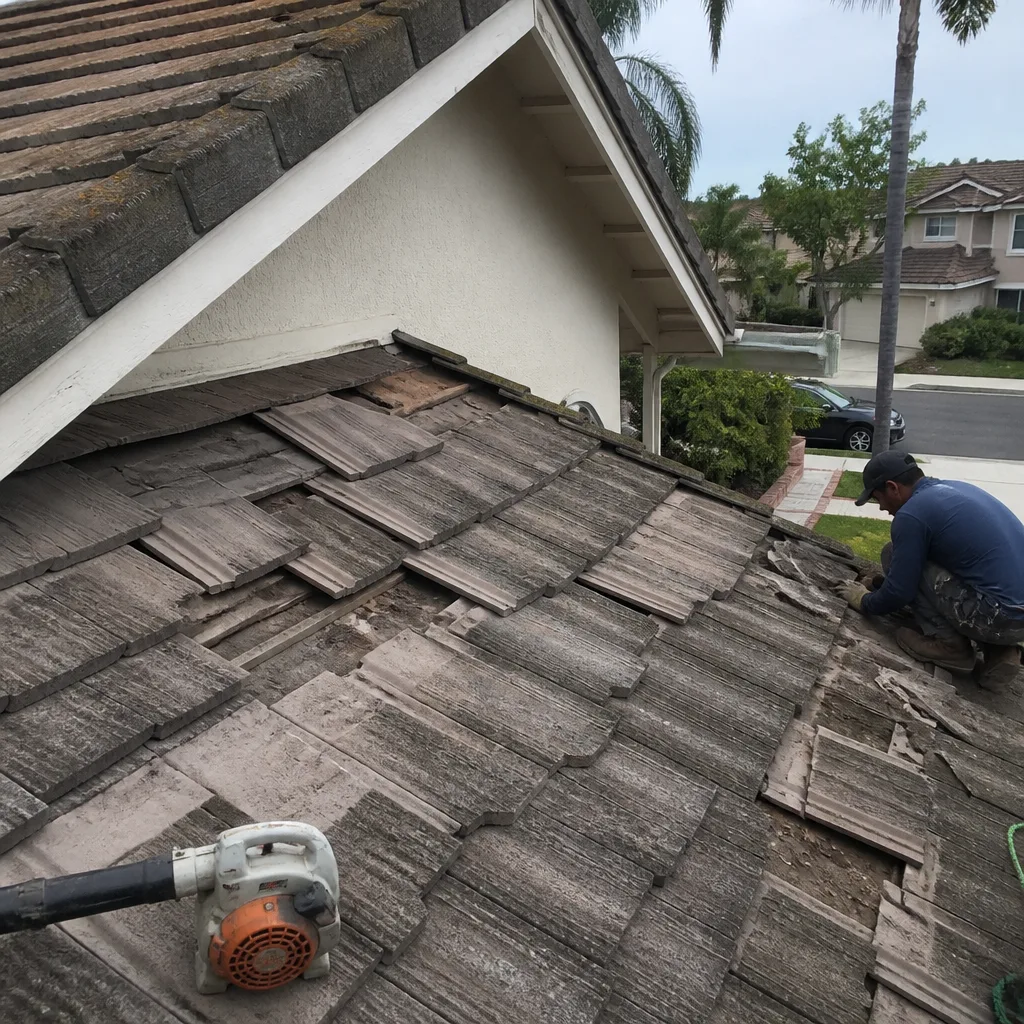 Before
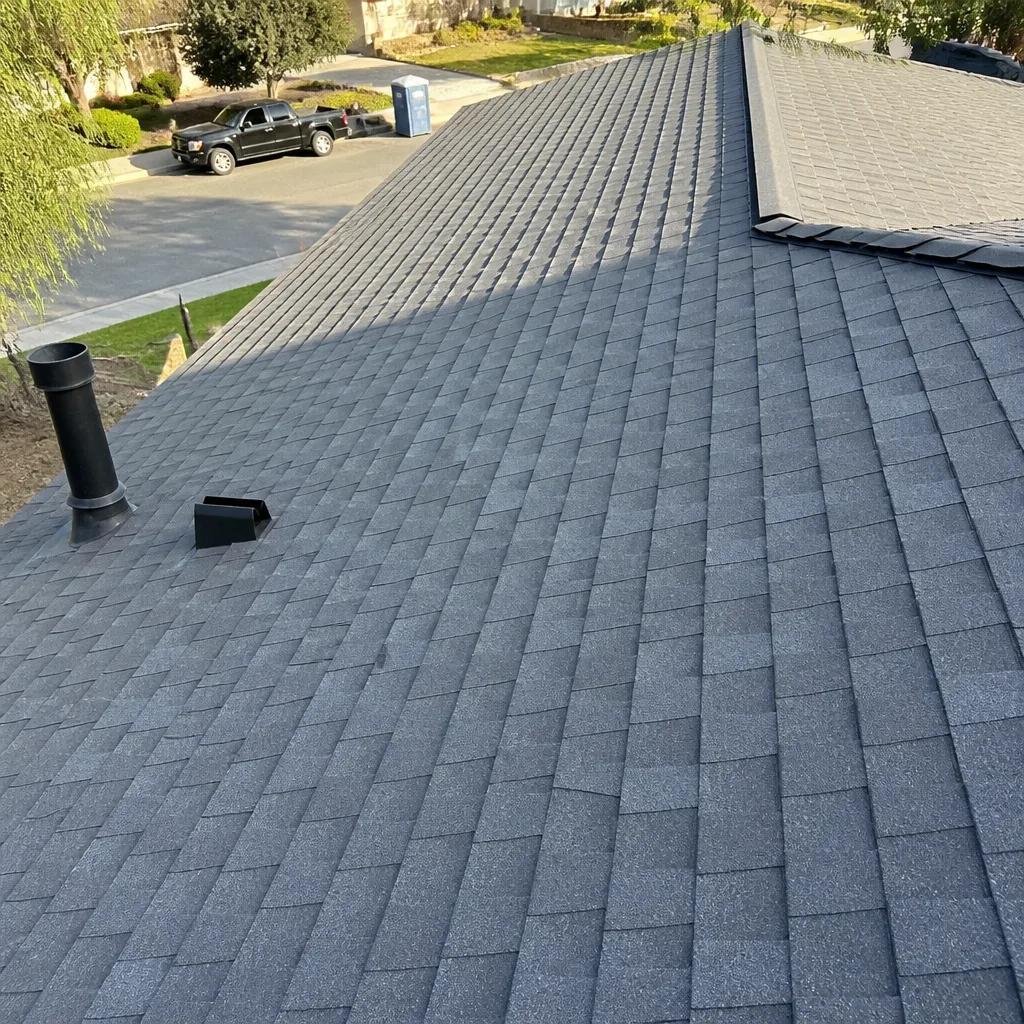 After
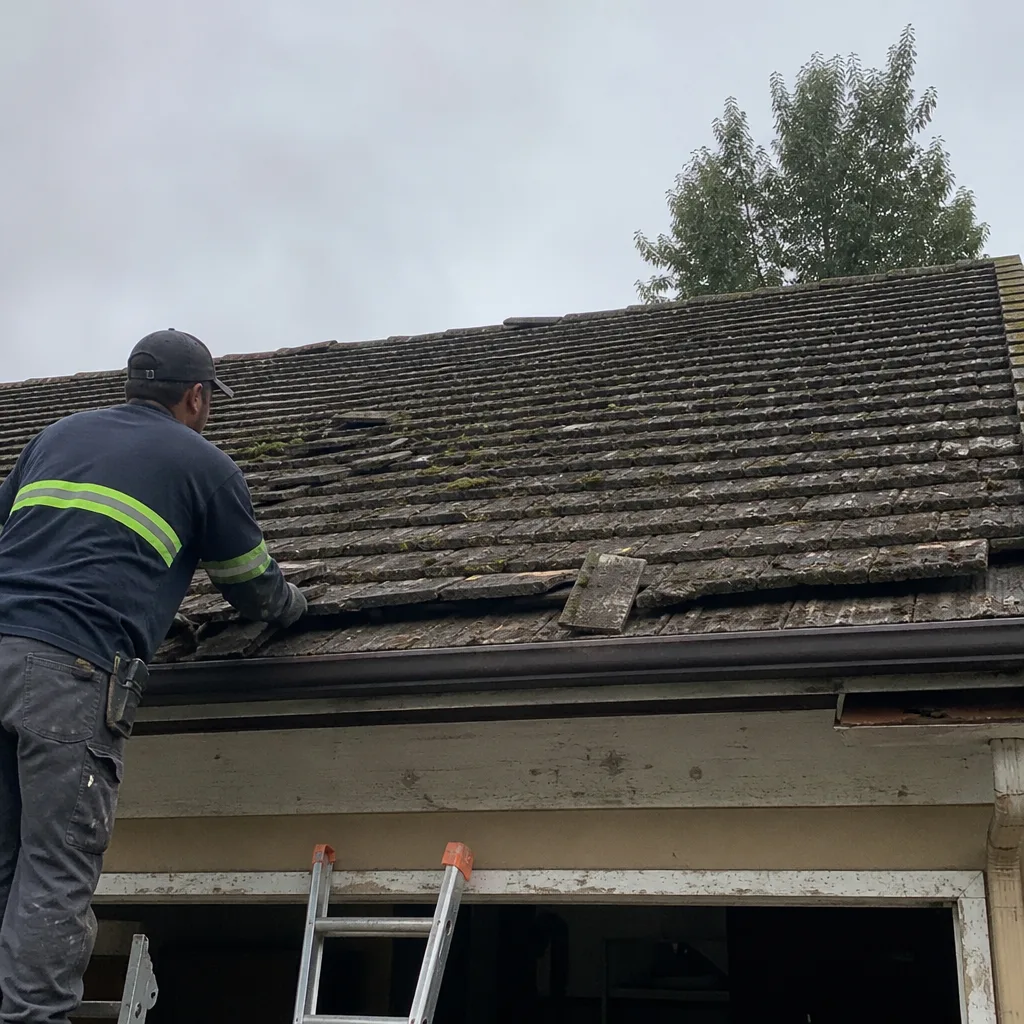 Before
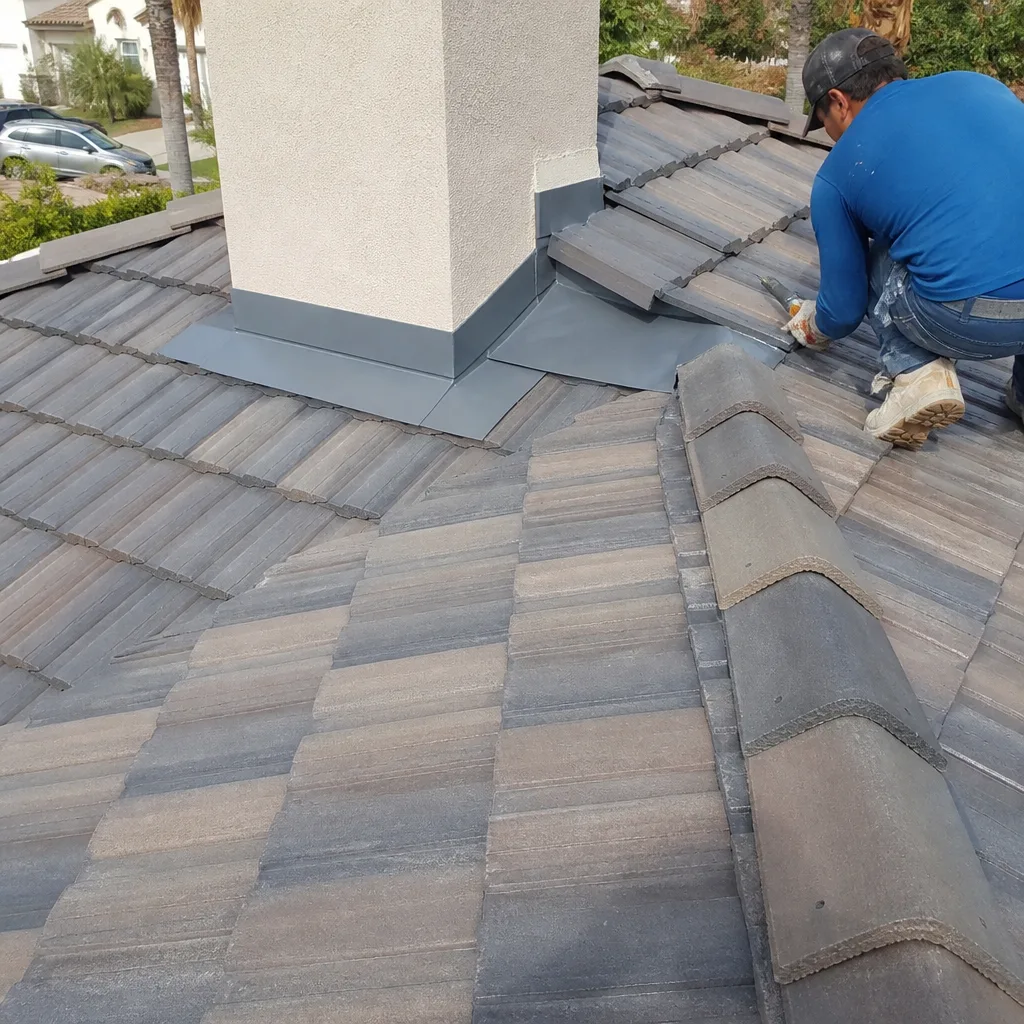 After
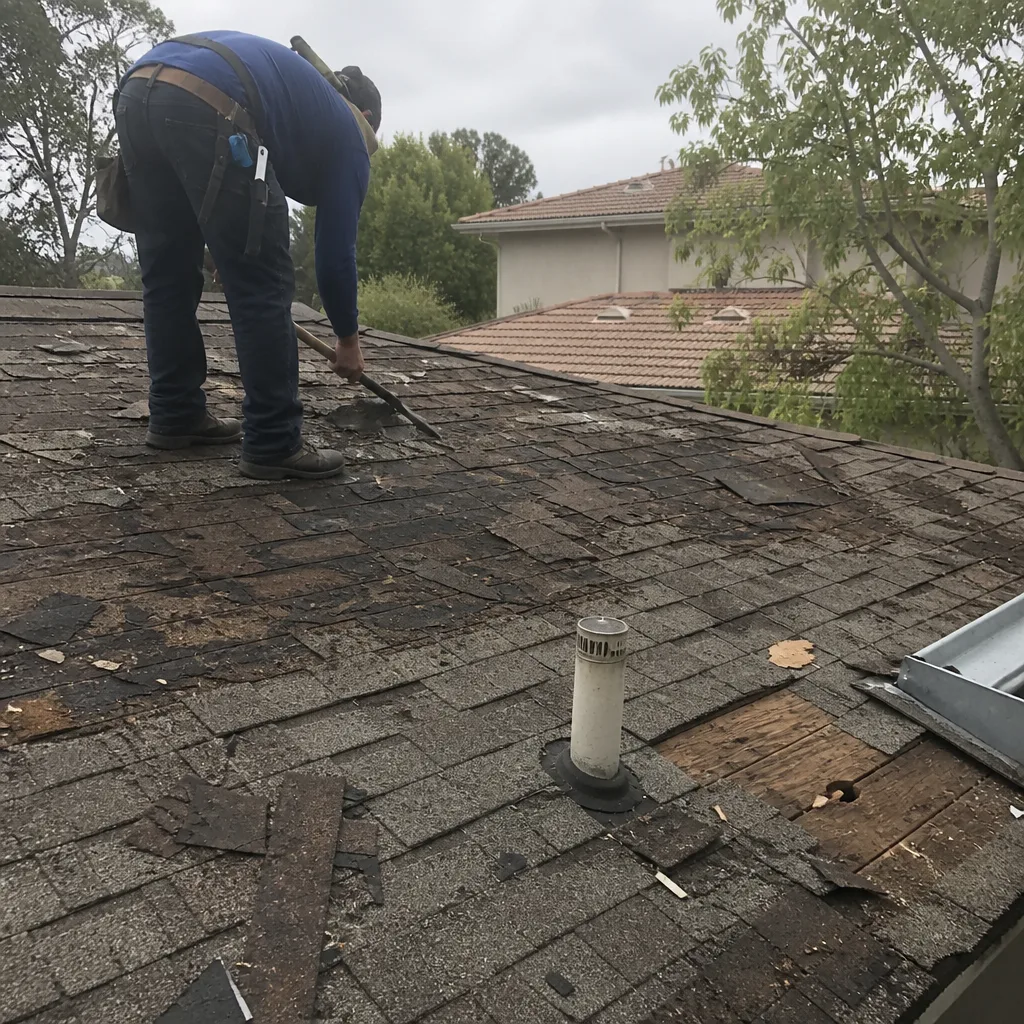 Before
 After