Last updated October 30, 2026
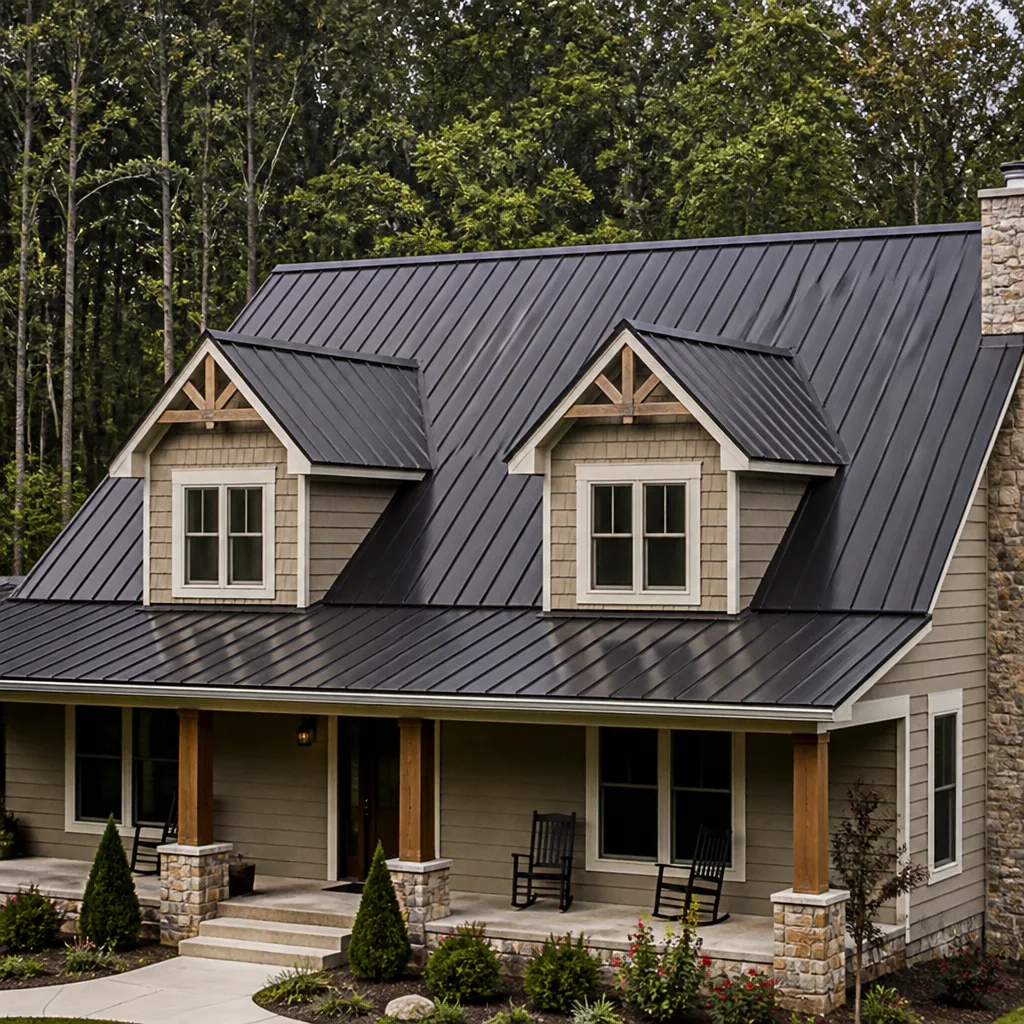 Metal roofing
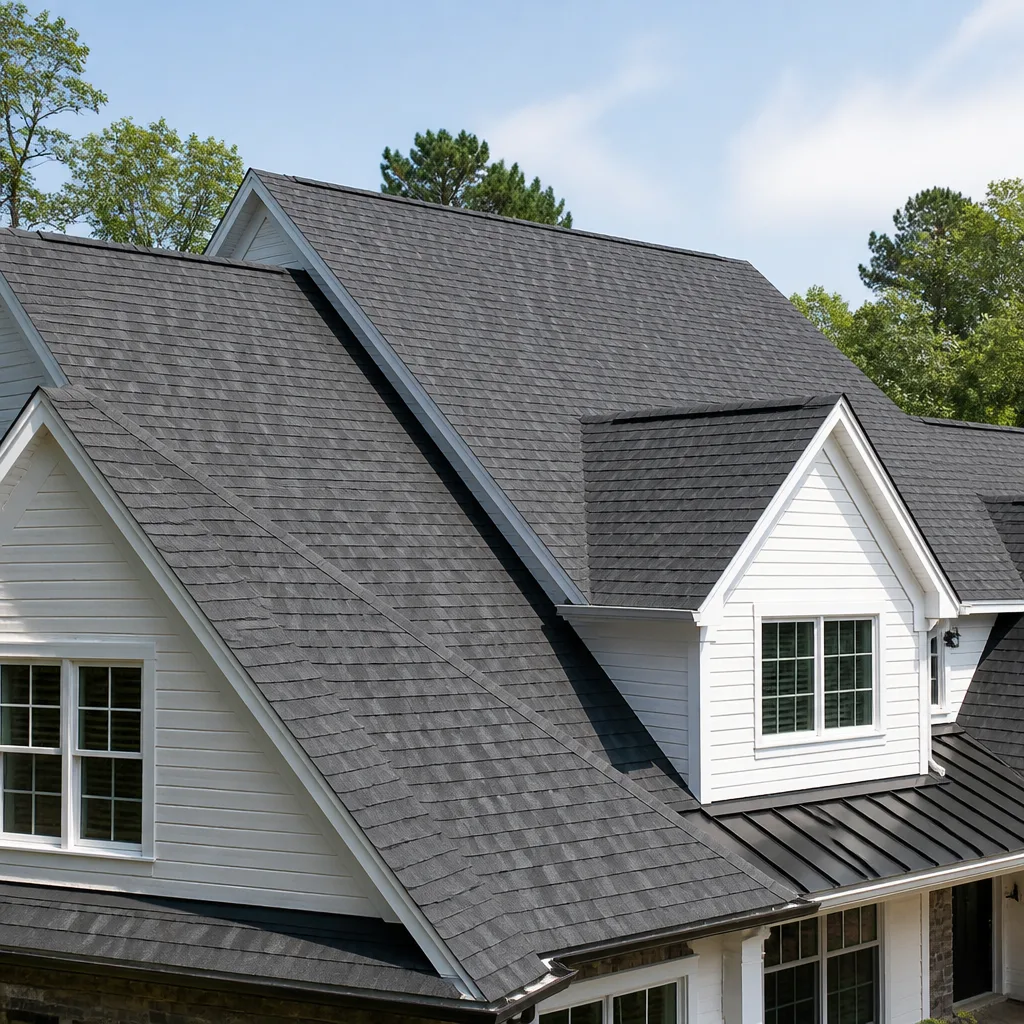 Architectural shingles
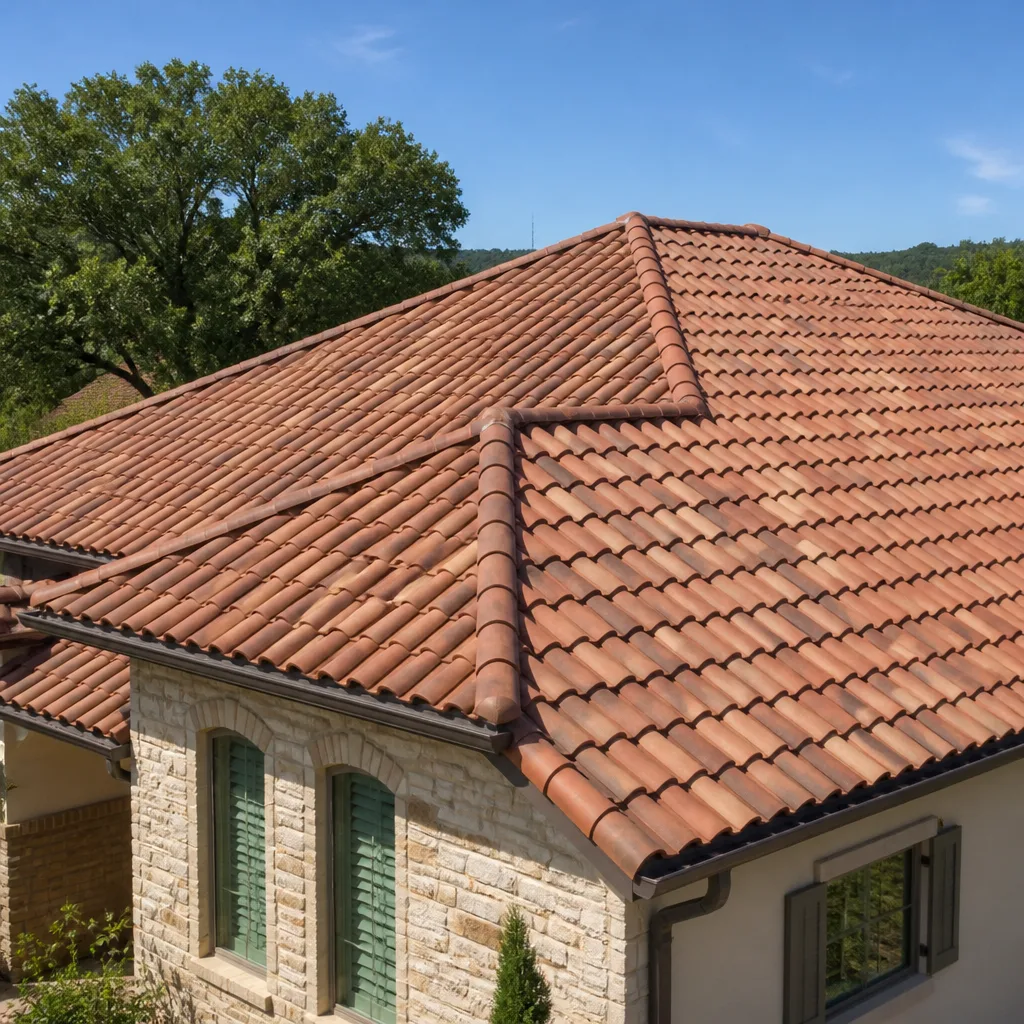 Tile roofing
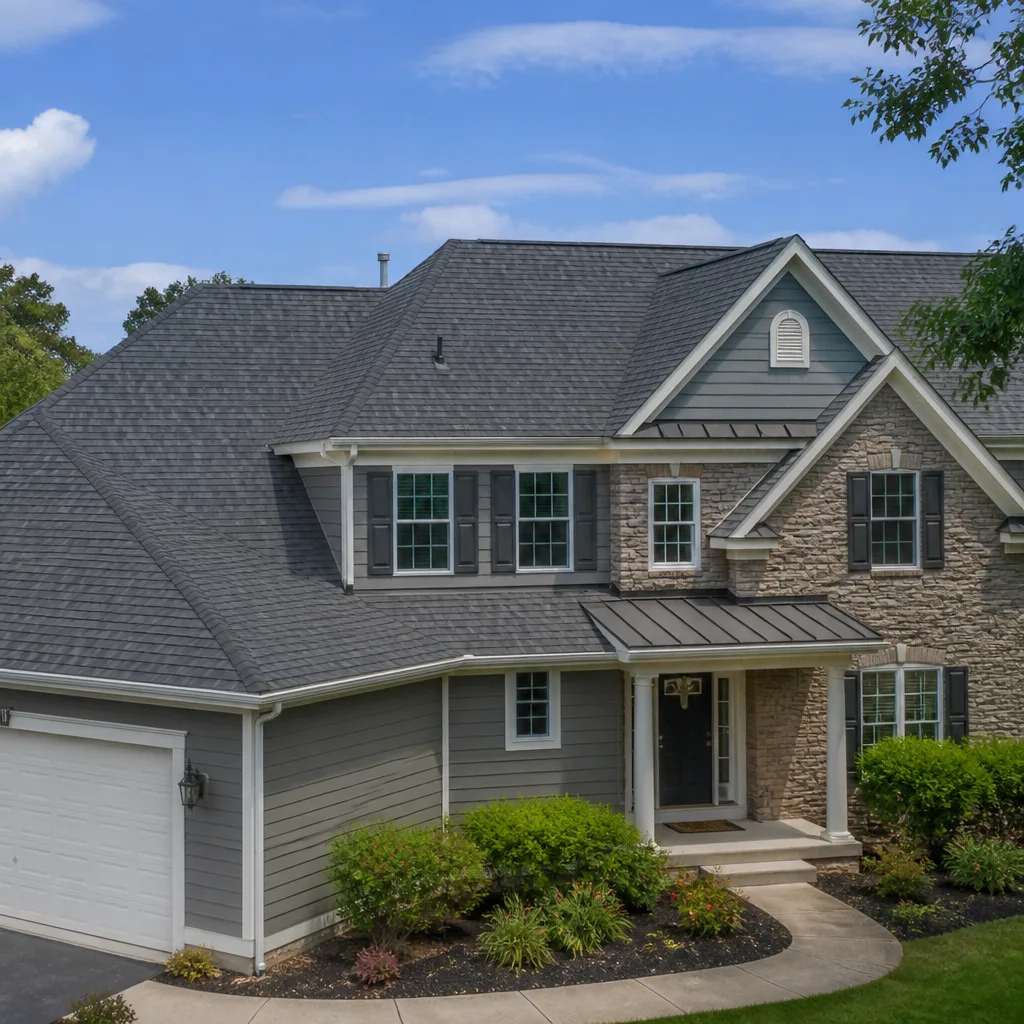 GAF
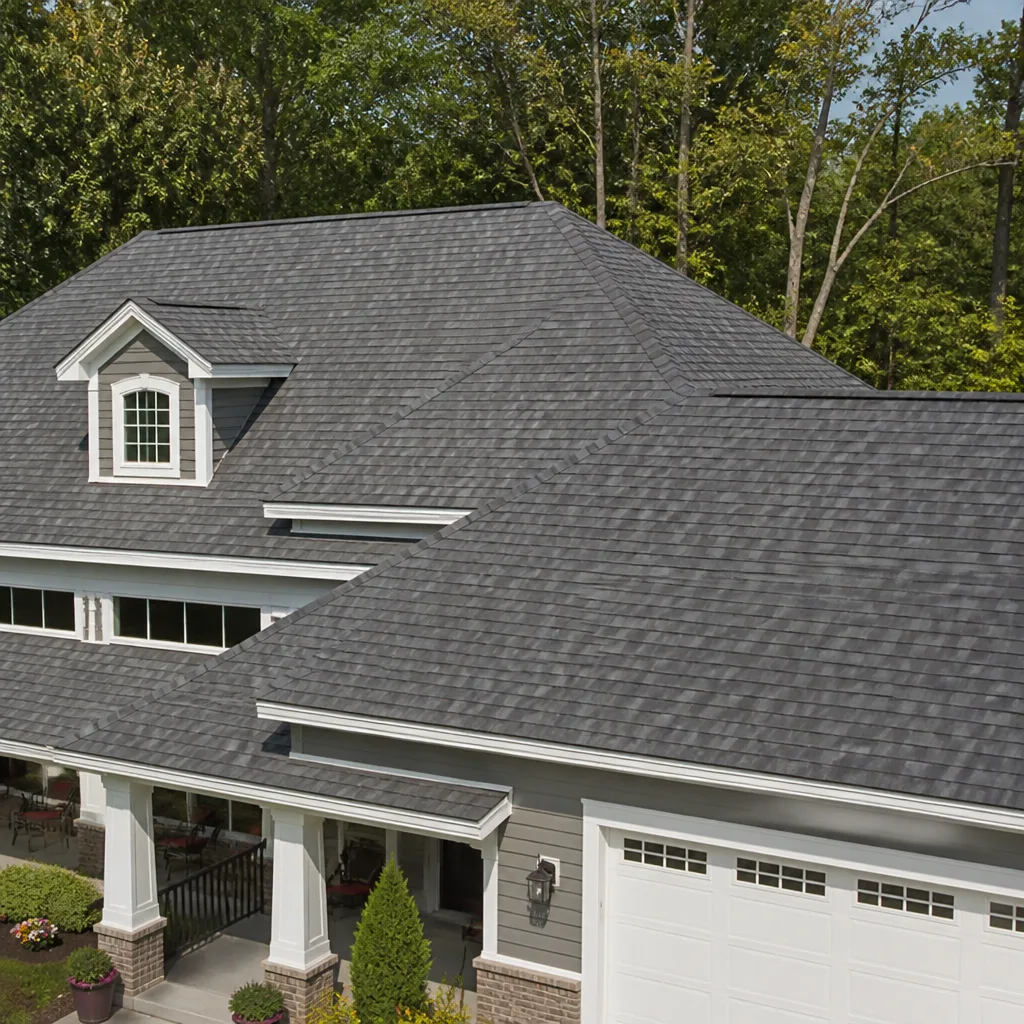 Owens Corning
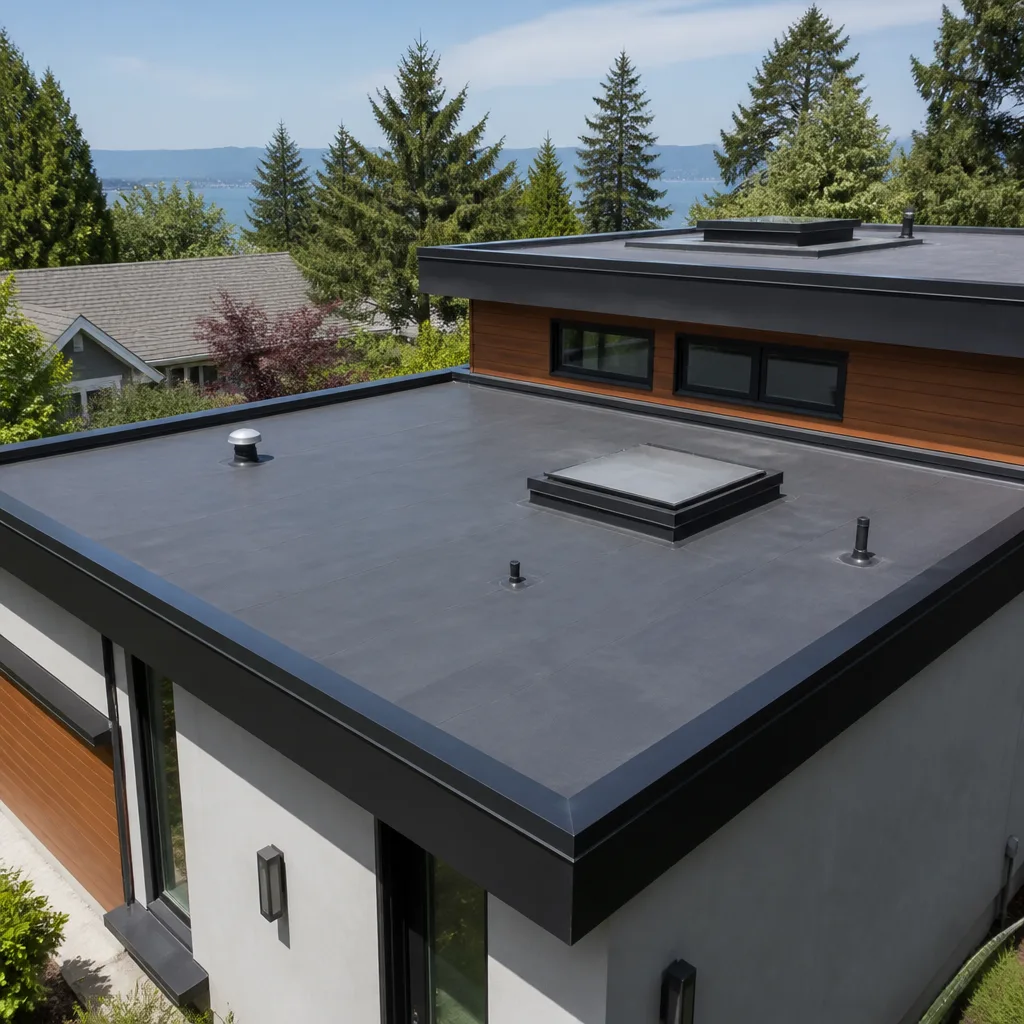 Flat & low-slope
Free roof inspection with deck photos before we talk money - GAF and Owens Corning certified installation
Seasonal Roofing Care for Irvine: Year-Round Homeowner’s Guide
Most roofing maintenance guides are written for places with snow. They tell you to check ice dams in February and clear leaf-clogged gutters in October. Irvine doesn’t work that way. Our climate produces exactly two high-stress events each year: Santa Ana winds in the fall and sustained UV/heat loading in the summer. Everything else is an inspection window. If you’re following a four-seasons checklist in Irvine, you’re inspecting at the wrong times and missing the two things that actually damage roofs here. This guide breaks down what to do, when to do it, and why the timing matters more than most homeowners realize. For more, see The Complete Guide to Roofing in Irvine.
Styles & brands we work with
Quick Answer
Seasonal roof care in Irvine, CA comes down to two preparation cycles and two inspection windows. In October and November, you prep for Santa Ana wind events by checking ridge caps, hip mortar, and pipe boot flashings before gusts exceed 50 mph. In June through August, you manage UV and thermal stress on shingle adhesive strips, especially if attic ventilation is inadequate. December through February is the best time to trace active leaks after rain, and March through May offers the most favorable temperatures for adhesive-set shingle repairs. A roof inspection in Irvine costs $150 – $400 depending on scope and access, and repairs typically run $350 – $1,200 for common wind or UV damage.
Table of Contents
- Santa Ana Preparation (October – November): Wind Damage Prevention
- UV and Thermal Stress (June – August): What Summer Heat Does to Shingles
- Post-Rain Inspection Window (December – February): Tracing Active Leaks
- Spring Repair Window (March – May): Why Temperature Dictates Repair Quality
- June Gloom and Low-Slope Roofing: The Marine Layer Factor
- Irvine-Specific Roofing Factors: Climate, Codes, and Materials
- Seasonal Maintenance Checklist for Irvine Homeowners
- Common Mistakes to Avoid
- When to Call a Professional
- Frequently Asked Questions
- The Bottom Line
Santa Ana Preparation (October – November): Wind Damage Prevention
Santa Ana winds in Irvine routinely produce gusts over 50 mph, and sustained wind at that speed doesn’t just blow leaves around. It lifts shingle tabs, works ridge caps loose, cracks hip mortar, and peels pipe boot flashings away from vent stacks. The damage pattern is consistent. We see the same failure modes every fall across Irvine neighborhoods, from Northwood to Quail Hill to Westpark.
Here’s what to check before Santa Ana season peaks:
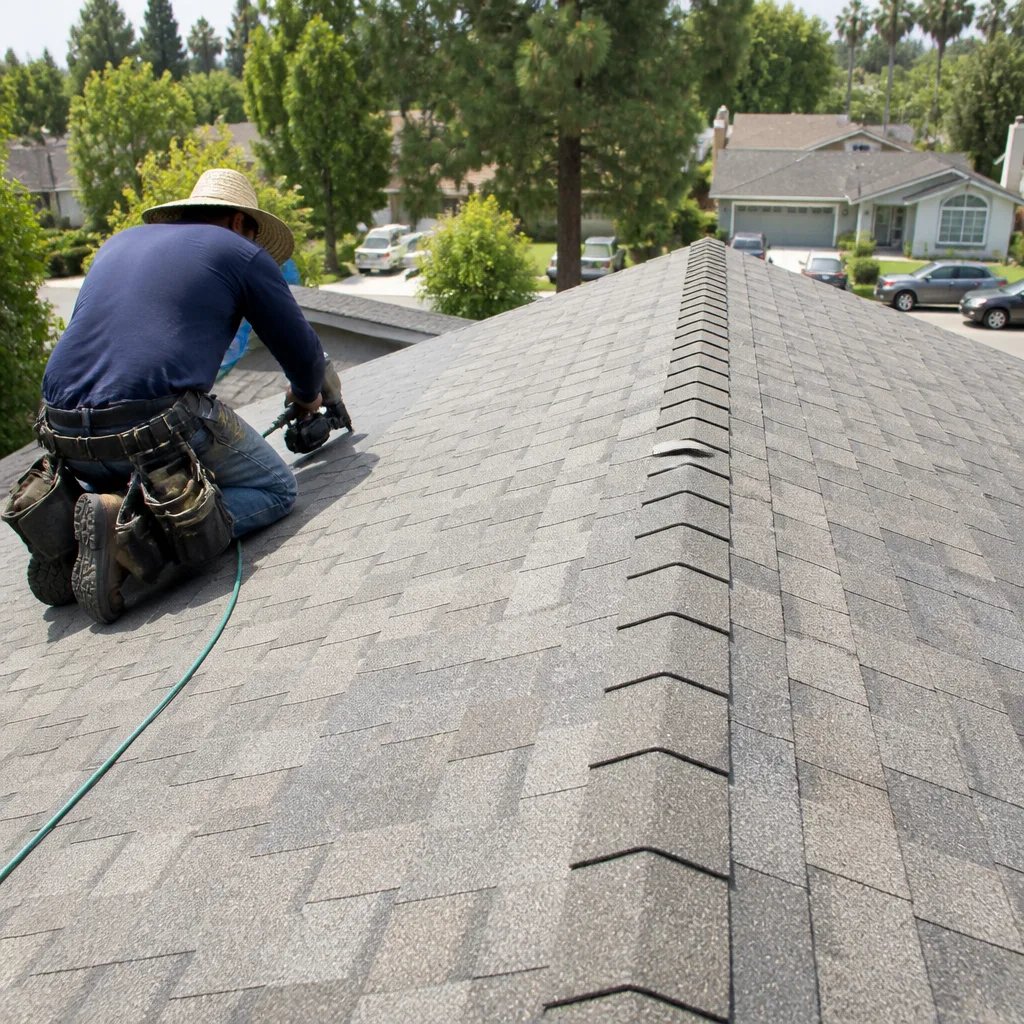
- Ridge caps: Walk the roofline visually from the ground. Look for caps that appear lifted, misaligned, or missing. Ridge caps take the full brunt of wind over the peak, and once one lifts, the rest of that run becomes progressively vulnerable.
- Hip mortar: Irvine has a high percentage of hip roofs, especially in tracts built in the 1970s and 1980s. The mortar joints at hip intersections crack over time from thermal expansion. Wind gets under cracked mortar and starts pulling tiles or shingles in those zones first.
- Pipe boot flashings: The rubber collar around plumbing vent stacks degrades from UV exposure. After 8 – 10 years in Irvine’s sun, it stiffens and cracks. Wind then tears the flashing loose from the pipe, leaving a direct water entry point.
- Loose debris: The eucalyptus and palm trees common in Irvine shed heavily in fall. Debris wedged under shingle edges acts as a wind catch, creating uplift points.
- Gutter attachments: Wind-driven rain can overwhelm gutters that are pulling away from the fascia. Check bracket spacing and tighten anything visibly sagging.
The practical deadline on this is mid-October. Santa Ana events can begin in late September, but the most dangerous sustained wind events typically arrive in October and November. A pre-wind inspection that catches loose ridge caps before a 60 mph gust saves a roof from cascading damage. At Gable Roof Repair, our Roof Inspection in Stanton service applies the same wind-readiness protocol we use across Orange County, because the failure modes are identical regardless of city.
UV and Thermal Stress (June – August): What Summer Heat Does to Shingles
Irvine summers produce sustained air temperatures above 90°F, but the roof surface temperature is what actually matters. On a 95°F day, asphalt shingles on a south-facing roof plane in Irvine can reach 160 – 170°F. That sustained surface heat breaks down the asphalt compounds that keep shingles flexible, and it’s the single biggest driver of premature shingle aging in Southern California.
The specific failure mechanism most homeowners don’t understand is adhesive strip degradation. Asphalt shingles rely on a heat-activated adhesive strip to bond each shingle tab to the course below it. Here’s the counterintuitive part: prolonged extreme heat can actually over-cure these adhesive strips, making them brittle. Once the adhesive fails, shingle tabs lift, and wind gets underneath them.
What amplifies this problem:
- Inadequate attic ventilation: Without balanced intake and exhaust ventilation, attic temperatures in Irvine can exceed 140°F in August. That radiates heat back through the roof deck and accelerates shingle aging from underneath. Ridge vents, soffit vents, or powered attic fans all help, but the system has to be balanced to work.
- Dark shingle colors: Charcoal and dark brown shingles absorb significantly more heat than lighter options. If your roof is due for replacement and faces substantial south or west exposure, lighter shingle colors from brands like GAF or CertainTeed can reduce surface temperatures by 15 – 25°F.
- Thermal expansion cycling: Irvine’s temperature swings between summer day highs and overnight lows can exceed 40°F. Shingles expand and contract with every cycle. Over years, this creates stress cracks, especially near fastener points and along ridge lines.
What you can actually do in summer: check for visible shingle blistering (small raised bumps on the shingle surface, a sign of trapped moisture flashing to steam), look for wavy or lifting tabs along south-facing planes, and verify that soffit vents aren’t blocked by insulation. If you see granular loss collecting in gutters (a gritty black sediment), that’s a sign the shingle surface is breaking down and the roof is entering its replacement window, not just a repair cycle.
Post-Rain Inspection Window (December – February): Tracing Active Leaks
Irvine gets most of its annual rainfall between December and February, and that window is the most diagnostically valuable time to inspect a roof. Here’s why: a leak that’s completely invisible during dry conditions becomes traceable within 24 – 48 hours after real rain. The water leaves a path. Wet decking shows up differently than dry-condition damage, and active moisture is the most reliable evidence of a breach.
What to look for during the winter inspection window:
- Ceiling stains that darken after rain: If a stain darkens or spreads after a storm, that’s an active leak, not historical damage. Note the location relative to roof features above it, like valleys, pipe penetrations, or chimney flashing.
- Attic sheathing moisture: After rain, go into the attic with a flashlight. Wet OSB or plywood sheathing looks darker and may feel damp to the touch. The area around nail penetrations will show water streaking if moisture is entering through the deck.
- Valley metal and flashing inspection: Winter rain exposes the weak points in valley metal installations and step flashing along walls. Water follows gravity, so leaks often present several feet away from the actual breach.
- Gutter overflow patterns: During heavy rain, watch where gutters overflow. Overflow at corners or mid-run often indicates undersized gutters or incorrect slope, which can back water under the eave and into the fascia.
Post-rain inspection produces the highest-confidence diagnosis of any seasonal check, because you’re not looking for damage potential, you’re looking at water that has already found a path through the roof system. If you find active moisture, mark it and call a professional before the next storm. Small leaks during a light December rain become significant interior damage during an atmospheric river event in January or February.
Spring Repair Window (March – May): Why Temperature Dictates Repair Quality
Spring is the optimal repair window in Irvine, not because of weather convenience, but because of adhesive chemistry. Asphalt shingle sealant strips, the heat-activated adhesive that bonds shingles together, require sustained surface temperatures between roughly 50°F and 85°F to properly cure. Winter mornings in Irvine can dip into the 40s, which means shingles installed or repaired in December and January may not seal correctly for weeks or months after installation. Summer heat over-cures the adhesive too quickly.
March through May provides the Goldilocks zone. Surface temperatures stay within the sealing range for most of the day, and the shingles have enough time to bond before the first major heat event. This is especially relevant for:
- Individual shingle replacements: When we replace a damaged shingle, the new shingle’s adhesive strip needs ambient heat to bond to the shingle below it. A spring replacement gets a full season of proper sealing temperatures.
- Ridge cap re-installation: Ridge caps take the most wind exposure, and they need to be fully bonded before the next Santa Ana season.
- Flashing repairs around pipes and chimneys: The sealants and adhesives used on flashing details also have temperature ranges for proper curing. Spring installation means the materials are fully cured before summer heat stress arrives.
If a repair is urgent, we don’t wait. But if you’re scheduling discretionary roof maintenance in Irvine, spring is the window where your roof repairs will have the best shot at long-term performance. The failure pattern is predictable: repairs made in December often fail by September because the adhesive never properly set. Time the work for March through May when possible.
June Gloom and Low-Slope Roofing: The Marine Layer Factor
June Gloom in Irvine isn’t just a mood; it’s a moisture phenomenon that affects a specific subset of Irvine roofs. The marine layer brings nights of heavy fog and condensation, and that moisture sits on roof surfaces that never get warm enough during the June morning hours to dry completely. For most pitched shingle roofs, this isn’t a major issue. The roof sheds water quickly once the marine layer burns off. But for Irvine homes with flat or low-pitch sections, it’s a different story.
Low-slope roofs, common on some Irvine condominium complexes and on additions to single-family homes, hold water longer by design. The slope just isn’t steep enough for fast drainage. Layer in June Gloom condensation, and these roof sections stay damp for extended periods each morning. The moisture gets trapped under debris, around penetrations, and in areas where the roofing membrane meets parapet walls.
What this means practically:
- Membrane check frequency: Low-slope roof membranes should be checked more frequently in early summer, specifically for ponding water that doesn’t drain within 48 hours after a fog event or rain.
- Debris removal matters more: Leaves, pollen, and dust from Irvine’s spring bloom collect on low-slope sections and hold moisture against the membrane. This accelerates membrane degradation at a localized level.
- Seam inspection: The moisture cycling from June Gloom stresses seams and laps in membrane roofing. Look for delamination at edges, which shows up as raised or curled sections.
Irvine’s fog is a moisture source most homeowners don’t think about because it doesn’t look like rain. But over a roof’s lifespan, consistent morning condensation on a low-slope section adds up. If your home has a flat section over a patio or a low-pitch area over a room addition, add a June Gloom check to your seasonal routine.
Irvine-Specific Roofing Factors: Climate, Codes, and Materials
Irvine’s roofing environment is shaped by three things: the Mediterranean climate, the city’s specific building code requirements, and the age distribution of its housing stock. Understanding all three helps you make better maintenance decisions.
Climate: Irvine averages about 13 inches of rain per year, nearly all of it falling between November and March. Summer temperatures regularly exceed 90°F from July through September. The city sits about 14 miles from the coast, close enough to get marine layer influence but far enough inland to get significantly hotter than Newport Beach or Laguna. That inland temperature differential means Irvine roofs age faster than coastal roofs in Orange County.
Codes: Irvine enforces California Building Code (Title 24) requirements, including cool roof standards for new construction and major re-roofs. Cool roof materials, which reflect more solar energy, are required on low-slope roofs and encouraged on steep-slope applications. If you’re planning a roof replacement in Irvine, your contractor should be familiar with the city’s cool roof compliance documentation requirements. The goal is reduced heat absorption, which lowers cooling costs and extends roof life.
Housing stock: Irvine’s construction boom happened between the 1970s and 2000s. Homes built in the 1970s and 1980s are now in their second or third roof cycle. Homes built in the 1990s are typically on the first replacement. The oldest roofing materials in Irvine, especially on original tile roofs from the 1970s, are reaching the end of their service life. Tile itself lasts, but the underlayment beneath it has a 30 – 40 year lifespan in our climate. When underlayment fails, water gets through before the tile shows any visible damage.
Material selection matters in Irvine. Brands like Tamko, Boral, GAF, and CertainTeed all manufacture products designed for high-UV environments, but the specific product line matters more than the brand name. We work with seven major manufacturers, including GAF, CertainTeed, Owens Corning, IKO, Atlas, Tamko, and Boral, because the right roof for a Quail Hill home with full western exposure might be wrong for a shady Northwood property. Seven brands, one standard of installation.
Seasonal Maintenance Checklist for Irvine Homeowners
Here’s a consolidated, season-by-season checklist for Irvine homeowners. Print it, put it on the garage wall, and run through it four times a year.
Fall (October – November): Santa Ana Preparation
- Visually check ridge caps for lifting or misalignment from the ground.
- Inspect hip mortar joints for visible cracking, especially on hip roofs.
- Check pipe boot flashings for cracking, stiffness, or separation.
- Clear gutters and downspouts of eucalyptus leaves, palm fronds, and debris.
- Verify gutter brackets are secure and downspouts are clear.
- Trim tree branches overhanging the roof to reduce debris and wind damage risk.
- Schedule a professional inspection if any of the above checks reveal problems.
Winter (December – February): Post-Rain Inspection
- After each significant rain, check ceilings for new or darkening stains.
- Inspect attic sheathing around nail penetrations for moisture streaks.
- Look for wet spots around chimney flashing, pipe penetrations, and valleys.
- Check for gutter overflow patterns that indicate drainage problems.
- Note any shingle tabs displaced by wind during winter storms.
- Document all findings with photos and dates for your records.
Spring (March – May): Repair Scheduling
- Review winter inspection notes and prioritize any identified repairs.
- Schedule adhesive-dependent repairs (shingle replacement, ridge cap work) for this window.
- Check all flashing sealants and re-seal where cracking is visible.
- Clear roof valleys of accumulated debris from winter winds.
- Schedule your annual professional roof inspection if you haven’t had one in 12 months.
Summer (June – August): UV and Heat Management
- Check for shingle blistering on south and west-facing roof planes.
- Look for lifting shingle tabs, which indicate adhesive strip failure.
- Verify attic ventilation: check that soffit vents are clear and ridge vents are unobstructed.
- Inspect low-slope roof sections for ponding water, especially during June Gloom.
- Check for granular loss in gutters as an indicator of shingle degradation.
- Note any rooms that feel significantly hotter than others, which may indicate insulation or ventilation issues.
Common Mistakes to Avoid
- Following a generic four-season checklist: Most published roof maintenance guides assume snow, ice, and autumn leaf fall. Irvine has none of those. If you’re checking for ice dams, you’re wasting time that should go toward Santa Ana preparation.
- Ignoring the roof during dry months: Homeowners in Irvine often assume no rain means no roof problems. Summer UV damage accumulates invisibly until the first winter rain exposes the failure. The roof is degrading every single day it sits in 160-degree surface heat.
- Postponing spring repairs until fall: The repair window matters as much as the repair itself. Adhesive-set shingle work done in December won’t bond properly, and you’ll be repairing the same area again in a year. March through May is the window for maximum durability.
- Cleaning gutters only in fall: Irvine’s eucalyptus trees shed year-round. Gutters can clog in April as easily as in October, and clogged gutters during a summer thunderstorm can back water under eaves. Check them at least twice a year, more if you have mature eucalyptus nearby.
- Skipping post-rain attic checks: The single most valuable diagnostic action you can take in Irvine is checking the attic 24 – 48 hours after a real rain. Most homeowners skip this because attics are unpleasant. But that’s where active leaks declare themselves.
- Ignoring low-slope sections during June Gloom: Flat and low-pitch roof sections hold morning condensation from the marine layer. Homeowners who don’t think about summer moisture miss early membrane degradation that leads to expensive repairs later.
- Choosing shingle color based on aesthetics alone: In Irvine’s heat, a dark shingle on a south-facing roof plane increases surface temperature and accelerates aging. Lighter colors from brands like CertainTeed or Tamko can reduce attic temperatures and extend roof life by years.
When to Call a Professional
Some seasonal roof care tasks are DIY-appropriate, like gutter cleaning and visual ground-level checks. But specific situations warrant a professional inspection and repair, and waiting on these turns small costs into large ones. Call a roofer if you see active ceiling stains after rain, if you find more than a handful of lifted or missing shingles after a wind event, if you notice shingle blistering across multiple roof planes, if your roof is over 20 years old and you haven’t had a professional inspection in more than two years, or if you see visible damage to flashing around chimneys, pipes, or skylights. See our more guides & resources for additional help. Roof work involves fall risk, and proper diagnosis requires understanding how the entire roof system works together. Gable Roof Repair offers free estimates in Irvine. Call (866) 650-8319 to schedule one.
Frequently Asked Questions
A standalone roof inspection in Irvine, CA typically costs $150 to $400 depending on roof complexity, access difficulty, and whether the inspection includes attic access. At Gable Roof Repair, inspection is a standalone service, not a sales tactic. We separate diagnosis from recommendation, so the inspection answer you get isn’t filtered through a replacement agenda. Call (866) 650-8319 for a free estimate on inspection services.
In Irvine’s climate, an annual professional inspection is the minimum we recommend, ideally timed for late fall before Santa Ana season or early spring when repair conditions are favorable. Homes over 15 years old benefit from twice-annual checks, because the failure rate of flashing materials and adhesive strips accelerates with age.
The most common Santa Ana wind damage in Irvine involves ridge caps lifting at the peak and pipe boot flashings tearing away from vent stacks. Both failure modes are preventable with pre-wind inspection and targeted reinforcement. Once ridge caps lift in a high-wind event, the roof loses its primary wind defense, and damage cascades down the rakes.
At Gable Roof Repair, we provide written line-item estimates before work begins, and our pricing philosophy is fixed-price with no change orders unless unexpected structural damage is discovered beneath the shingles. If we find decking rot or framing damage that wasn’t visible during inspection, we show you photos, explain the scope change, and get written approval before proceeding. Call (866) 650-8319 for a free estimate.
Some roof work in Irvine requires permits, particularly full roof replacements and structural repairs. The city’s building department enforces California Building Code requirements, including Title 24 cool roof standards for re-roofing projects. We handle permit applications and inspections as part of our replacement scope. For repair work, most tasks fall below the permit threshold, but we’ll tell you if your specific job requires one.
Tile and slate products last longest in Irvine’s UV-intensive climate, with tile roofs typically reaching 50+ years if the underlayment is replaced every 30 – 40 years. For asphalt shingles, premium architectural lines from manufacturers like GAF, CertainTeed, and Tamko are designed with UV-stabilized granules and reinforced adhesive strips for high-heat environments. Boral’s tile products are particularly suited to Southern California’s combination of heat, UV exposure, and low rainfall. The material choice should match your home’s exposure, age, and budget.
The Bottom Line
Irvine roofing isn’t about four seasons. It’s about two attack vectors: Santa Ana winds that tear at ridge caps and flashings every fall, and UV intensity that bakes shingle adhesives every summer. Protecting an Irvine roof means preparing in October for wind, managing heat stress through proper ventilation and material choices, inspecting after winter rain when leaks declare themselves, and scheduling repairs in spring when adhesive materials cure correctly. Most Irvine roof failures we see are not sudden events. They’re the cumulative result of seasons of neglect at precisely the wrong times. The inspection is the cheapest insurance you’ll ever buy for your roof. If you haven’t had one in the past year, or if you’re seeing any of the failure signs described in this guide, start with an honest assessment. That’s what Gable Roof Repair home is built on: inspection first, recommendation second. For full replacement planning, our Roof Replacement in Stanton process carries the same material-agnostic approach. Repair when it makes sense. Replace when it’s right.
Schedule your roof inspection before the next Santa Ana season hits Irvine. Call (866) 650-8319 to book a free estimate.
Written by the team at Gable Roof Repair, serving Irvine since 2016.
See the difference
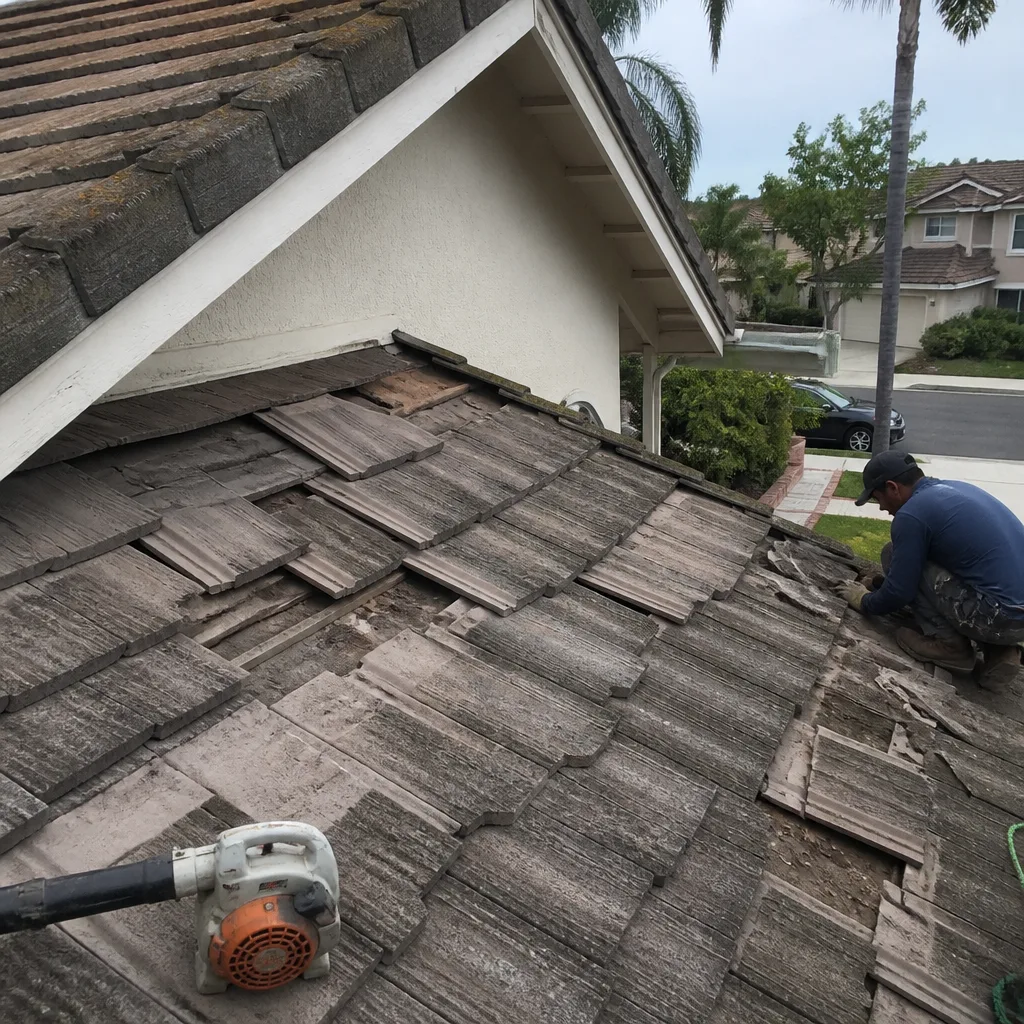 Before
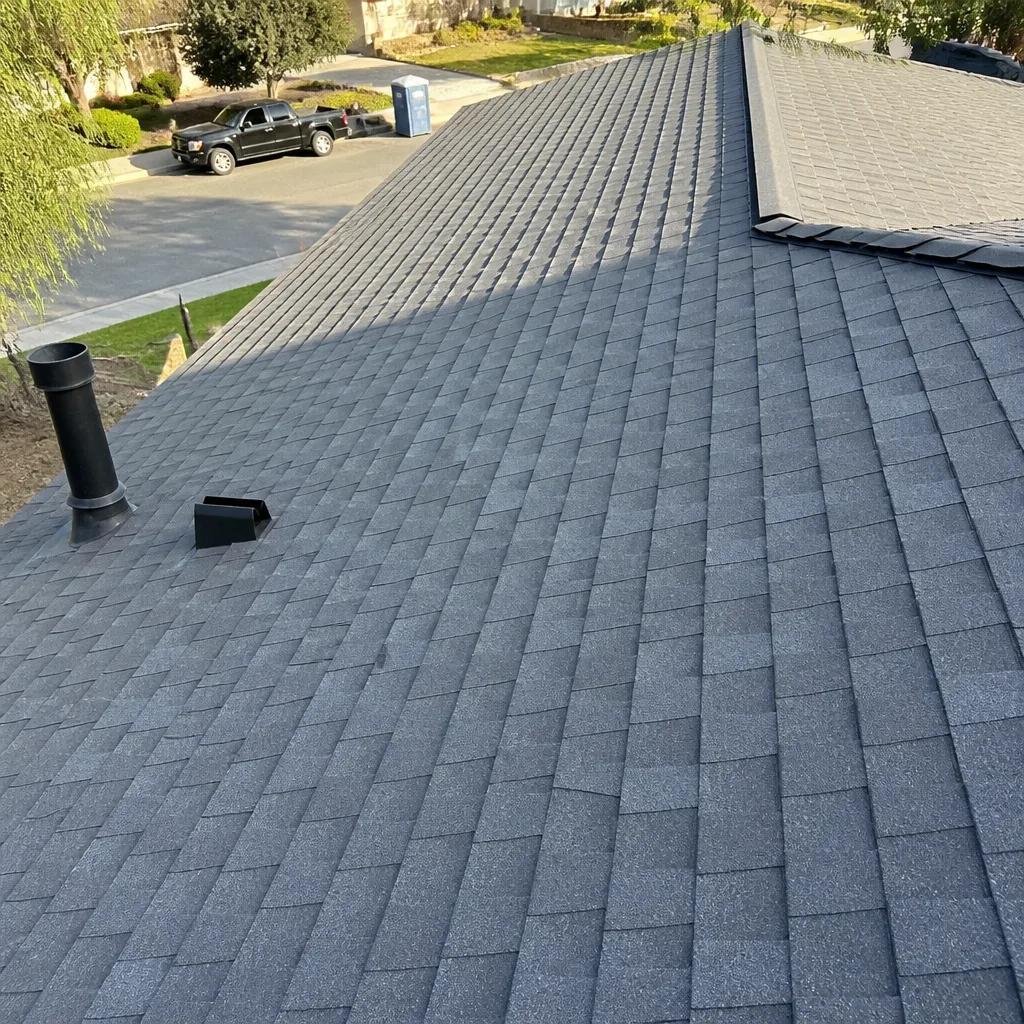 After
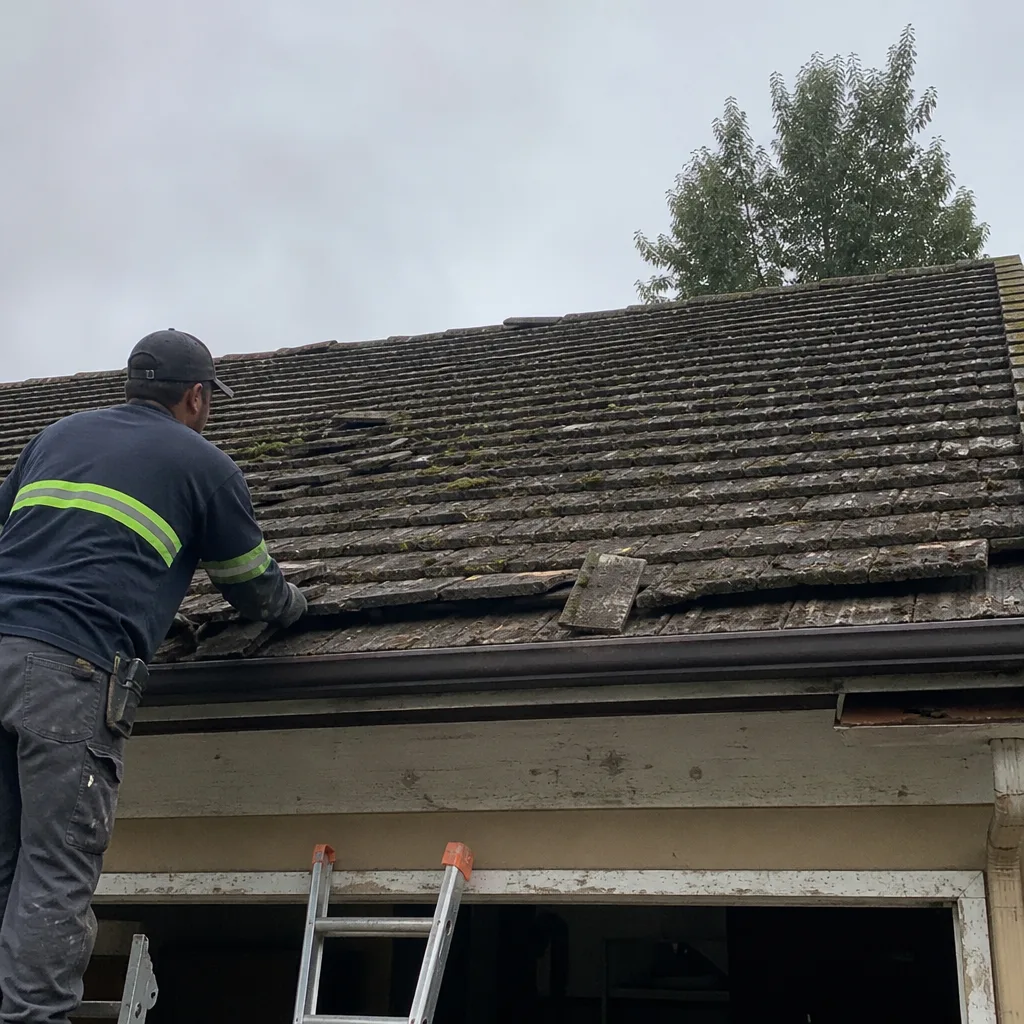 Before
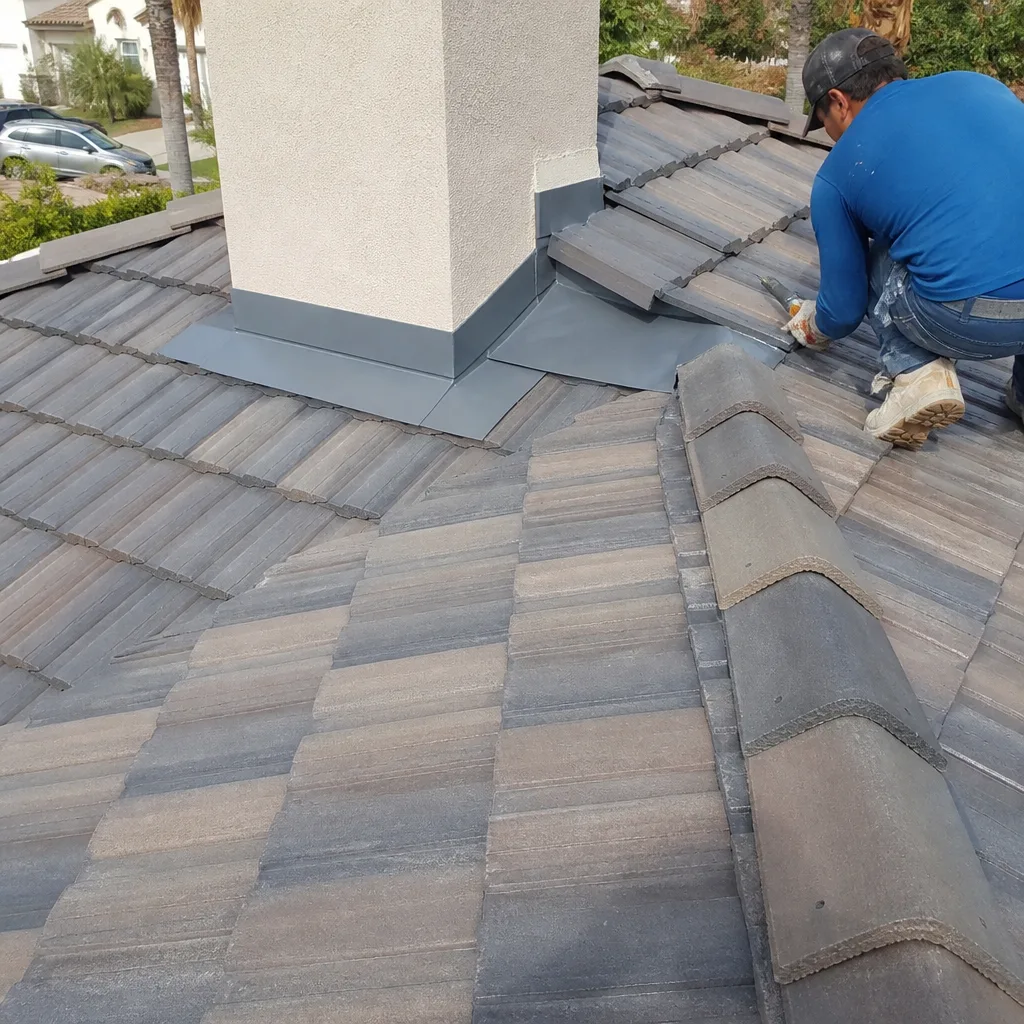 After
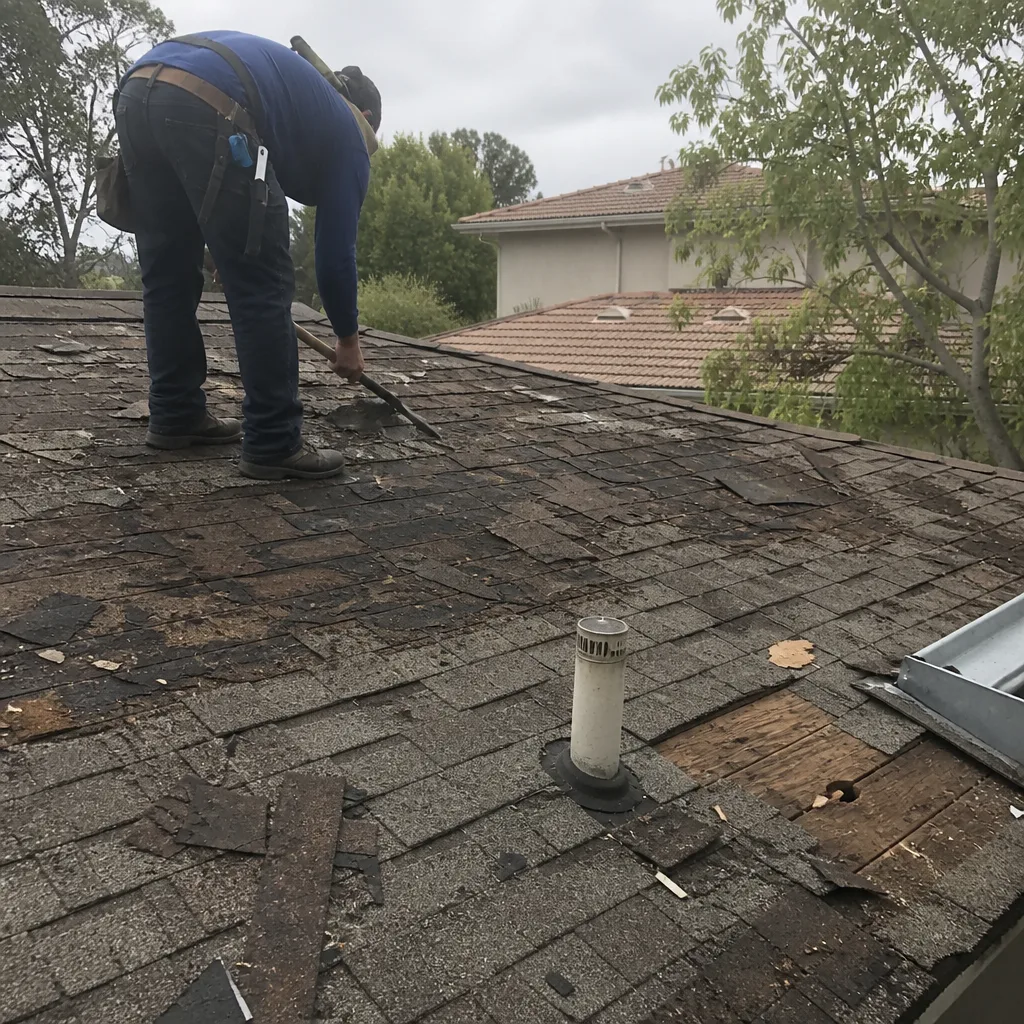 Before
 After