
 Architectural shingles
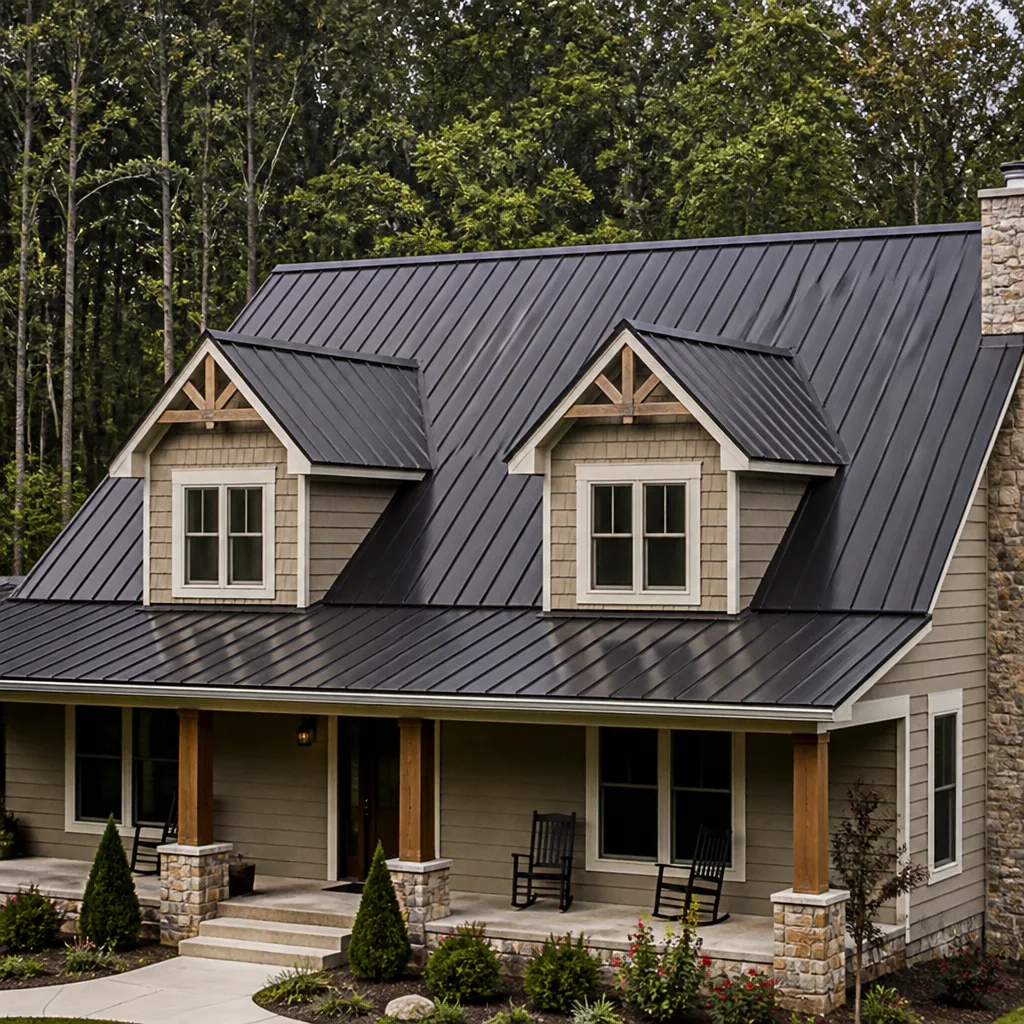 Metal roofing
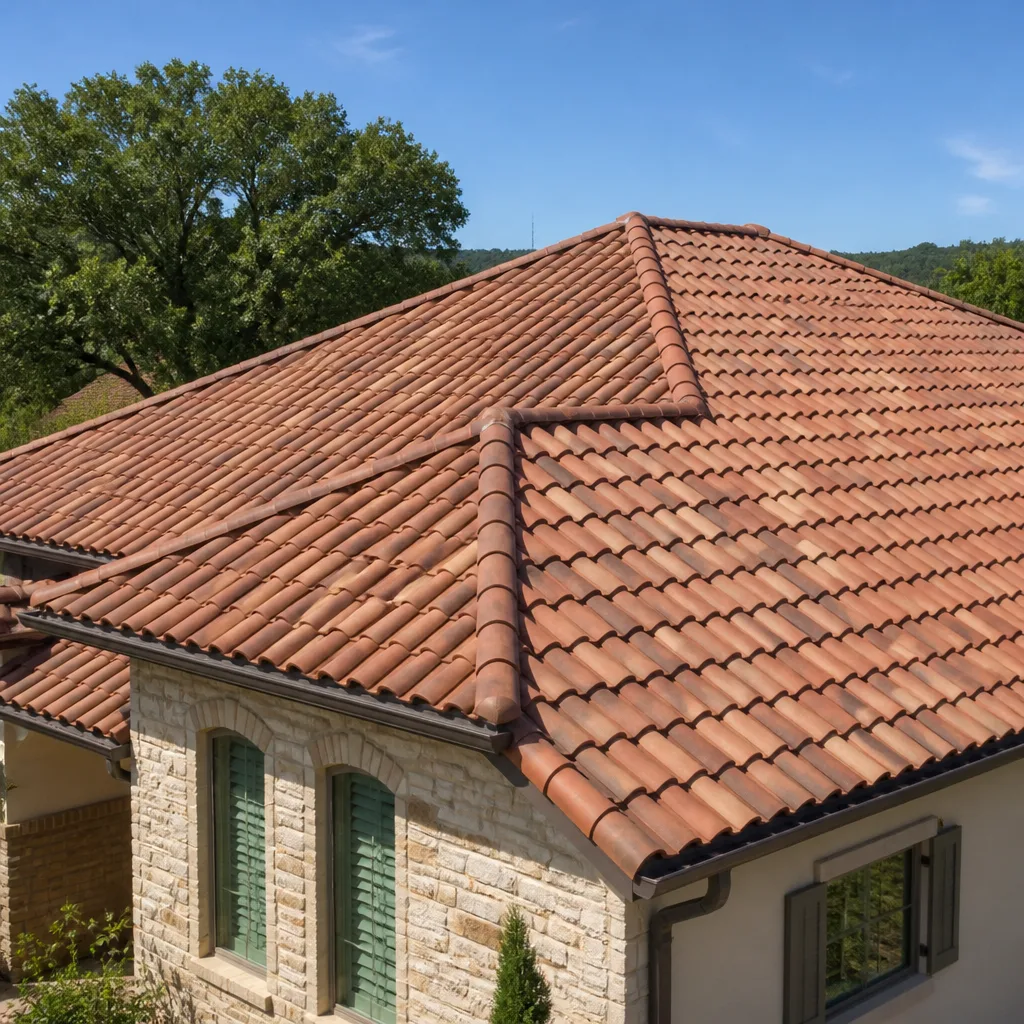 Tile roofing
 GAF
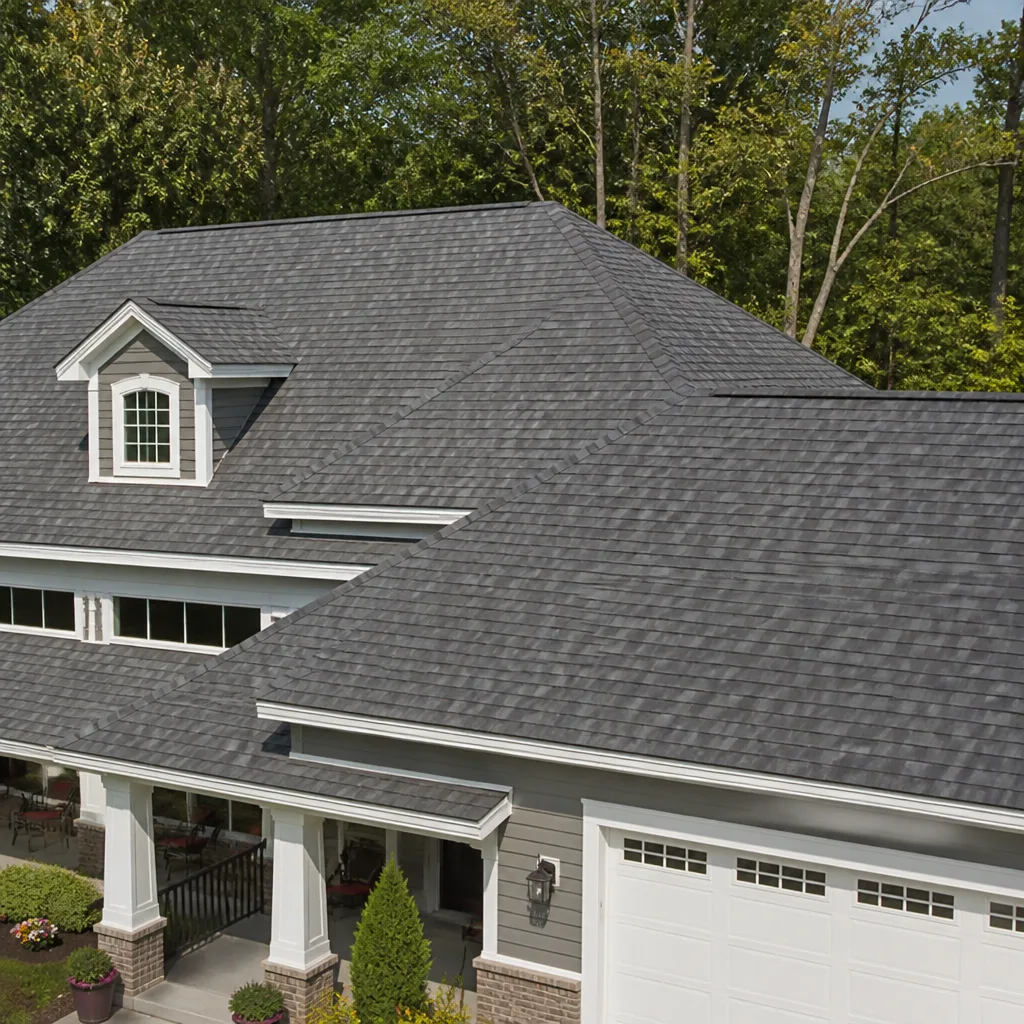 Owens Corning
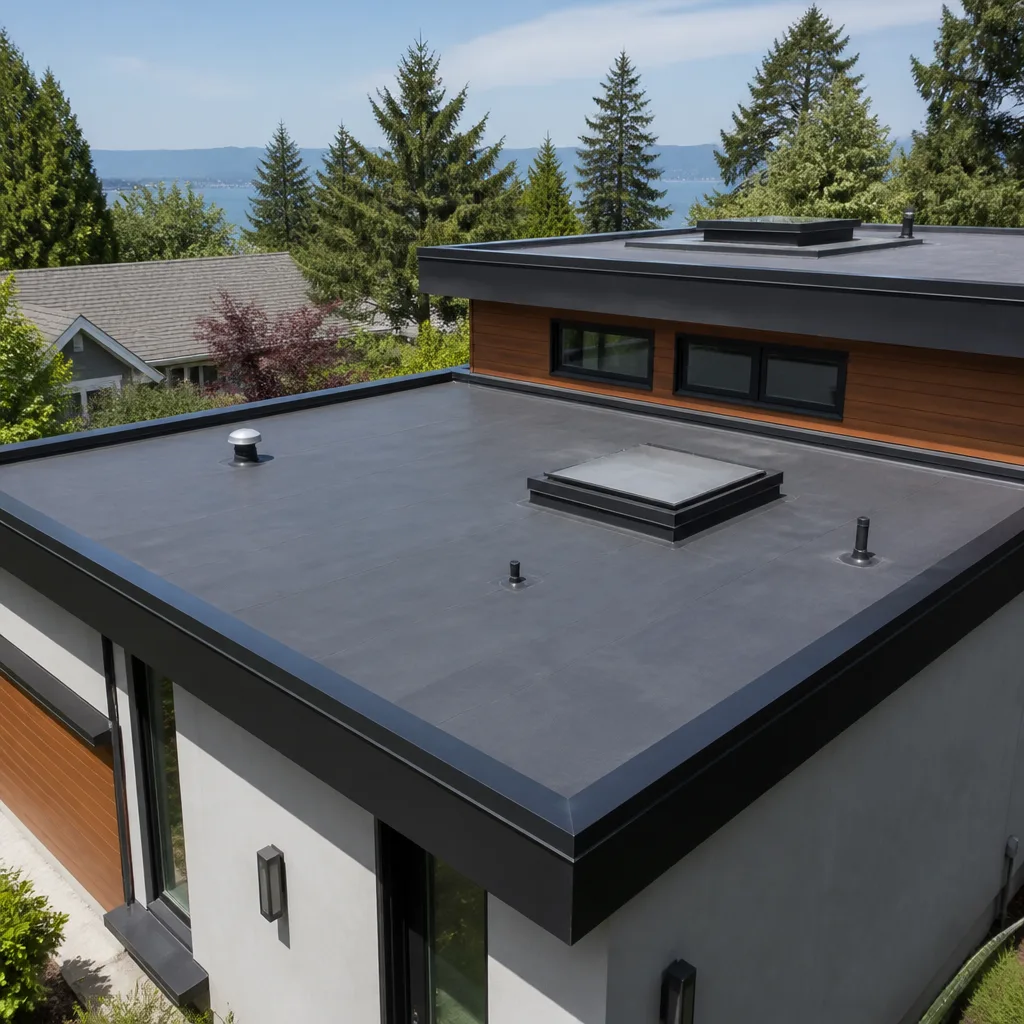 Flat & low-slope
Free roof inspection with deck photos before we talk money - GAF and Owens Corning certified installation
San Marino’s Historic Tile Roofs Don’t Need Replacement. They Need a Roofer Who Knows How to Preserve Them.
Roof repair in San Marino is different than almost anywhere else in Los Angeles County. The dominant roof type on the city’s older streets isn’t asphalt shingles. It’s original clay barrel tile, slate, and wood shake sitting on homes built between 1910 and 1940. These roofs aren’t failing because the tile wore out. The tile is often still good. What fails is the underlayment beneath it, the fasteners holding it down, and the flashing at the ridges and valleys. Our team at Gable Roof Repair has spent years working on these roofs, and we take a preservation-first approach: lift the tile, fix what’s underneath, and re-lay the original profile. Call (866) 650-8319 for a free inspection and an honest assessment of what your roof actually needs.
Why So Many San Marino Roofs Leak After the First Winter Storm
San Marino sits in the inland San Gabriel Valley, which means the climate is hot and dry for most of the year. That heat is hard on tile roofs in ways homeowners don’t see. Clay tile itself can survive a century. The asphalt-saturated felt underlayment beneath it cannot. After enough summers of San Gabriel Valley UV, that underlayment turns brittle and begins to crack. Then the first winter storm arrives. Water works past the tile, finds the cracked underlayment, and leaks into the decking. The homeowner sees water stains on the ceiling and assumes the roof is shot. It usually isn’t. The underlayment is.
This is the single most common failure mode we see on Roof Repair calls in San Marino, and it’s why we don’t lead with a replacement quote. The fix is to lift the tile in the affected area, replace the failed underlayment, and re-lay the original tile. That’s a repair, not a replacement.
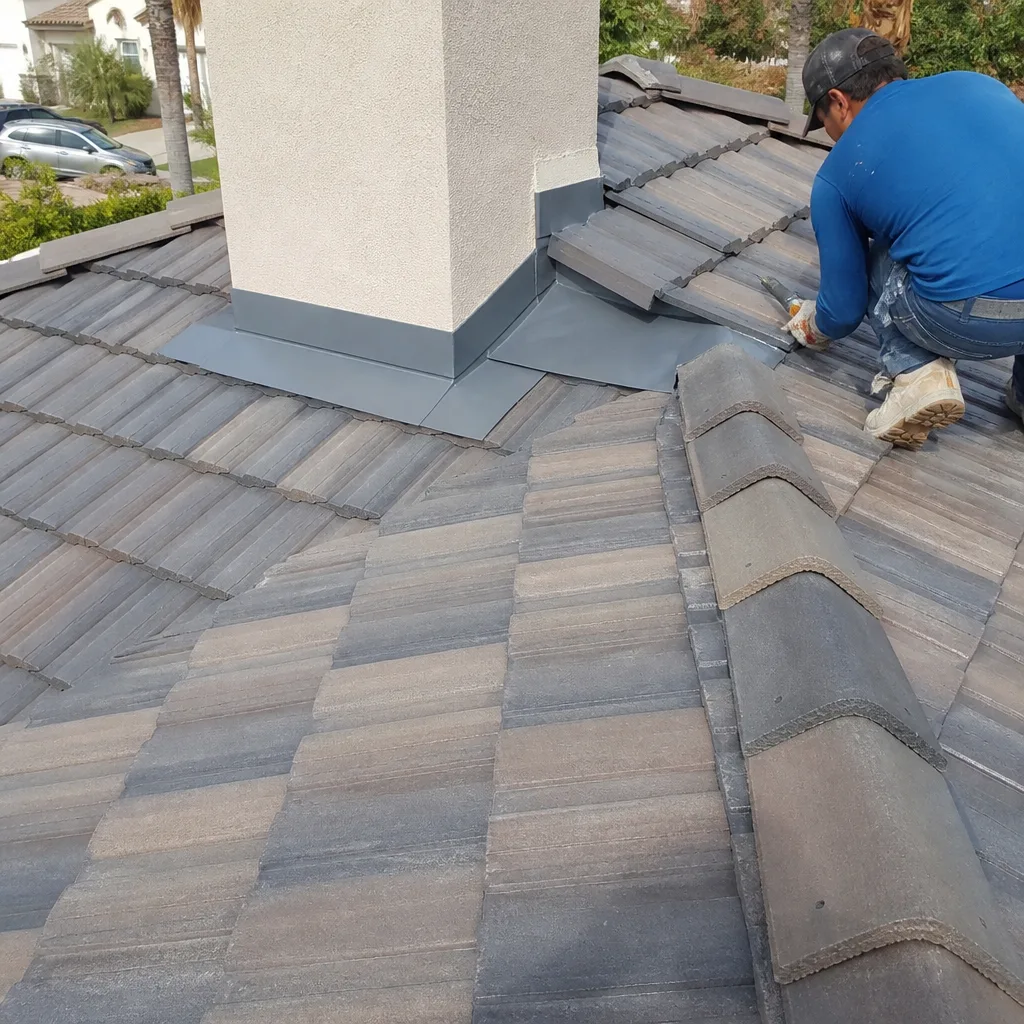
On a 1920s Spanish Colonial estate off Oak Knoll Avenue, we found the original clay barrel tile slipping off a bed of failed underlayment that had baked brittle under San Gabriel Valley UV. Our crew hand-lifted and numbered each tile, replaced the rotted decking, installed new ice and water shield in the valleys, and re-laid the original tile with stainless-steel fasteners to match the historic profile. That roof is back to doing its job, and it looks exactly the way it did in 1928.
Styles & brands we work with
Roof Leak Repair in San Marino
Roof leak repair in San Marino typically costs between $450 and $1,800 depending on where the leak is and what’s causing it. Repairing a valley or ridge on a tile roof runs $650 to $1,200 in this market. A single penetration leak, like a vent boot or exhaust pipe, is usually $350 to $600 to fix properly. The larger cost differences come from what’s underneath the tile once we lift it. If the decking is rotted or the underlayment has failed across a broad section, the repair scope expands. We always show you what we found before we touch anything.
Here’s what Roof Leak Repair involves on a San Marino tile roof: we locate the water path, which is often not directly above the ceiling stain. We lift tile in the repair zone. We inspect the underlayment, flashing, and decking. We replace what has failed. Then we re-lay the original tile and bed it properly. You get a written line-item quote before any of that begins, and the quote doesn’t change unless we find structural damage that we show you with photos.
What leak sources cost more
Valley repairs cost more than straight eaves runs because valleys concentrate water flow and have more flashing. Ridge repairs are more involved because they require cap tile to be re-bedded. If we have to replace multiple tiles, we match the profile and color as closely as the original stock allows. New clay tile that’s custom-matched can run $40 to $80 per square foot installed, but that’s only necessary when tile is truly shattered and cannot be re-laid.
When the leak is coming from under the tile
Underlayment replacement under an existing tile system in San Marino runs about $8 to $15 per square foot depending on the section size and roof slope. That’s a real number we quote on our repair estimates, not a hidden charge. When we open a section and find the underlayment has failed across most of a slope, we’ll tell you and adjust the scope. We don’t re-lay tile over failed underlayment. That’s how leaks come back.
Emergency Roof Repair in San Marino
Emergency roof repair in San Marino usually runs $650 to $2,800 for the temporary and permanent phases combined. The most common emergencies here are lifted tiles after Santa Ana winds, or water intrusion at a ridge or skylight during a winter storm. Our emergency response includes tarping and making the home weather-tight first, then a permanent repair once the weather clears. Call (866) 650-8319 and we’ll walk you through what’s happening before we send anybody out.
Santa Ana winds are a real hazard for older estate roofs. A 60 mph gust can lift a clay tile at just the right angle and expose the flashing underneath. Once the tile shifts, the next rain gets into the decking. If this happens at your home in San Marino, here’s the sequence we follow: we inspect the full slope for loose or shifted tile, not just the one you noticed. We secure the lifted tile and any adjacent tile that’s loosened. We check the flashing at the ridge and any penetrations upwind of the damage. Then we make the permanent repair with upgraded fasteners instead of reusing the failed ones.
When water is entering now
If water is actively coming into the house, call (866) 650-8319 immediately. We can usually get a crew to San Marino within a couple hours during business hours. We bring the right tile lifters, sealant, and underlayment patch material so the fix we do in the emergency is the same quality as the fix we’d do on a scheduled repair.
After the storm
Most San Marino roofing emergencies are found the week after a storm or wind event, not during it. That first morning after a Santa Ana, homeowners on Wentworth Avenue, Lombardy Road, and around the Huntington Library area notice tile fragments in the yard or a stain on the ceiling. That’s a repair call, not a replacement call. We handle it as a Roof Leak Repair with a full inspection of the affected slope.
Trusted Brands We Service in San Marino
We work with seven major roofing brands including IKO, Atlas, and Tamko, and we hold certifications to install their systems according to each manufacturer’s specifications. What matters more in San Marino is that we know how to work with what’s already on your roof. Original clay barrel tile from the 1920s and 1930s wasn’t produced by any brand still making residential tile today. So the job becomes matching profile, color, and installation method rather than swapping in a different system. Our team carries local parts inventory for common San Marino repair materials: barrel tile of several profiles, ridge cap, valley metal, and replacement flashing. That means we don’t have to order parts from a warehouse and make you wait a second week for a repair that could prevent interior damage.
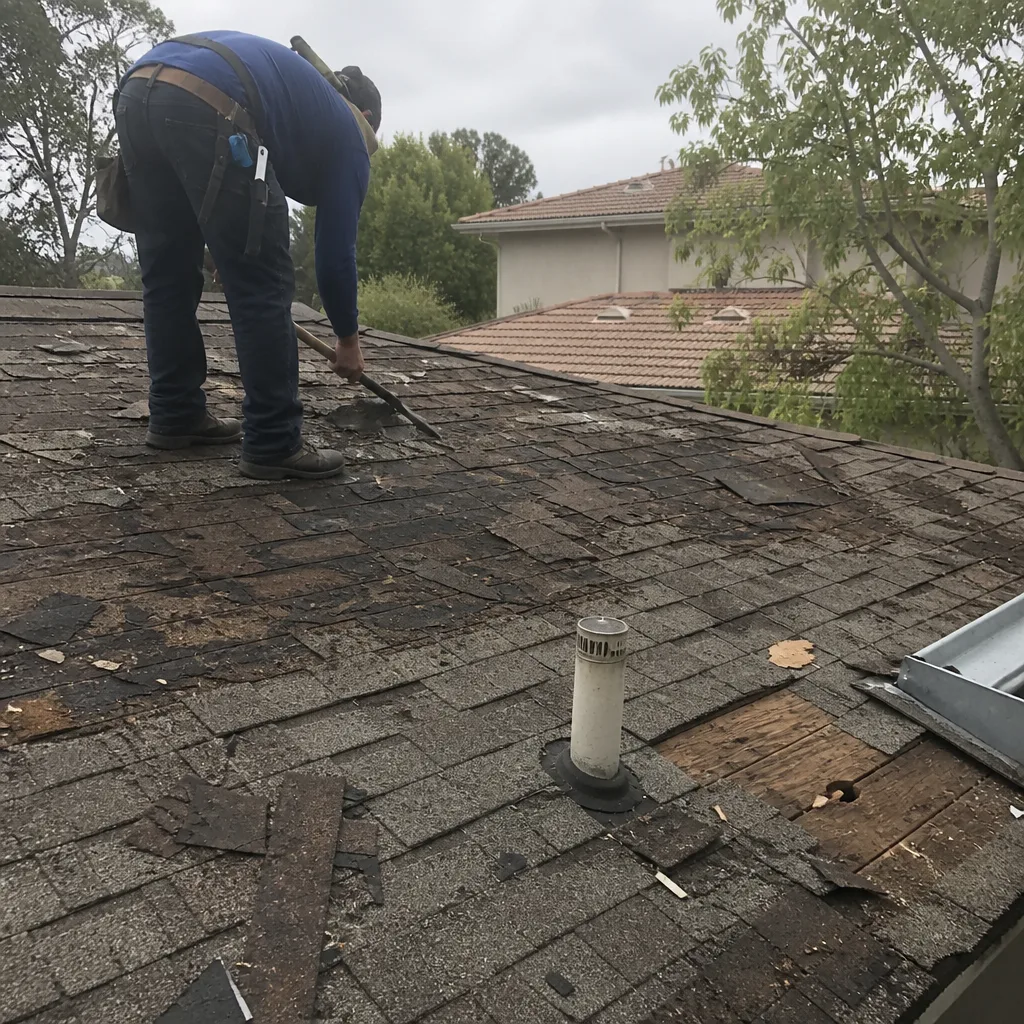
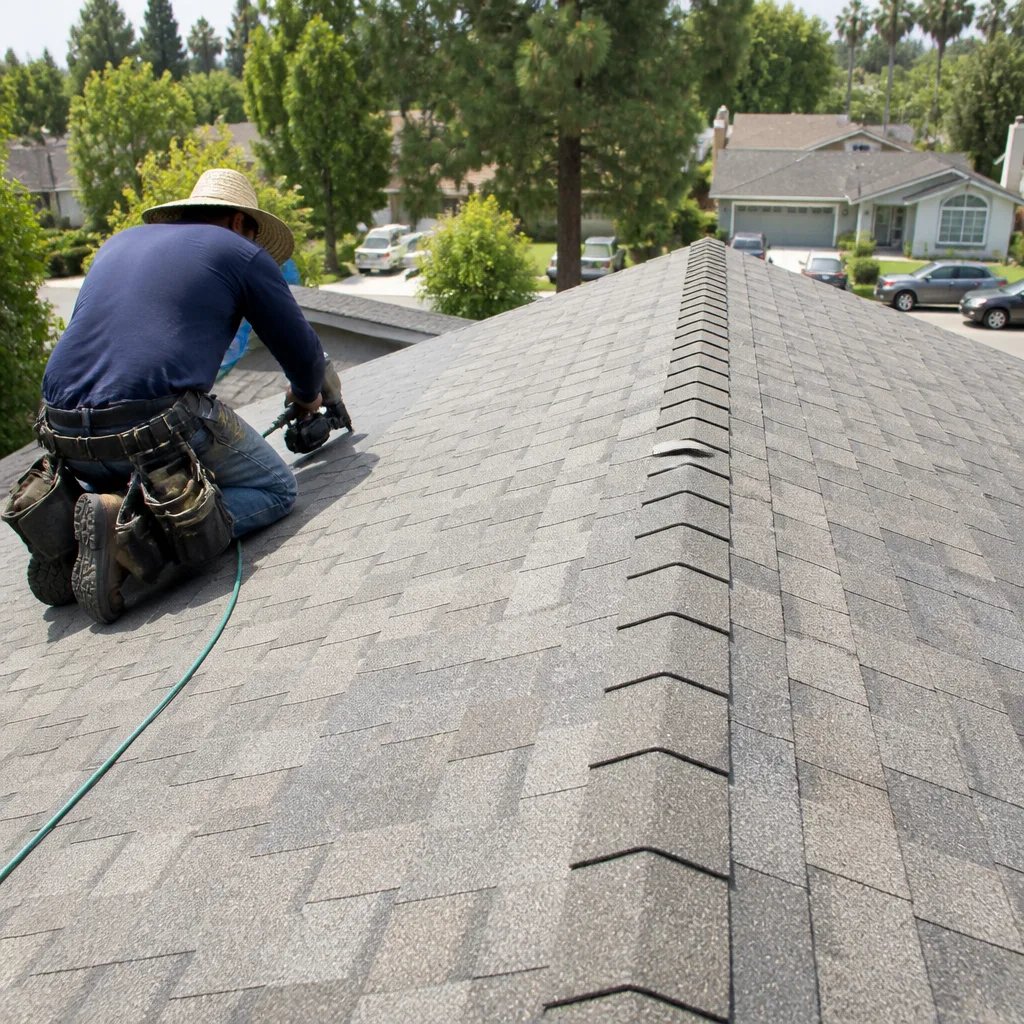
See the difference
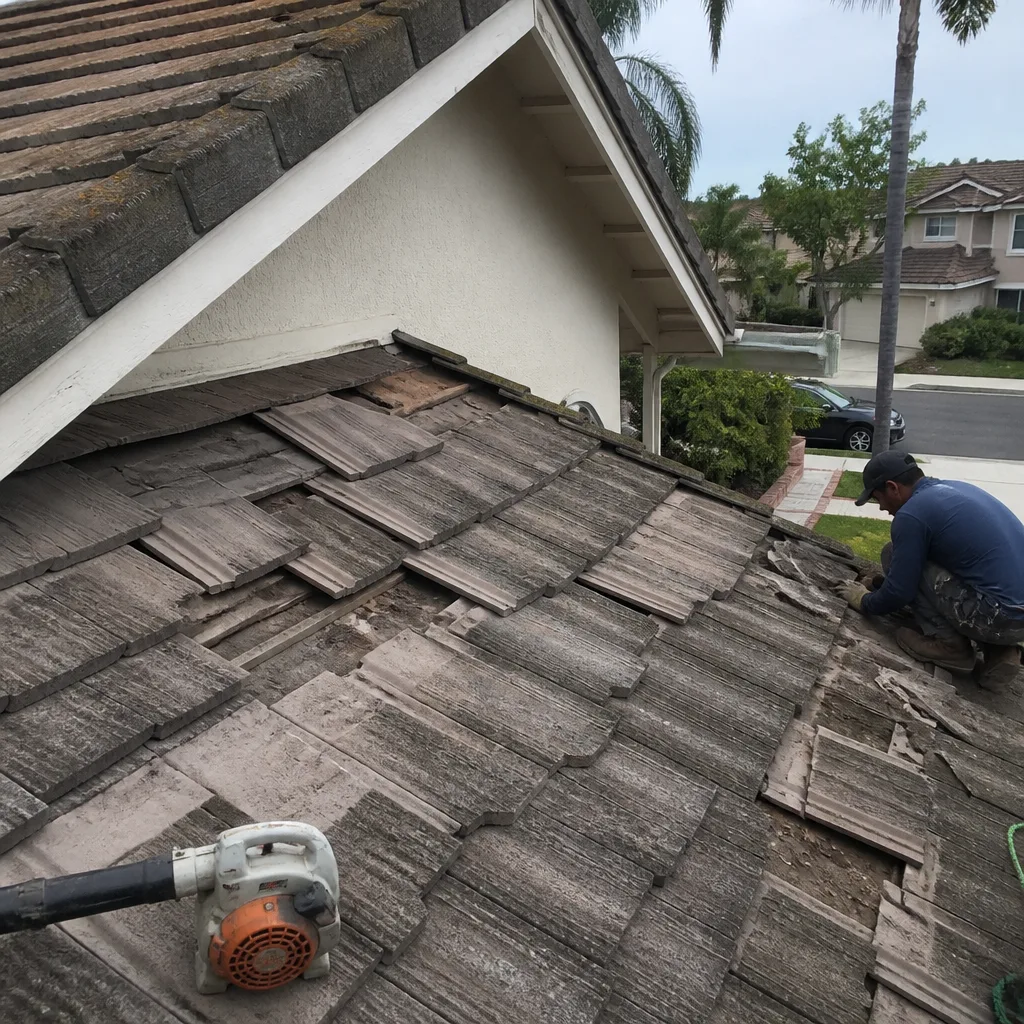 Before
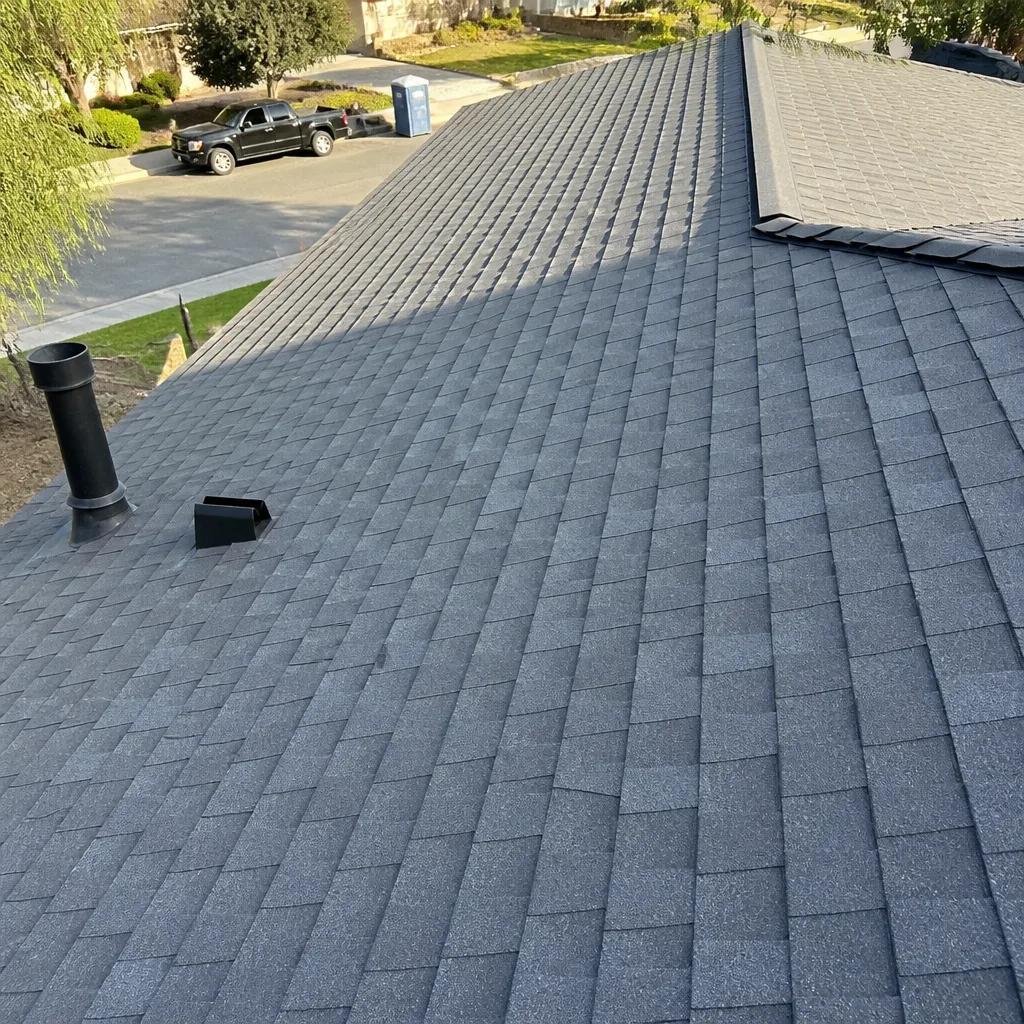 After
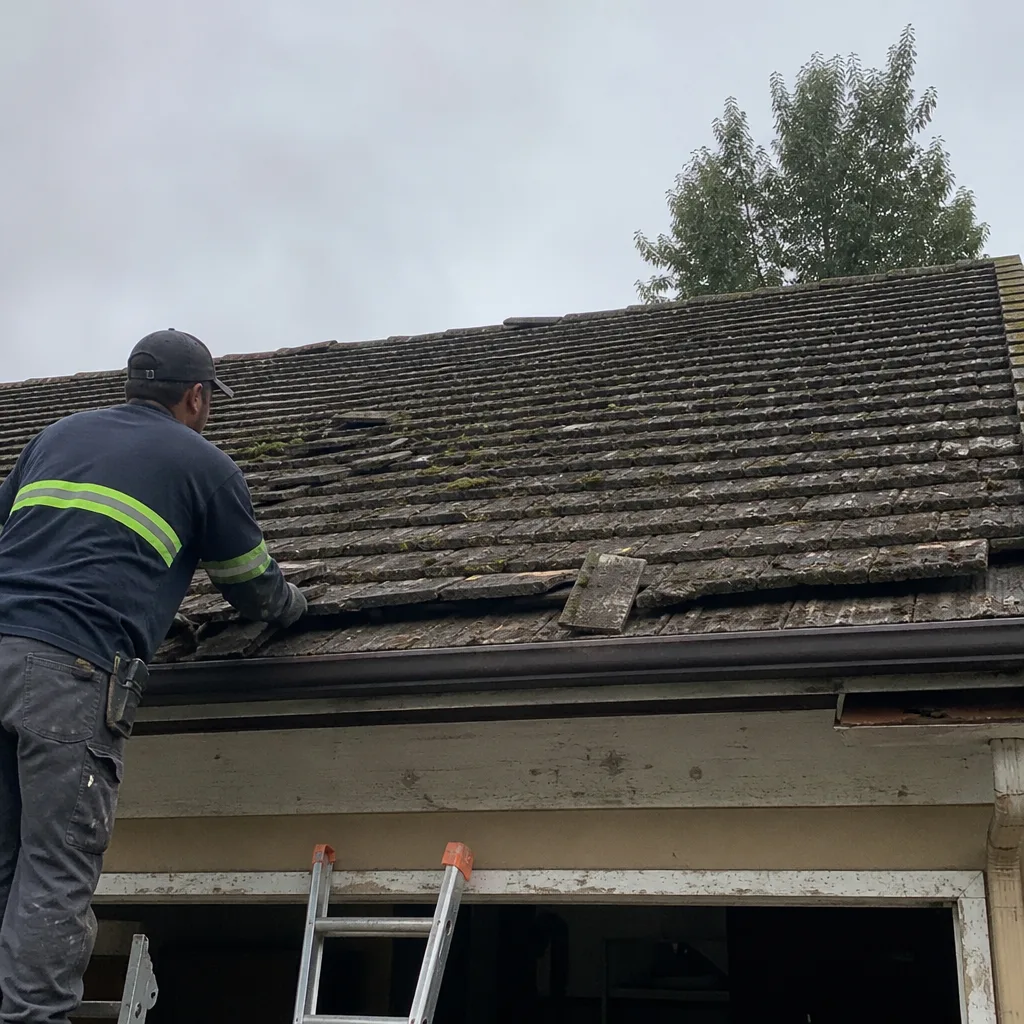 Before
 After
 Before
 After
Common Roof Repair Problems We See in San Marino Homes
- UV-degraded underlayment under original clay tile. The San Gabriel Valley sun bakes the felt underlayment until it cracks, and the first storm reveals it. The tile itself is usually fine, which is why this is a repair job, not a replacement job.
- Lifted tiles from Santa Ana winds. Wind gets under the barrel profile and lifts tiles at the eaves and ridges. Once one tile shifts, the flashing beneath it is exposed and the next rain finds the opening.
- Corroded fasteners on older tile runs. Many original roofs used electro-galvanized nails or wire. After eighty or ninety years of thermal movement, those fasteners fail and tiles shift. We replace them with stainless-steel fasteners rated for tile application.
- Failed valley flashing. Valleys concentrate water flow on the complex rooflines common to San Marino’s period-revival homes. Original valley metal corrodes, and the leak appears far from the valley itself.
Pricing for Roof Repair in San Marino, CA
Most roof repairs in San Marino fall between $450 and $2,800. A simple vent boot replacement is on the low end. A re-lay of a tile section with new underlayment across a full slope is on the high end. The difference depends on how much tile has to be lifted, whether the decking is still sound, and how much flashing needs to be replaced. For a full tile-preservation re-lay with new underlayment across a 1,000 square foot slope, San Marino pricing typically runs $8,000 to $15,000. That’s the real cost of preserving the original roof rather than replacing it. It’s also usually less than half the cost of a new clay tile system. Every estimate is free and written line-item, so you’ll know exactly what everything costs before you approve any work. Call (866) 650-8319 to schedule one.
We Also Serve Cities Near San Marino
Gable Roof Repair serves homeowners throughout the western San Gabriel Valley. If you’re in San Gabriel, East San Gabriel, Alhambra, or East Pasadena, our Roof Repair in San Marino team covers those areas as well. Many of the same roof types and repair issues apply, and the same free-estimate policy follows us wherever we work.
Serving San Marino, CA — Our Local Coverage Area
We’re based in the San Marino area and know this community well. Use the map below to see our service coverage — if you’re nearby, we can almost certainly help.
FAQs About Roof Repair in San Marino
Yes. That’s the core of our Roof Repair practice in San Marino. Original clay barrel tile is often still sound after 80 or 100 years. What fails is the underlayment, fastener, or flashing beneath it. We lift the tile, replace what failed, and re-lay the original tile in its original profile. This is the preservation skill most tract-focused roofers don’t have, and it’s the default approach we recommend on San Marino’s historic homes. Call (866) 650-8319 for a free inspection and an honest recommendation.
Because San Gabriel Valley heat degrades underlayment before the storm arrives. The underlayment cracks during the dry season, and the first meaningful rain finds those cracks. The fix is to replace the failed underlayment and re-lay the existing tile, not to replace the roof. The first storm after a long dry spell is always the busiest repair week, and it’s why we recommend an inspection in the fall before the rains begin.
In many cases, yes. San Marino’s design-review process applies to roof work on many streets, especially in the estate neighborhoods with historic architecture. A like-for-like repair that preserves the existing tile profile is usually viewed favorably. A material change, like switching from clay tile to asphalt shingles, often triggers design review and may not be approved. We’re used to working within that process and can tell you what’s needed on your street. Call (866) 650-8319 and we’ll walk you through what we know about your specific area.
We use stainless-steel fasteners for tile applications on San Marino tile roofs. The original fasteners on many older estate roofs were electro-galvanized, which corrodes after decades and allows tile to shift under thermal movement. Stainless steel doesn’t fail the same way. When we re-lay original clay barrel tile, every tile gets secured with fasteners rated for tile application, not with whatever was left from the 1920s.
Coastal-spec materials cost about 15% to 30% more upfront than inland-spec equivalents. Stainless-steel fasteners, marine-grade flashing, and sealed valley metal all add cost over standard galvanized materials. But the inland-spec version fails within a decade under San Marino’s UV and Santa Ana wind cycles, and the repair costs more than the savings. We quote coastal-spec materials for San Marino because the climate demands it, not because we’re trying to upsell. Call (866) 650-8319 for an exact quote on your roof repair.
Written by Neil Drummond, Owner at Gable Roof Repair, serving San Marino and the San Gabriel Valley with preservation-first roofing expertise.