Last updated October 30, 2026
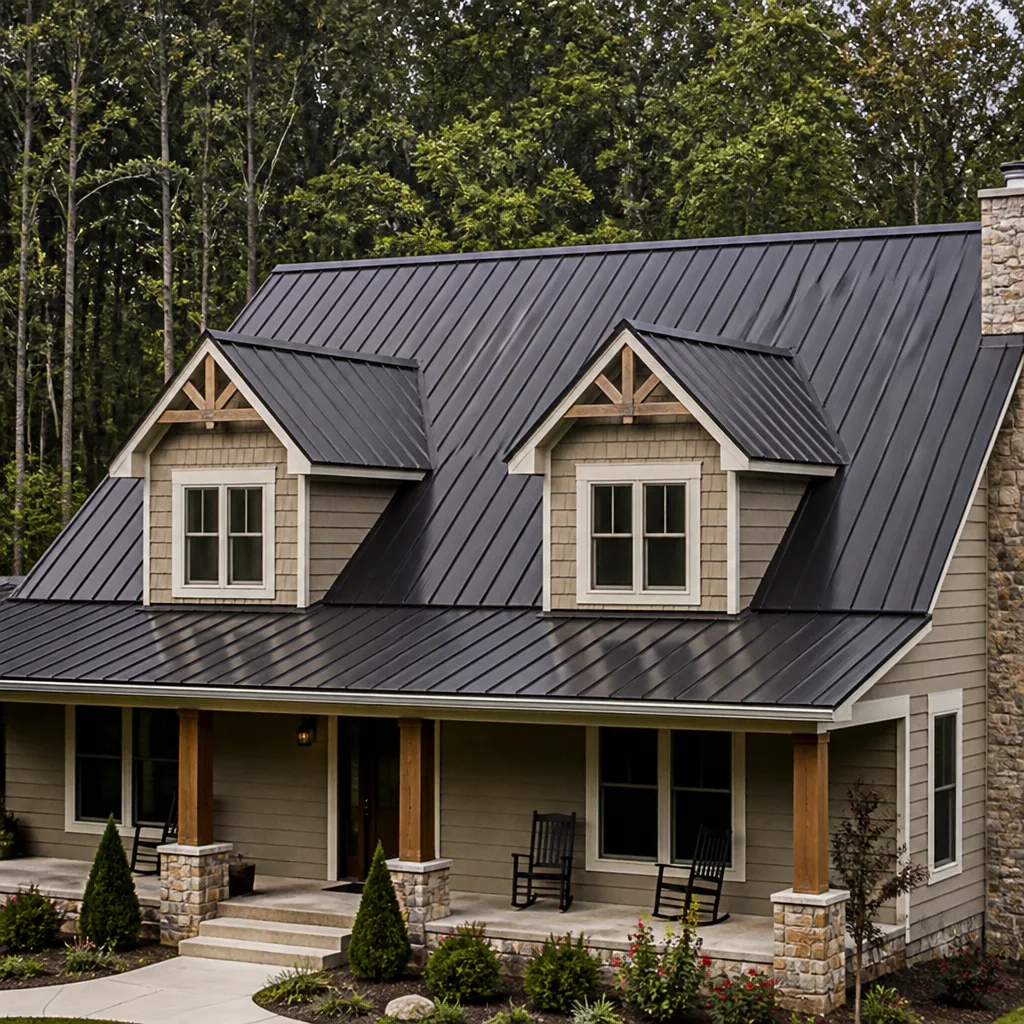 Metal roofing
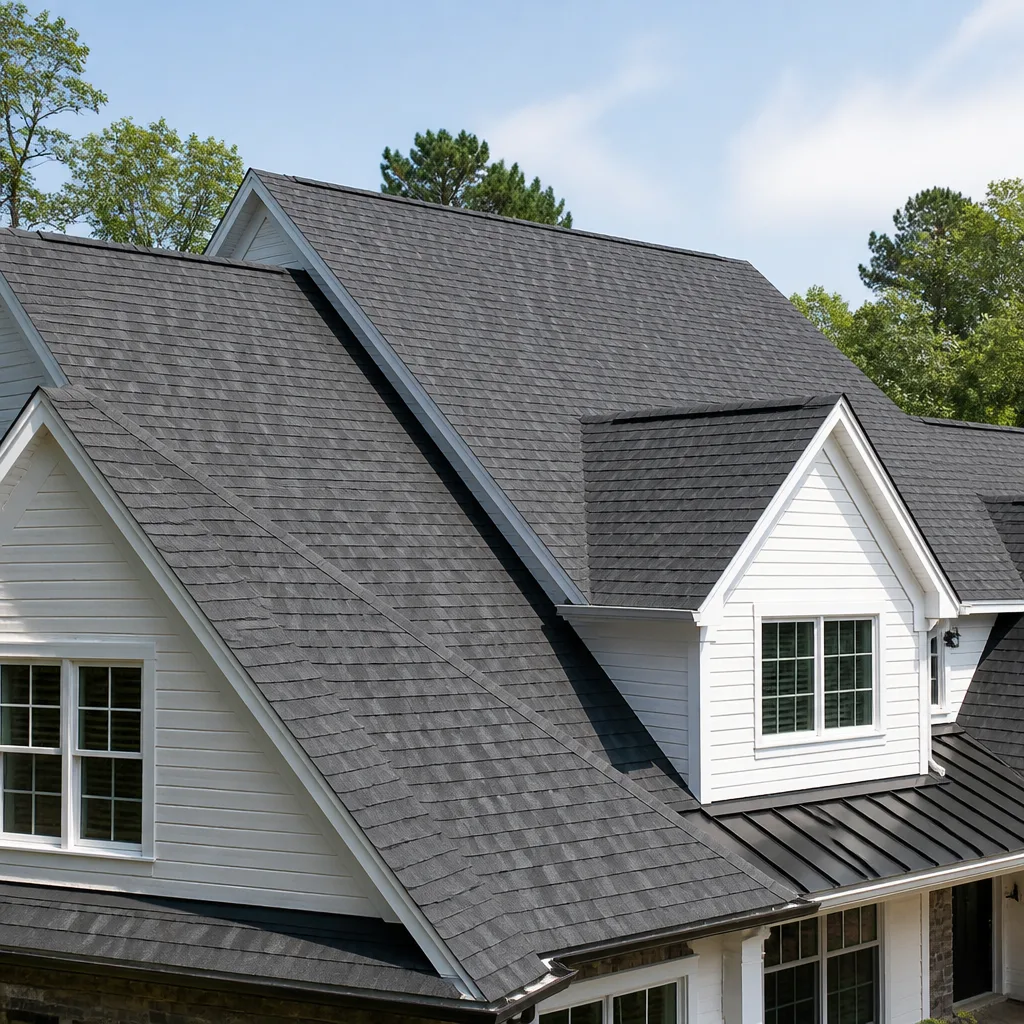 Architectural shingles
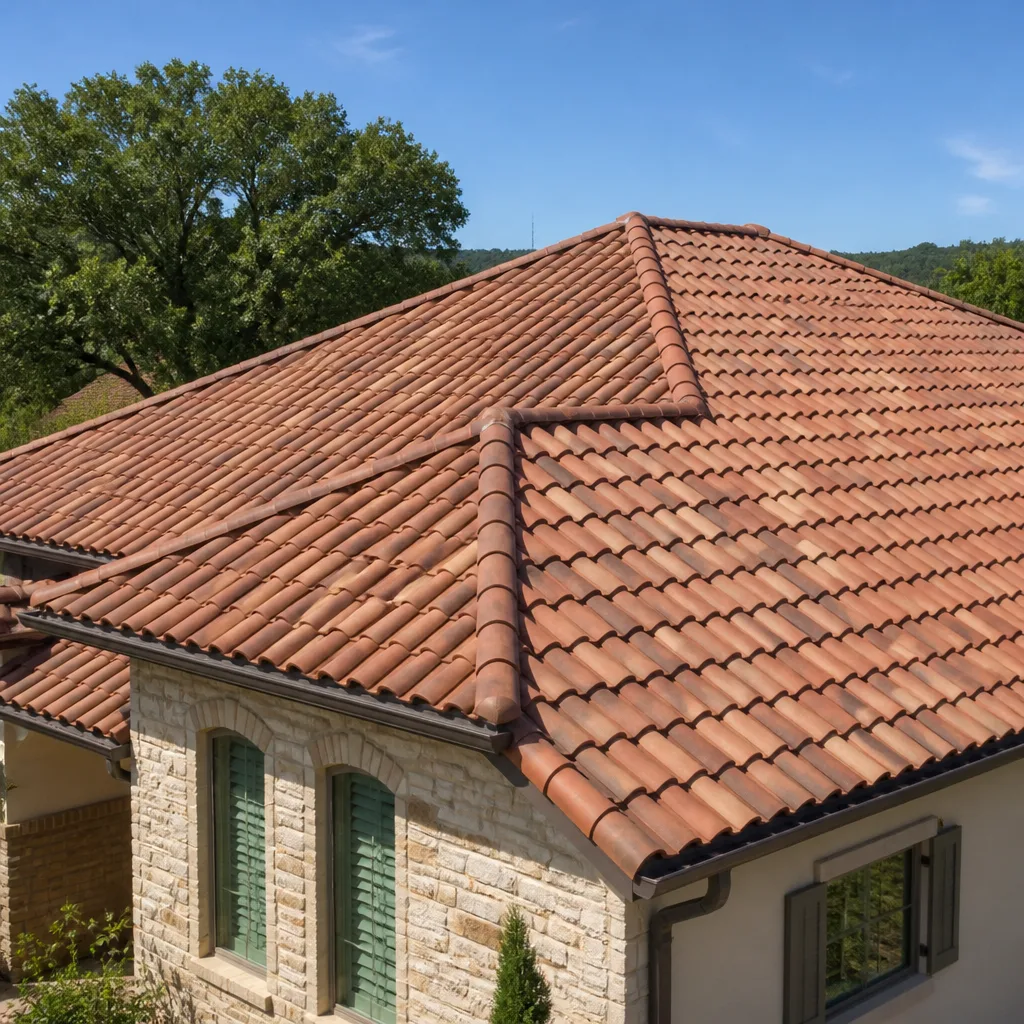 Tile roofing
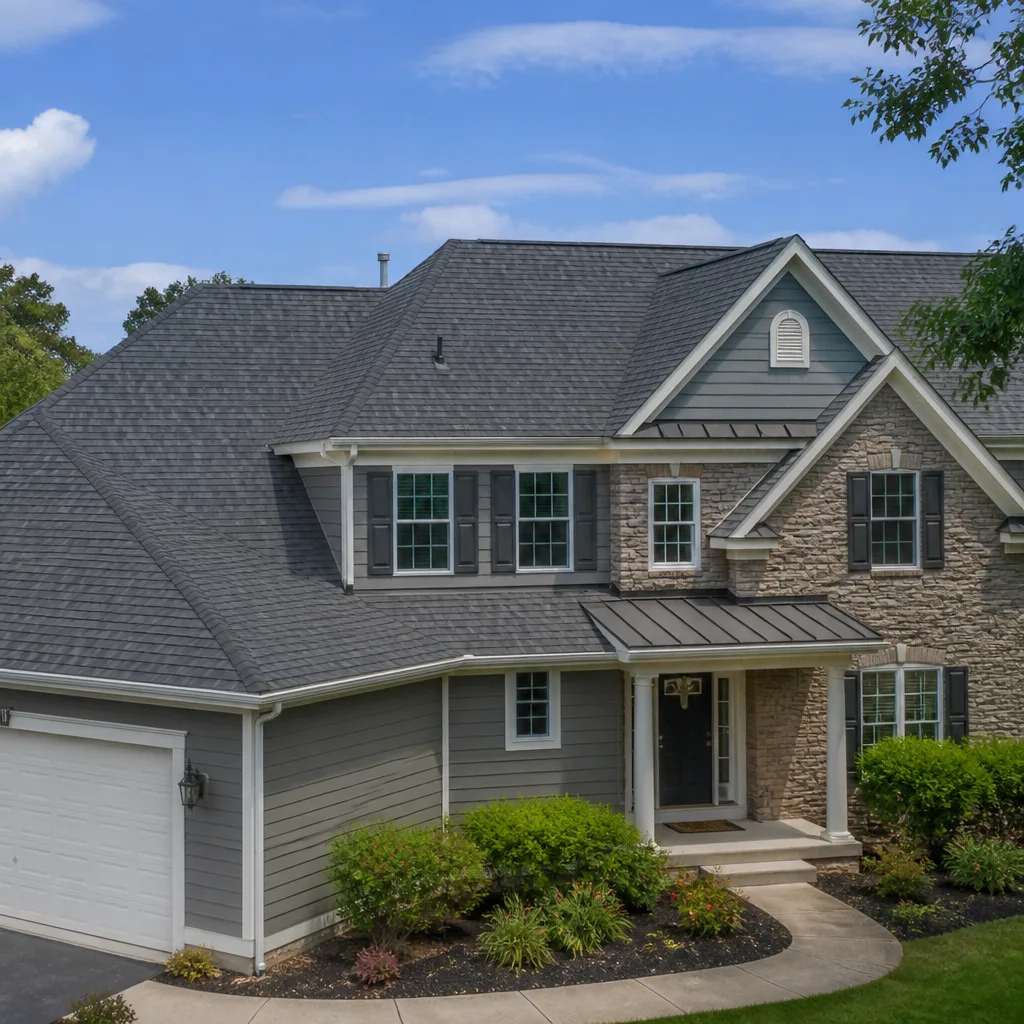 GAF
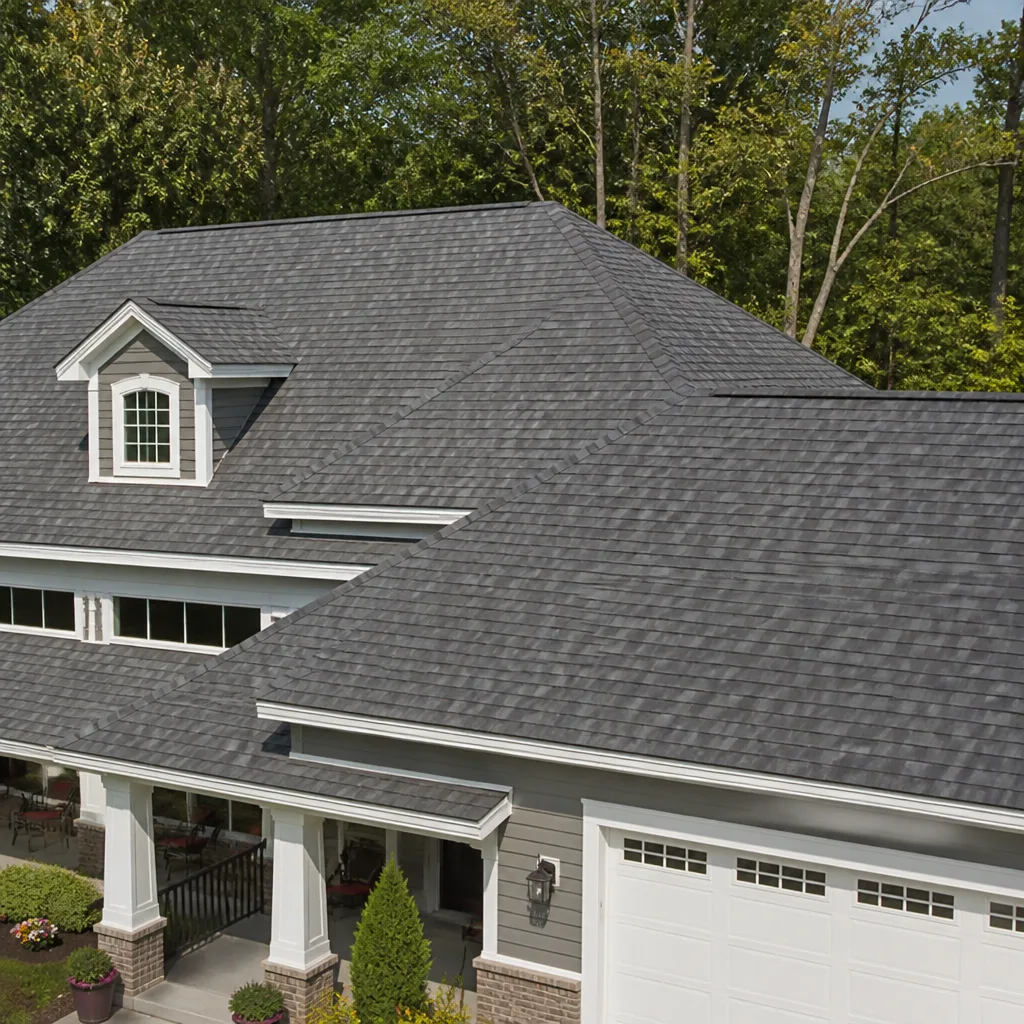 Owens Corning
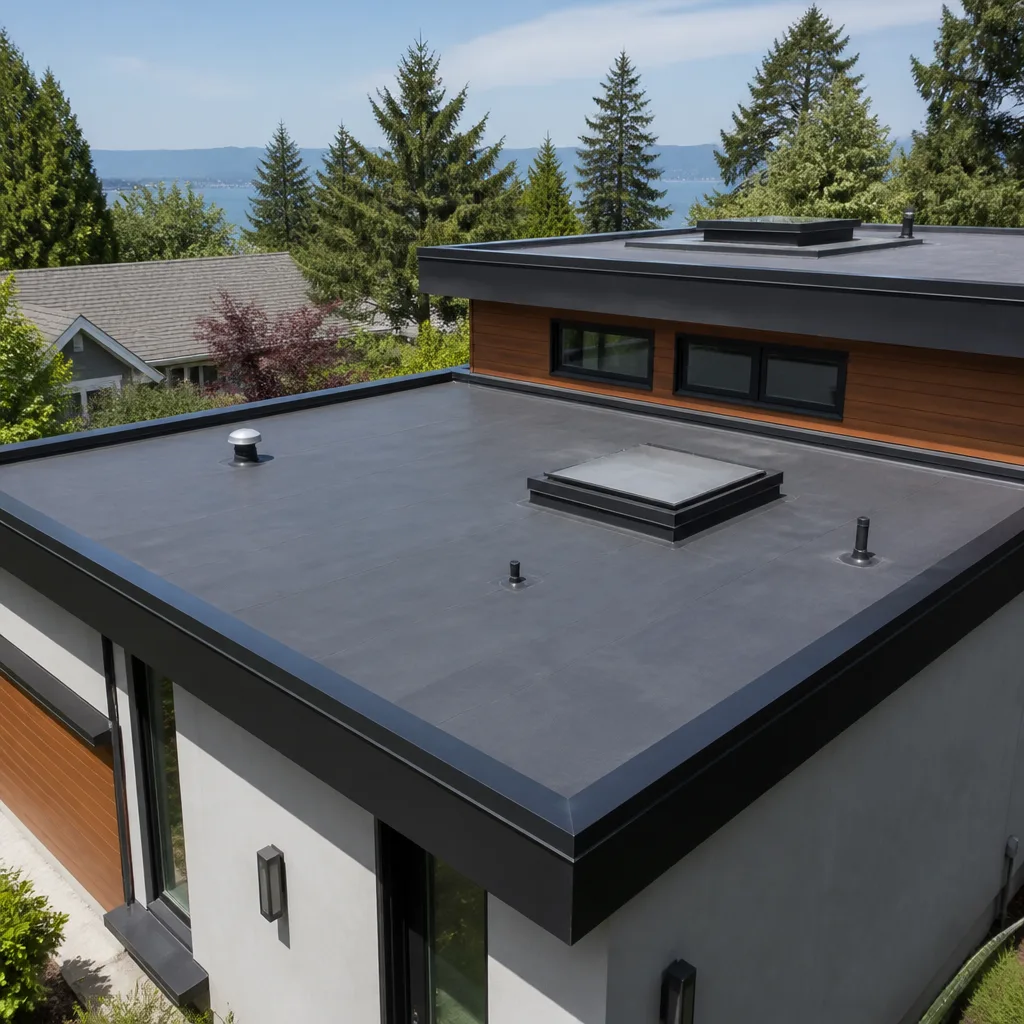 Flat & low-slope
Free roof inspection with deck photos before we talk money - GAF and Owens Corning certified installation
DIY vs Professional Roofing: The Irvine Homeowner’s Decision Guide
A homeowner who installs their own roof in Irvine can do technically competent work and still void their shingle warranty, fail a permit inspection for improper fastener pattern, and create an uninsurable condition – all without knowing any of it happened. That’s not scare tactics. It’s what we see when DIY roofing projects in Irvine come to us for correction after the fact. This guide walks through the real decision points: permit compliance, warranty fine print, insurance exposure, and the specific tasks that are genuinely safe to handle yourself versus those that quietly compromise the entire roofing system.
Quick Answer
DIY roofing in Irvine is rarely worth the risk once you account for California permit requirements, shingle manufacturer warranty conditions, and how insurance carriers treat homeowner-installed roofs during claims. The truly DIY-safe tasks are limited to gutter maintenance, minor granule-loss patching, and pipe boot caulking. Full re-roofing and structural repairs carry permit and warranty obligations that almost always make professional installation the financially rational choice, even for highly capable homeowners. If you’re evaluating contractors, read our How to Hire a Roofing Contractor in Irvine: A Step-by-Step Guide.
Styles & brands we work with
Table of Contents
- What Shingle Warranties Actually Say About Homeowner Installation
- California Permit Requirements for Roofing in Irvine
- Which Roofing Tasks Are Genuinely DIY-Safe
- The Real Cost Comparison: DIY vs Professional in Irvine’s 2026 Market
- How Insurance Carriers Treat Homeowner-Installed Roofs
- The Owner-Builder Path: Legal but Loaded with Liability
- Common Mistakes to Avoid
- When to Call a Professional
What Shingle Warranties Actually Say About Homeowner Installation
Here’s what most Irvine homeowners don’t realize until they’re filing a claim: nearly every major shingle manufacturer’s warranty includes language that voids coverage when the product is installed by anyone other than a licensed contractor. This isn’t buried in an obscure footnote. It’s in the installation instructions and warranty terms that come sealed inside every bundle of shingles.
Manufacturers like CertainTeed and Owens Corning write their warranties to protect against material defects and premature failure. But those warranties only attach when installation follows the manufacturer’s published specifications, and most explicitly state that installation must be performed by a properly licensed professional. The reasoning is simple: the manufacturer can’t control the quality of a DIY installation, and they won’t warranty a system where installation variables are unknown.
What does this mean in practical terms? If you install a CertainTeed shingle yourself and it fails prematurely due to a manufacturing defect, your warranty claim will almost certainly be denied when the manufacturer confirms the roof wasn’t professionally installed. You’re not just losing the warranty on materials. You’re absorbing the full cost of replacement labor and materials out of pocket.
At Gable Roof Repair, we work with materials from seven major manufacturers, including CertainTeed, Owens Corning, and IKO. That breadth matters because warranty terms vary by product line. Some Atlas shingles, for example, carry different wind warranties depending on whether installation used four or six nails per shingle and whether the contractor is certified with Atlas. A DIY installer who doesn’t know these distinctions installs the product correctly in a general sense but incorrectly for warranty purposes.
The warranty calculation gets more specific when you factor in Irvine’s climate. Our coastal-adjacent heat and UV exposure accelerates granule loss and shingle aging. Manufacturers account for this in warranty claims by examining installation details like ventilation, underlayment type, and fastener pattern. If any of those details fall outside spec because the installer didn’t read the full technical documentation, the claim fails. Professional installation doesn’t guarantee a claim will succeed, but it removes the most common denial reason manufacturers use.
Our philosophy is straightforward: we work with your roof’s brand, not ours. That means if you have a specific manufacturer in mind, we install to that manufacturer’s exact specifications, which keeps your warranty intact. A DIY project doesn’t have that protection, and most homeowners only discover this after the damage has already happened.
California Permit Requirements for Roofing in Irvine
Re-roofing in Irvine requires a building permit from the City of Irvine’s Building and Safety Division. This isn’t a gray area or a recommendation. California Building Code Section 105 and Irvine’s municipal code both classify roof replacement as work that requires a permit, and the city enforces it.
The permit process for a professional roofing contractor follows a predictable path. The contractor submits plans or specs, pays the permit fee, schedules inspections at the required stages, and the city verifies compliance with current California Building Code. For a re-roof, that typically means inspections for the underlayment installation, fastening, and final roof covering. The cost of the permit itself is typically factored into the contractor’s estimate.
For homeowners considering the DIY path, California does allow owner-builder permits. The legal route exists. You can pull a permit as an owner-builder, perform the work yourself, and have it inspected. But the owner-builder path carries obligations most homeowners don’t fully understand until they’re in the middle of it. Those obligations are covered in detail in the owner-builder section below. The key point here is that skipping the permit entirely creates a different kind of problem.
Unpermitted roof work in Irvine creates issues that surface at the worst possible moments. If you sell your home, California law requires disclosure of unpermitted work. Buyers and their lenders often flag this and demand correction, which typically means tearing off the unpermitted roof and starting over with permits. If your insurance carrier discovers unpermitted work during a claim, the claim can be denied regardless of whether the work was done correctly. And the city can require unpermitted work to be exposed for inspection, which means removing shingles to show what’s underneath.
In our experience performing roof replacement work across Orange County, we’ve seen unpermitted DIY roofs that were installed well enough to pass a visual inspection but were rejected the moment the city looked at fastener schedules or underlayment overlap. The permit process isn’t bureaucratic box-checking. It’s verification that the roof will perform during the next Santa Ana wind event or winter rain season.
One more Irvine-specific point: our city sits in a high-wind zone by roofing code standards. The California Building Code requires specific fastener patterns and sealing details for high-wind regions, and Irvine qualifies. A DIY installer following generic instructions from a hardware store video is almost certainly under-fastening for our wind requirements, which means the roof passes a visual check at a distance but is structurally insufficient by code.
Which Roofing Tasks Are Genuinely DIY-Safe
Let’s be balanced here. There are roofing-related tasks an Irvine homeowner can handle safely without voiding warranties, without triggering permit requirements, and without creating code violations. These tasks sit at the boundary of roofing and general home maintenance. They don’t involve the roof’s waterproofing system in a way that could compromise the structure if done imperfectly.
Tasks You Can Do Yourself
- Gutter cleaning and maintenance: Clearing gutters in Irvine matters because our winter rains arrive suddenly after long dry periods, and clogged gutters back water into the roof edge. This is a maintenance task with no permit or warranty implications.
- Pipe boot caulking: The rubber boot around a plumbing vent can crack over time in Irvine’s UV exposure. Applying a compatible sealant around the base is a reasonable DIY task, though you should inspect the boot itself for tears that require replacement.
- Minor granule-loss patching: If a small area has lost granules and the shingle is still structurally sound, applying an appropriate roofing sealant can extend its life. This is a temporary measure, not a permanent repair.
- Visual inspection from the ground: Walking your property and looking for obvious issues, missing shingles after wind events, sagging areas, or visible water stains on soffits, is valuable DIY work. You’re gathering information, not performing repairs.
- Flashing sealant touch-ups: Small gaps in exposed flashing can sometimes be addressed with roofing-grade sealant. This works for minor gaps but doesn’t substitute for proper flashing replacement when the flashing itself is damaged.
Tasks That Require Professional Installation
Any task that involves removing or installing roofing material, modifying the roof structure, or working with the underlayment carries warranty and permit implications. This includes full re-roofing, partial re-roofing beyond a few shingles, any work involving the roof deck, any modification to flashing systems, and any repair that requires removing more than a handful of shingles. The line isn’t about skill. It’s about the system-level consequences when the work is imperfect.
If you’re uncertain whether a task is DIY-safe, call a professional for an independent roof inspection first. A standalone inspection separates diagnosis from any sales motivation, which is why we offer it as a distinct service rather than bundling it into a replacement pitch.
The Real Cost Comparison: DIY vs Professional in Irvine’s 2026 Market
The DIY cost argument usually starts and ends with materials. A homeowner sees shingles priced at $120 per square and multiplies by their roof’s square count, then compares that to a professional quote of $500 per square and concludes the contractor is overcharging. That math is wrong in ways that matter.
Here’s what the actual comparison looks like for a typical 2,200-square-foot Irvine home with a 30-square roof in 2026:
DIY Material-Only Cost Estimate
- Shingles (architectural, mid-tier): $4,200 to $6,500 depending on brand and product line
- Underlayment (synthetic, code-compliant): $650 to $900
- Fasteners, flashing, vents, sealants: $500 to $800
- Tool rental (nail guns, compressor, safety harness): $400 to $600 per week
- Safety equipment (harness, brackets, toe boards): $250 to $450
- Dumpster rental for tear-off debris: $600 to $900
- Permit fees (owner-builder): $400 to $700 depending on scope
- Total DIY material and equipment cost: $7,000 to $10,850
Professional Installed Cost Estimate (Irvine Market)
- Complete tear-off and re-roof (mid-tier architectural shingle): $13,000 to $19,000 depending on roof complexity, pitch, access, and chosen material
- Includes: labor, materials, disposal, permit fees, safety equipment, contractor overhead, workmanship warranty
The gap between DIY material cost and professional installed cost looks like savings of $4,000 to $8,000. But the DIY number omits the cost of correcting mistakes. When a DIY roof fails inspection, the homeowner pays twice: once for the original work, then again for corrections. When a DIY roof fails prematurely, the homeowner pays for full replacement because no warranty covers the materials. When a DIY installer gets injured, the medical costs are on the homeowner’s own insurance. None of those scenarios are hypothetical. We see them regularly in Irvine.
Professional installation also includes something the DIY number can’t capture: the contractor’s workmanship warranty. Our work carries workmanship coverage in addition to the manufacturer’s material warranty. If installation defects appear, the correction is on us. A DIY installation has no such backstop.
One more point on materials. The seven brands we work with, including Atlas and Tamko, span value to premium tiers. A professional quote isn’t a single-price proposition. It’s a range based on what you choose, and that choice is real. The material difference between a value-tier and premium-tier shingle on a 30-square roof can be $2,000 or more, and that’s a conversation worth having with someone who understands the trade-offs across brands rather than a single-brand pitch.
How Insurance Carriers Treat Homeowner-Installed Roofs
California homeowners insurance carriers assess roof condition as part of policy underwriting and renewal. In recent years, carriers have become more aggressive about roof age and condition, and Irvine homeowners have felt this directly. What fewer homeowners know is that installation source can also factor into how a carrier evaluates risk.
When a claim is filed for roof damage, whether from wind, hail, or water intrusion, the adjuster’s report includes installation details. If the adjuster determines the roof was homeowner-installed, the carrier may scrutinize the claim more closely. The reasoning is simple: a professionally installed roof follows code and manufacturer specifications, while a DIY roof carries unknown installation quality. Carriers price risk based on what they can verify.
Specific scenarios we’ve seen unfold in Irvine:
- Wind damage claims: A carrier denies a wind damage claim on a DIY roof because the adjuster found fastener patterns that didn’t meet high-wind code requirements. The homeowner argues the wind was exceptional. The carrier points to improper installation as the cause of failure. The claim fails.
- Water intrusion claims: A carrier approves a water damage claim for interior repairs but excludes roof repairs because the roof was homeowner-installed and the carrier considers the installation defective. The homeowner pays for the roof work out of pocket while the carrier covers drywall and flooring.
- Policy renewal: A carrier refuses to renew a policy after a claims history reveals the roof was unpermitted and DIY-installed. The homeowner then faces the California FAIR Plan at significantly higher premiums.
The practical takeaway isn’t that DIY roofing makes a house uninsurable. It’s that DIY roofing introduces claim risk that professional installation removes. When a professional contractor installs the roof, the permit record exists, the inspection passed, and the contractor’s license and insurance are on file. The carrier can verify the work. That verification is asset in a claim scenario.
If you’re considering a DIY roof specifically to save money on a home you plan to keep long-term, factor in the insurance implications. The savings on installation can be consumed by a single denied claim or a renewal rejection. A professional roof repair or replacement creates a documented installation history that carriers can verify.
The Owner-Builder Path: Legal but Loaded with Liability
California law allows homeowners to act as owner-builders, pulling their own permits and performing work on their own residence. This is a legitimate legal pathway, and some Irvine homeowners take it. But the owner-builder path carries legal and financial obligations that extend far beyond the construction itself.
Under California law, an owner-builder who performs work on their own home takes on the same liability a licensed contractor would carry for that work. If you sell the home within a certain timeframe, you’re required to disclose owner-builder work. More significantly, California Civil Code Section 896 requires that new residential construction include specific warranties from the builder to the buyer. An owner-builder who sells a home becomes the warrantor for the work, regardless of whether the work was done correctly.
The disclosure requirements are mandatory and specific. When you sell an Irvine home with owner-builder roofing work, you must disclose that the roof was owner-built. This disclosure often triggers additional buyer scrutiny, lender requirements, and in some cases, pre-sale inspections that can reveal issues requiring correction before the sale proceeds. The cost of corrections at that point is non-negotiable because the buyer holds the leverage.
Here’s the numbered reality of what the owner-builder path requires:
- Permit application with owner-builder declaration: You sign documents acknowledging your liability and your obligation to comply with all building codes.
- Code compliance responsibility: You are responsible for knowing and meeting the California Building Code requirements for roofing. Ignorance of the code is not a defense during inspection.
- Inspection scheduling and passage: You schedule inspections and must pass them. Failed inspections require correction and re-inspection, each carrying fees and time delays.
- Ongoing liability exposure: Even after the home sells, California law can hold the owner-builder responsible for construction defects discovered later, subject to statutes of limitation.
- Financing complications: Lenders often scrutinize owner-builder work during refinances and sales. An owner-built roof may trigger additional appraisal requirements or lending conditions.
None of this means the owner-builder path is impossible. It means the economics change when you account for the liability you’re assuming. A professional contractor carries their own insurance and warranty obligations. An owner-builder carries them personally. For a roof, which is the single most important protective system on your Irvine home, that personal liability is significant. Inspection first, recommendation second. That’s the principle we apply, and it applies to the owner-builder decision as much as to repair versus replacement decisions.
Common Mistakes to Avoid
- Skipping the permit to save the fee: The City of Irvine permit fee is a small fraction of what unpermitted work costs when discovered during a sale or claim. The correction cost always exceeds the avoided fee.
- Ignoring the high-wind fastener requirements: Irvine sits in a high-wind code zone, and generic DIY roofing guides rarely address our specific fastener pattern needs. Under-fastened roofs pass visual checks but fail during Santa Ana winds.
- Installing new shingles over old ones without checking the deck: California building code restricts overlays, and Irvine’s aging housing stock often has deck issues that need addressing first. Shingles over a deteriorating deck is a warranty void and a future failure.
- Using the wrong underlayment for Irvine’s climate: Our drought-to-deluge rain patterns mean underlayment must handle long dry spells followed by sudden heavy water. The cheapest underlayment is almost never the right choice here.
- Assuming all shingle warranties are the same: Warranty terms vary significantly across certainTeed, Owens Corning, IKO, Atlas, and other brands. Some require specific installation details for warranty attachment. Generic product knowledge voids premium coverage.
- Underestimating roof pitch and safety requirements: Many Irvine homes have steep pitches that require fall protection equipment. A DIY installer without proper safety gear is risking serious injury, and the safety equipment cost should be factored into any DIY calculation.
- Treating the roof as a single component: A roof is a system: deck, underlayment, flashing, ventilation, shingles. DIY projects that address only the visible shingle layer fail to address system issues that professional installation would catch.
When to Call a Professional
Call a professional when any of these conditions apply: your roof is more than 15 years old and showing granule loss, you’ve had water intrusion after rain, you’re planning to sell within five years and want clean disclosure, your insurance carrier has flagged your roof condition, you’ve noticed sagging or uneven roof lines, or you’re considering a full re-roof of any kind. These situations all involve warranty, permit, or insurance implications that favor professional installation. Gable Roof Repair offers free estimates in Irvine, and we can be reached at (866) 650-8319. Repair when it makes sense, replace when it’s right. That’s the standard we apply to every roof we evaluate, and it’s the standard you should apply to the DIY decision.
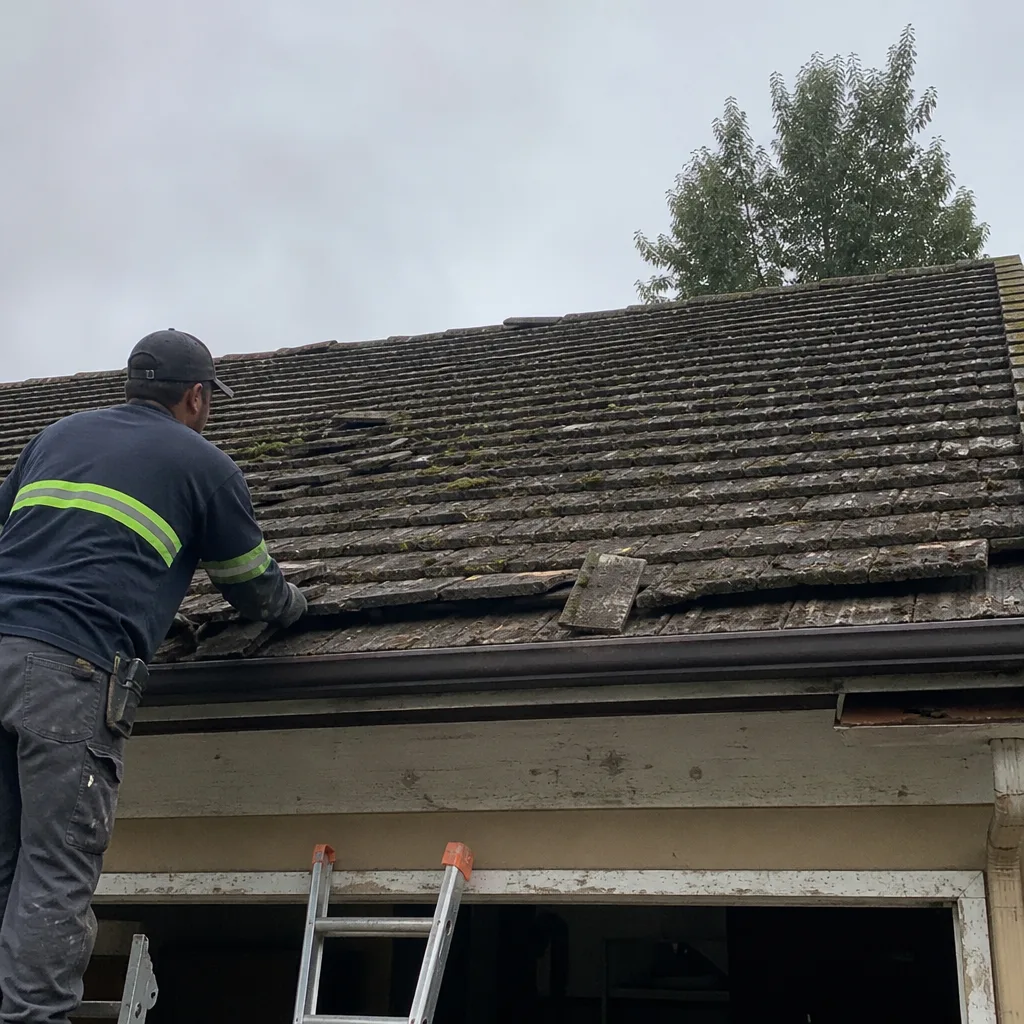
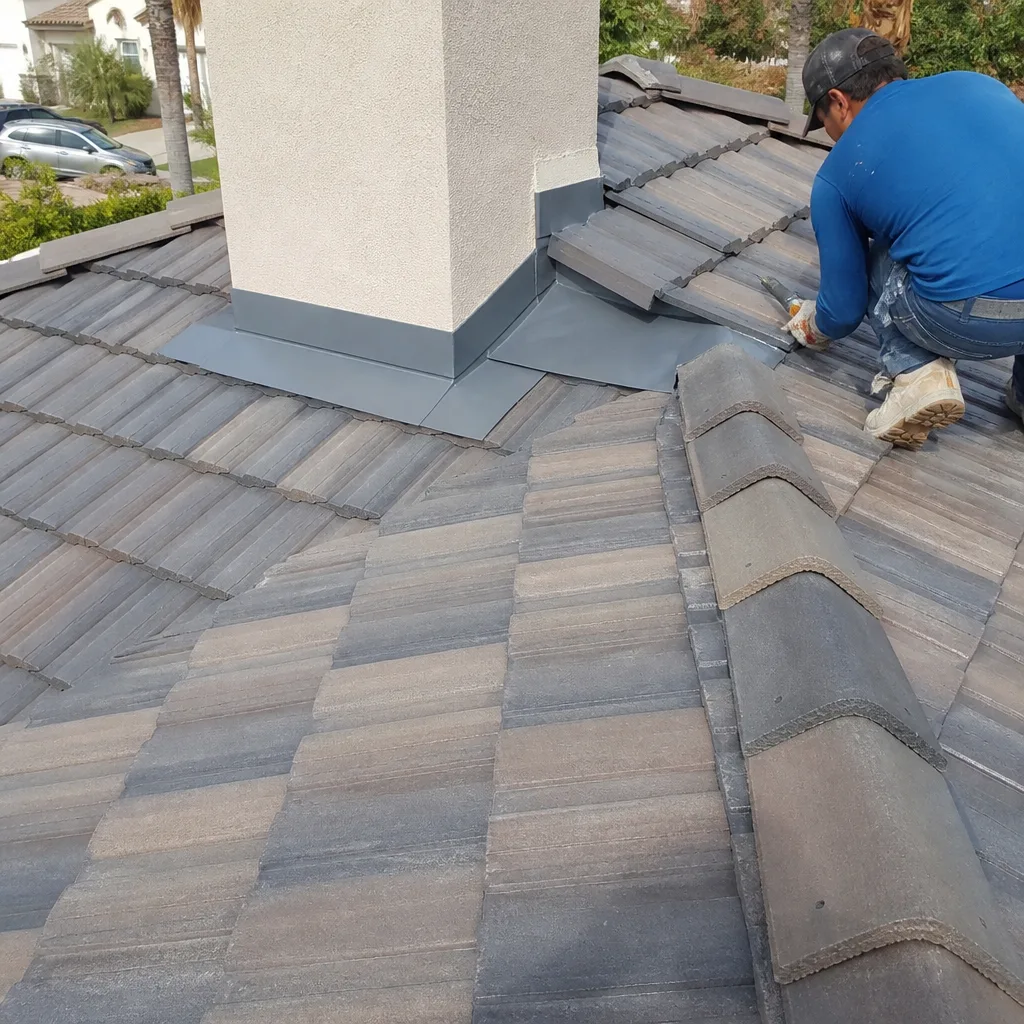
See the difference
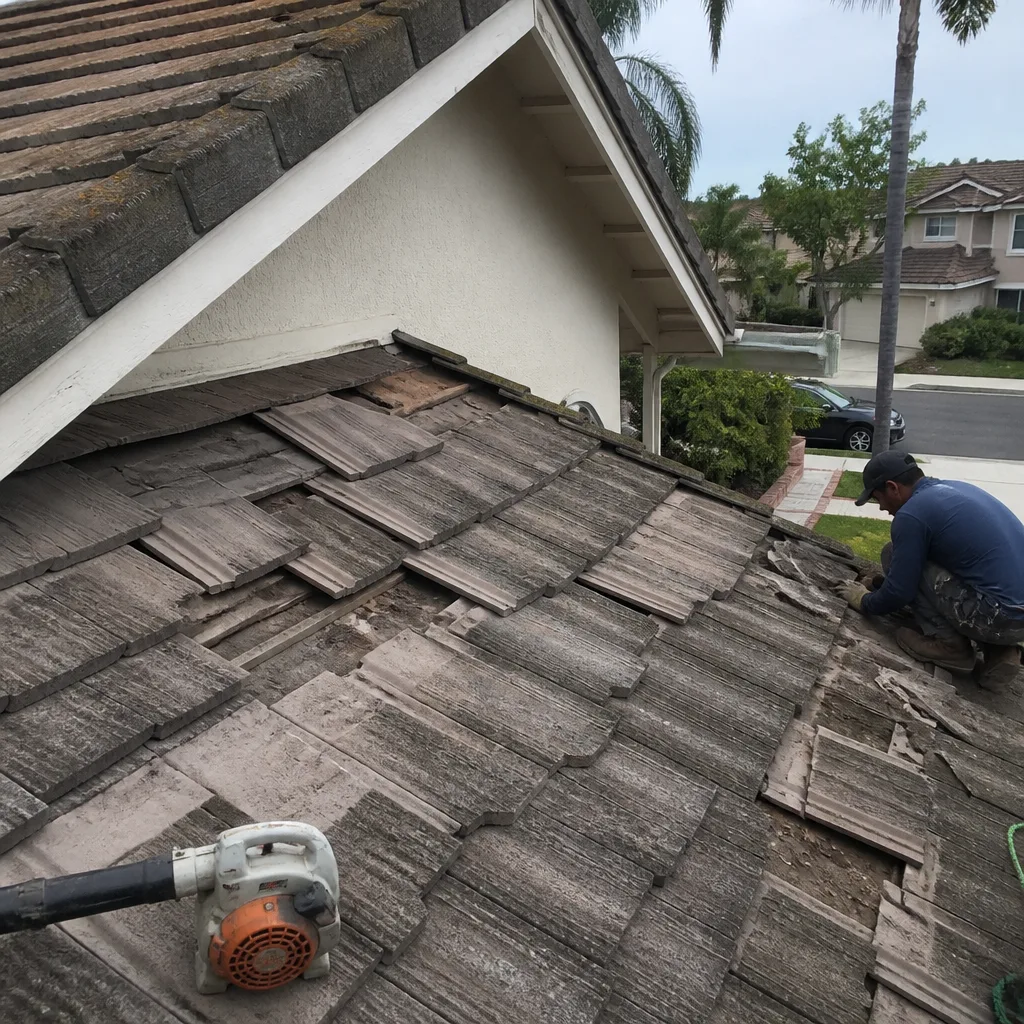 Before
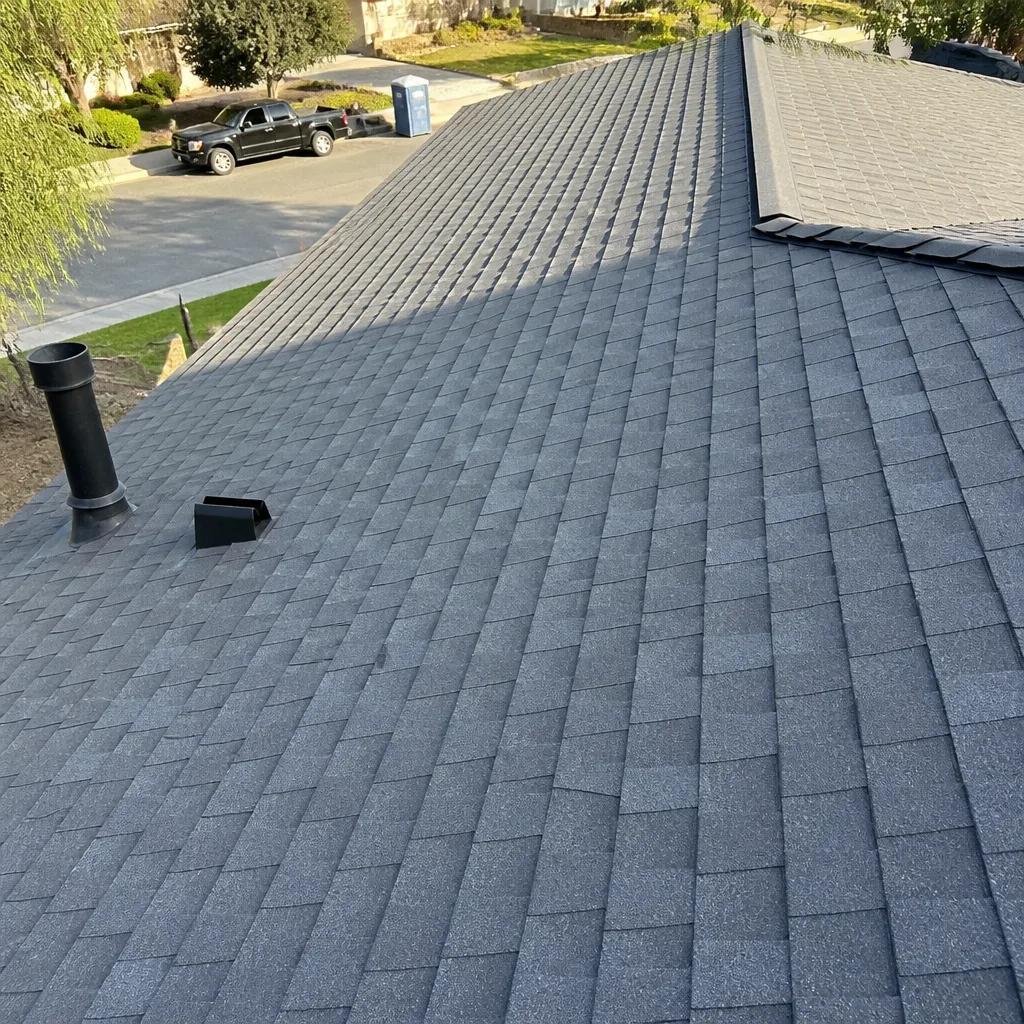 After
 Before
 After
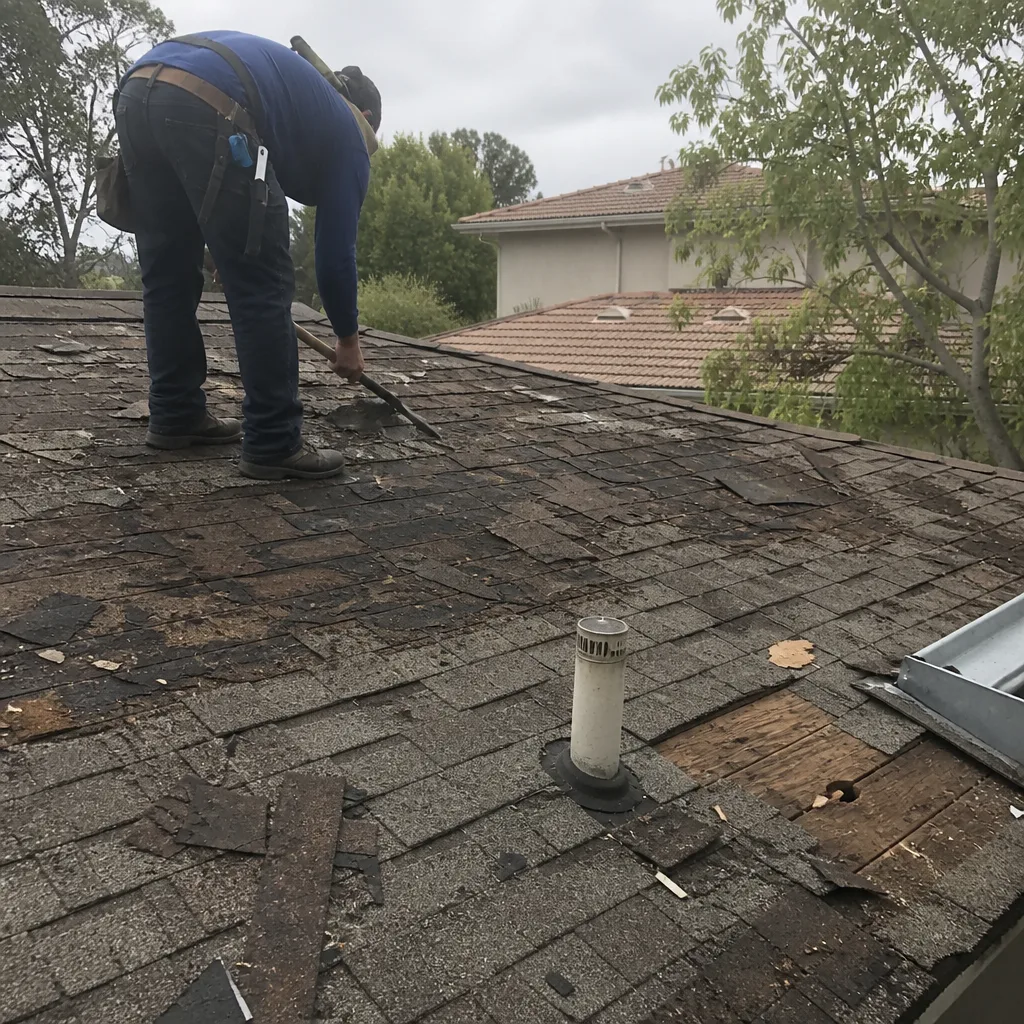 Before
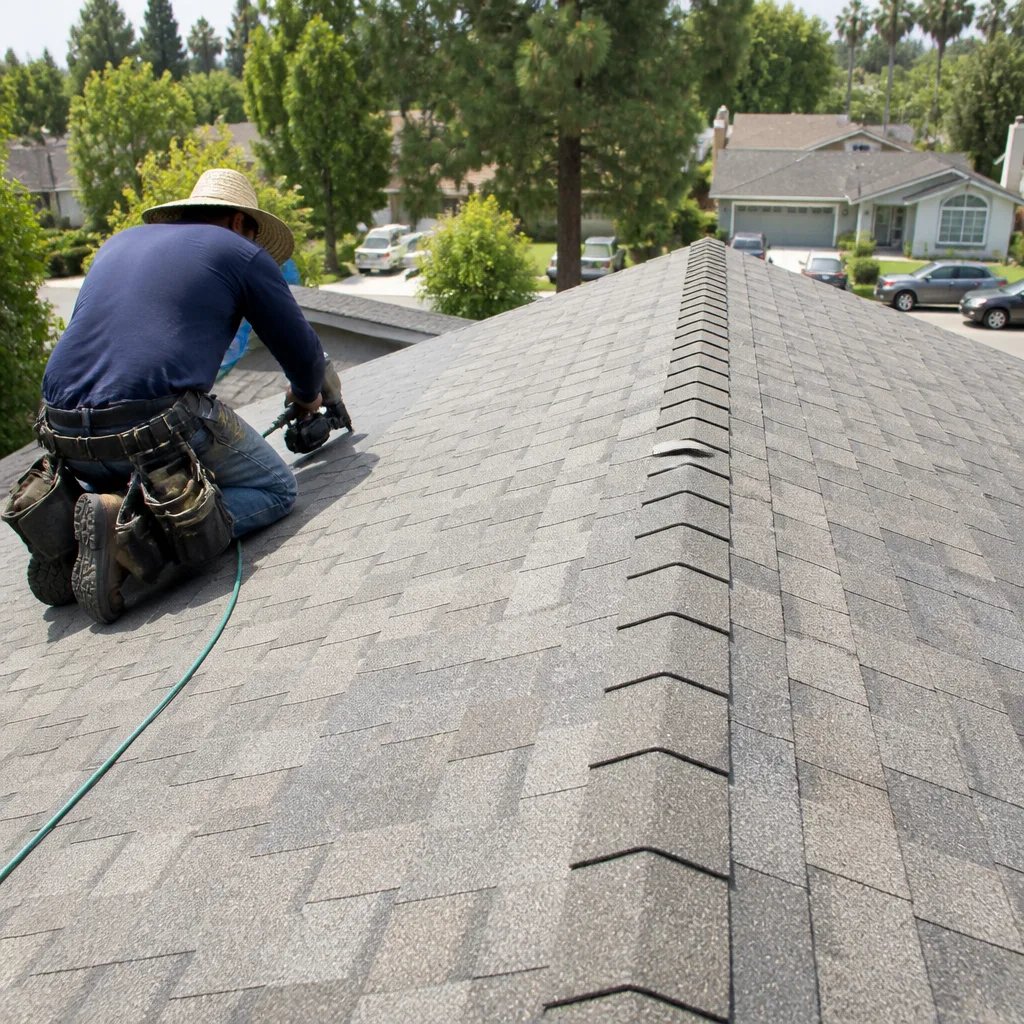 After
Frequently Asked Questions
A professional roof replacement in Irvine typically costs between $13,000 and $19,000 for a standard 2,200-square-foot home with architectural shingles, with the range driven by material choice, roof pitch, complexity, and access. Getting an exact quote for your specific roof is free, and we’ll walk you through the material and scope decisions that affect your price. Call (866) 650-8319 for a line-item estimate.
Yes, California law allows owner-builder permits for roofing work on your own residence, but the legal pathway comes with disclosure obligations, liability exposure, and code compliance responsibility that most homeowners underestimate. The legal question isn’t whether you can, it’s whether the liability you assume makes financial sense, and for full re-roofs it usually doesn’t.
Most major shingle manufacturers, including CertainTeed, Owens Corning, IKO, Atlas, and others, require licensed professional installation for warranty coverage to apply, which means a DIY installation typically voids the material warranty even if the work is done correctly. The warranty void means if the shingles fail due to a manufacturing defect, you pay for full replacement out of pocket.
Gutter cleaning, visual inspections from the ground, minor pipe boot caulking, and small granule-loss patching are reasonable DIY tasks that don’t compromise the roof system or void warranties. Any task involving shingle removal, underlayment work, flashing replacement, or structural modification should be handled by a professional.
Your insurance carrier can identify DIY roofing through permit records, inspection history, and adjuster findings during claims, and a homeowner-installed roof can affect claim outcomes and policy renewal decisions. A professional installation creates a verifiable record that supports your claim instead of undermining it.
Yes, the City of Irvine requires a building permit for roof replacement, and unpermitted roofing work creates disclosure obligations, potential claim denials, and correction requirements that cost far more than the permit fee itself. Any professional contractor you hire should handle permitting as part of the project scope.
The Bottom Line
The DIY roofing decision in Irvine comes down to three questions: can you legally do the work, can you protect your warranty and insurance position, and does the math actually work in your favor? For full re-roofing, the honest answer on all three is almost always no. For minor maintenance tasks, the DIY option is often reasonable. The key is knowing which category your project falls into. A professional inspection separates diagnosis from sales, gives you verified information about your roof’s actual condition, and helps you make a decision based on evidence rather than assumptions. That’s the standard we apply at Gable Roof Repair whether you hire us or not: your roof’s job is to protect everything underneath it, and your job is to make sure it can.
Written by the team at Gable Roof Repair home, serving Irvine since 2016.