Last updated October 30, 2026
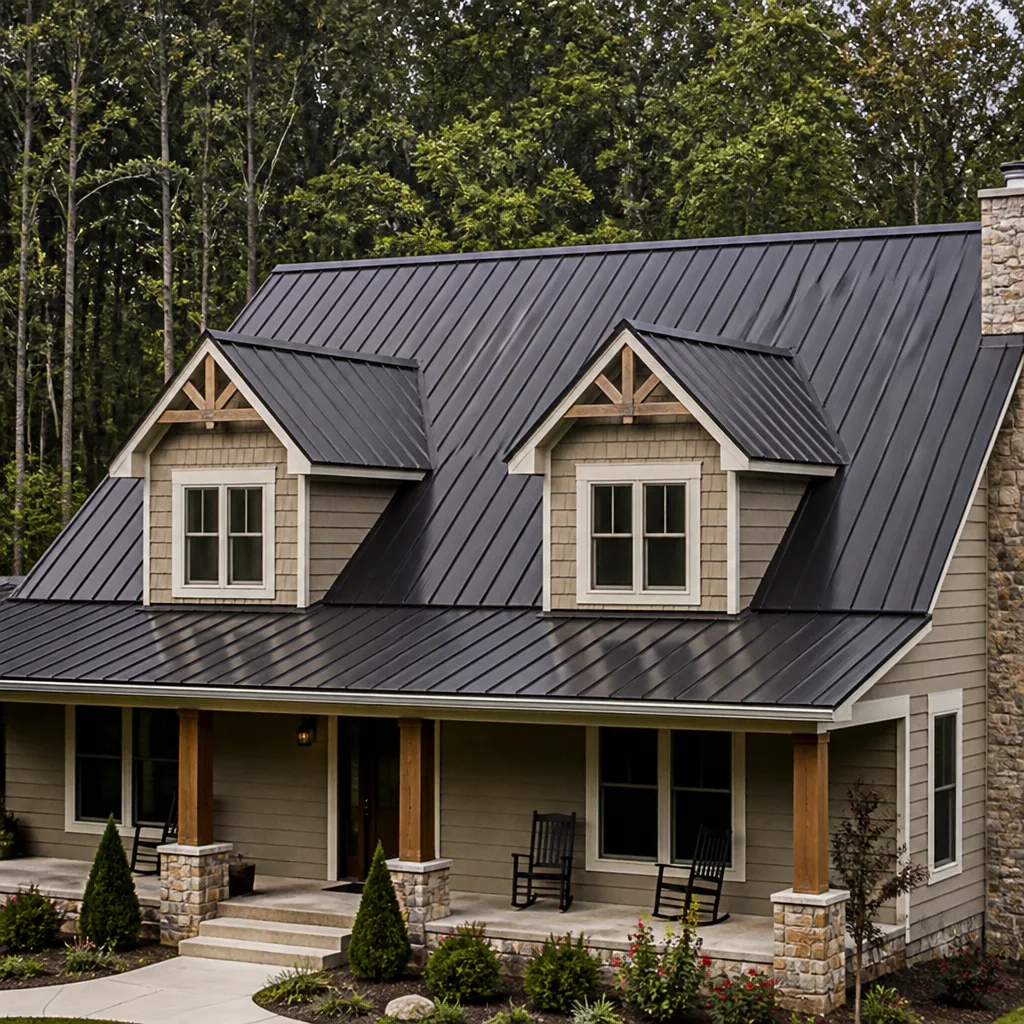 Metal roofing
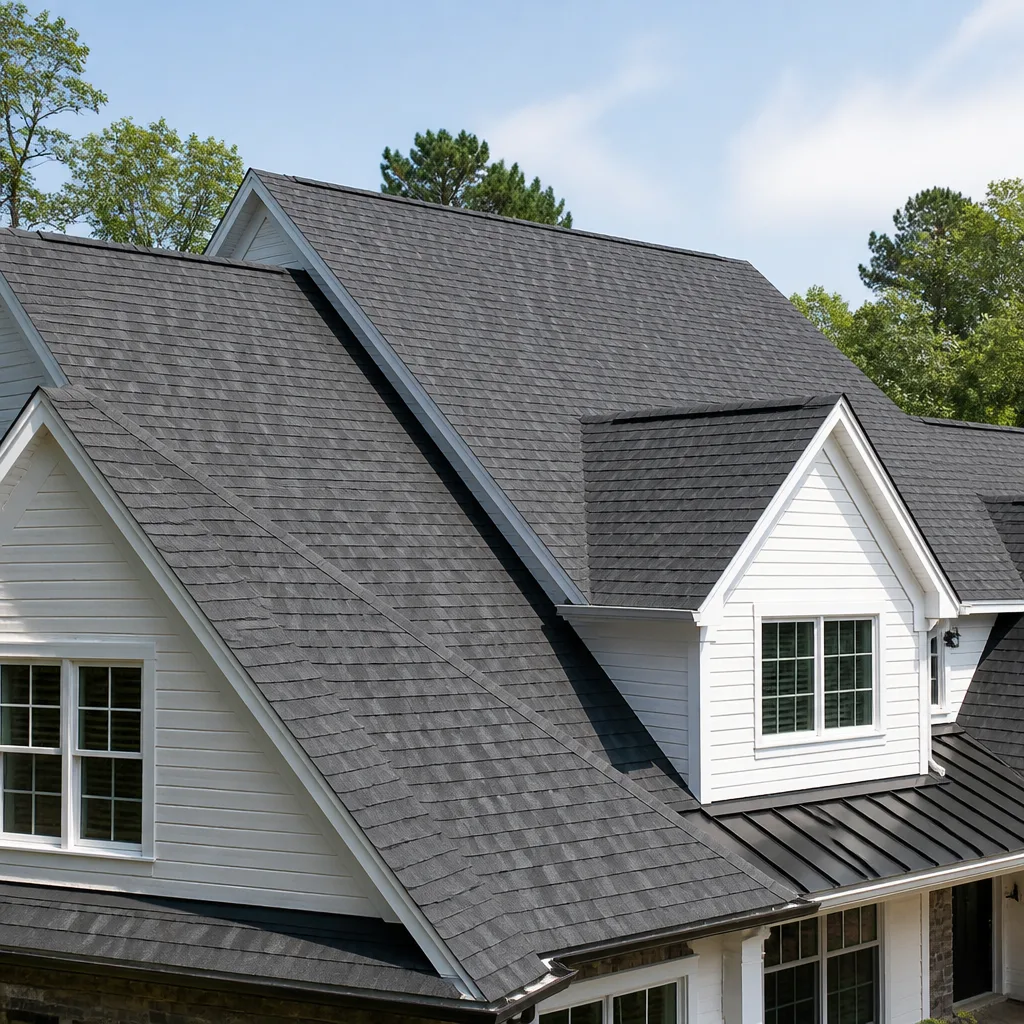 Architectural shingles
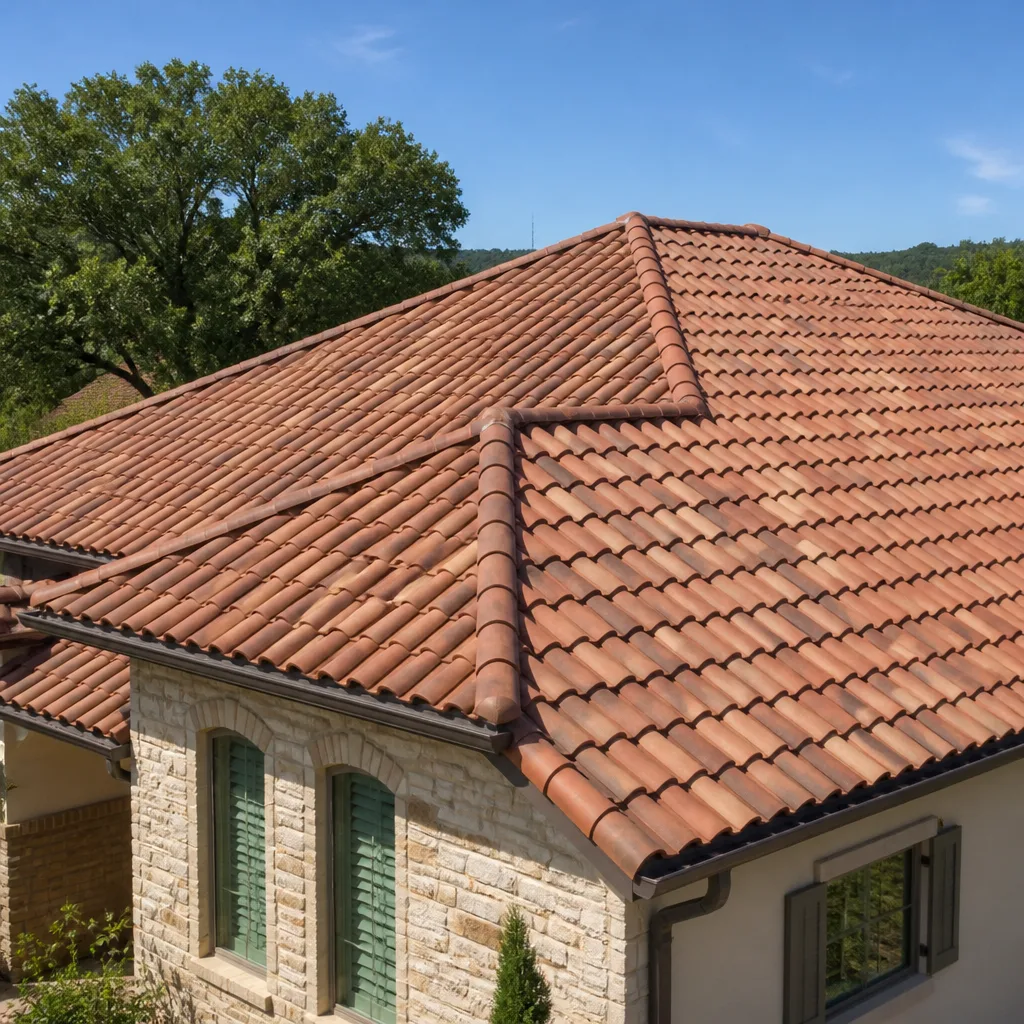 Tile roofing
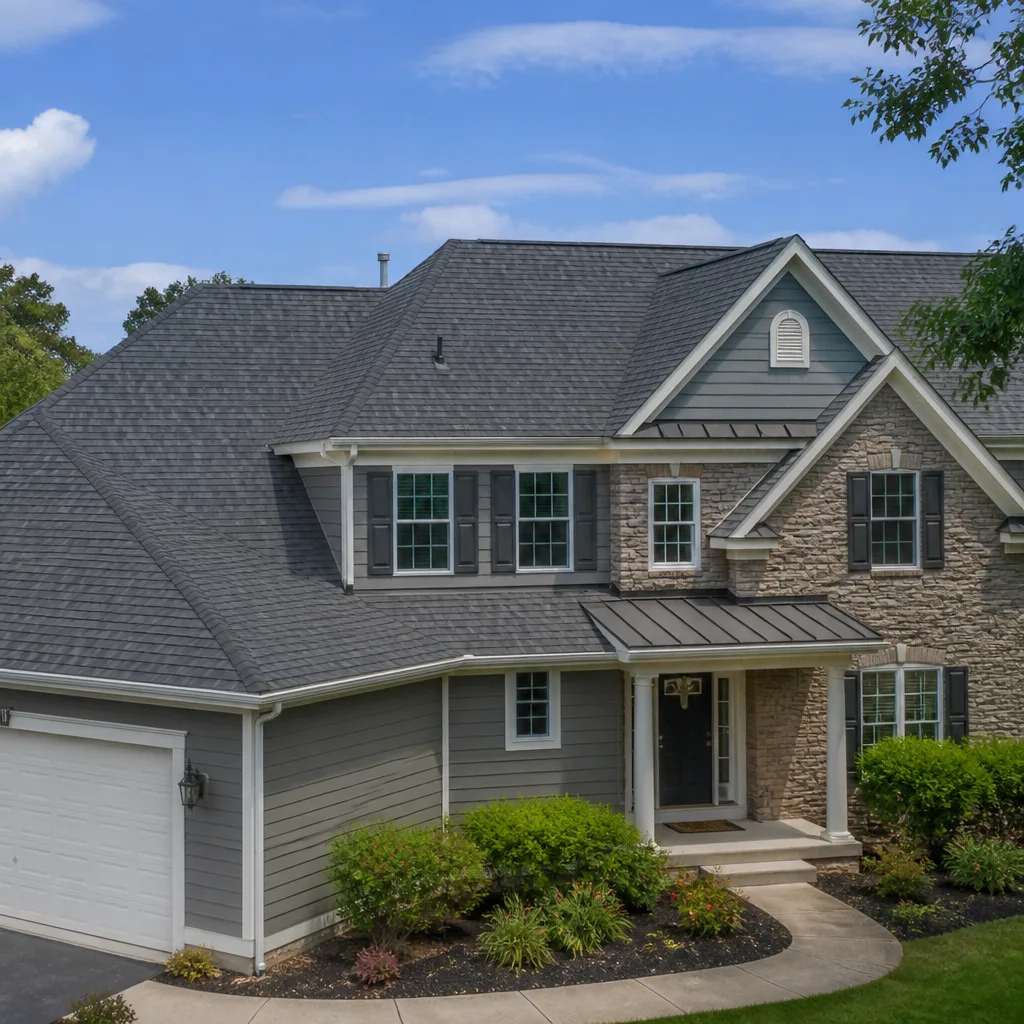 GAF
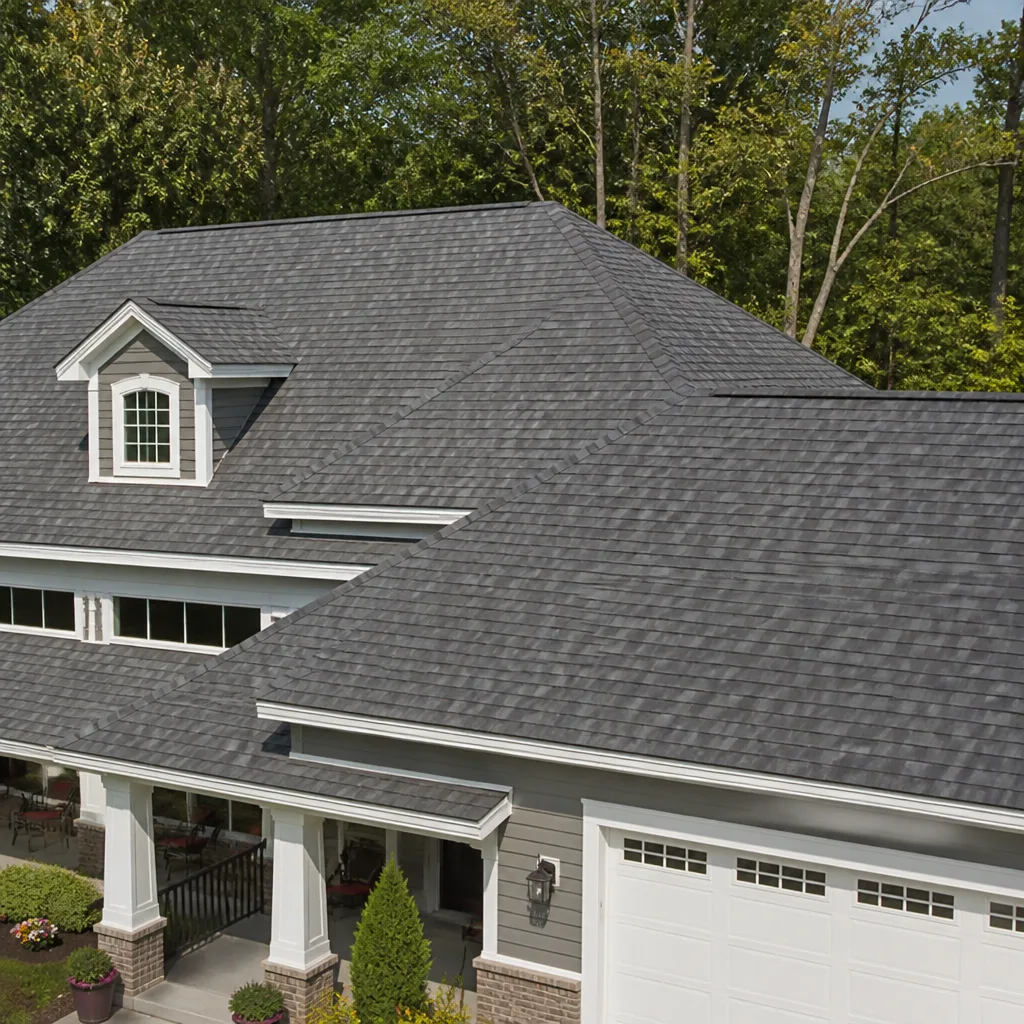 Owens Corning
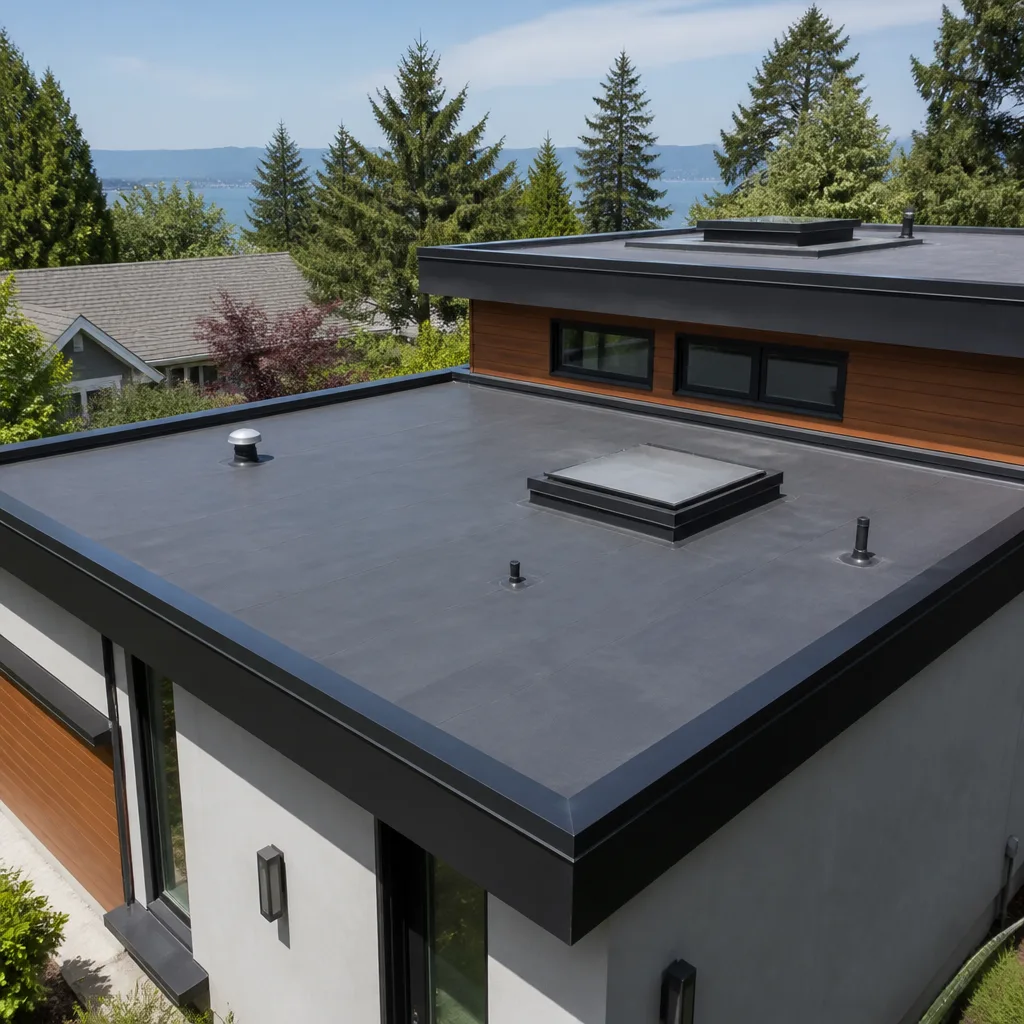 Flat & low-slope
Free roof inspection with deck photos before we talk money - GAF and Owens Corning certified installation
Roofing Warning Signs: A Irvine Homeowner’s Reference Guide
Most homeowners wait until they see a water stain on the ceiling to call a roofer. That instinct is understandable, but in Irvine it’s a costly one. Our dry climate means a roof can fail slowly for months or even years before a single visible drip reaches your living space. The underlayment tears, the deck rots, and the framing quietly absorbs moisture while the shingles above look fine from the street. This guide walks you through the warning signs that actually matter in Irvine, starting with the ones you’ll find inside the house, not on the roof itself. By the time you finish reading, you’ll know exactly what to look for, what it means, and when to call someone who can tell the difference between a repair and a replacement. For a deeper look at how we assess roof condition, see our Roof Inspection in Stanton approach, which follows the same diagnostic process we use in Irvine.
Quick Answer
The most important roofing warning signs for Irvine homeowners are interior signals: moisture staining on attic rafters, granule accumulation in downspouts and gutters, daylight visible through the roof deck, and recurring condensation on the underside of the sheathing. Exterior signs like missing or curling shingles confirm what’s usually already happened underneath. In Irvine’s semi-arid climate with intense UV exposure and periodic Santa Ana winds, the roof’s water-shedding layers fail before the cosmetic layers do. If you spot any of these signs, an inspection will tell you whether the fix is a targeted repair or a full replacement.
Styles & brands we work with
Table of Contents
- Attic Warning Signs: Reading Moisture, Light, and Dust Patterns
- Granule Loss in Downspouts: What It Actually Quantifies
- Santa Ana Wind Damage: The Visual Pattern That Differs From Age
- Flat and Low-Slope Sections: Why Ponding Points Fail First
- Fascia and Soffit Warning Signs: Deck Edge Failure in Stucco Homes
- Shingle Warning Signs: Curling, Blistering, and Granule Stripping
- When Repair Makes Sense and When Replacement Is the Only Honest Answer
- Common Mistakes to Avoid
- When to Call a Professional
- Frequently Asked Questions
Attic Warning Signs: Reading Moisture, Light, and Dust Patterns
Here’s the counterintuitive truth about roofing in Irvine: your attic tells you more about roof health than your shingles ever will. Homes in Irvine neighborhoods like Northwood, Woodbridge, and Turtle Rock sit through long dry seasons punctuated by short, intense rain events. That cycle creates a specific failure pattern. Moisture intrudes during winter rains, then the attic bakes for eight months. The result is slow rot that never announces itself with a ceiling stain.
The first thing to look for is moisture staining on the underside of the roof deck and on rafters. Not just dark spots. Patterns. A stain that follows a rafter line from the ridge down to the eave usually points to a ridge vent or ridge cap leak, because water enters at the highest point and travels the path of least resistance downhill along the framing. A stain that appears as a wide, diffuse patch across the deck in the field of the roof points to shingle failure in that area, where underlayment has been exposed and water is seeping through the OSB or plywood. A stain that clusters around plumbing vents, chimneys, or skylights points to flashing failure at those penetrations. Each of these traces differently, and the difference matters because it tells us where to repair first.
Light is the second signal. On a sunny Irvine day, go into the attic and turn off any lights. Let your eyes adjust. If you can see pinholes of daylight through the roof deck, you’re seeing water entry points. Where light gets through, water gets through. Hairline cracks in the deck, gaps around fasteners, and torn underlayment all show up as light leaks before they show up as moisture.
The third signal is dust. Irvine sits in a dry, dusty region, and attics here accumulate a specific mix of fine particulates, including particles that blow in from surrounding hillsides and nearby construction. If you see dust trails running vertically down the rafters from a specific point, that’s a water track that has since dried. Water wets the dust, the dust settles into a streak, and the streak remains after the water evaporates. These ghost stains are the single most overlooked warning sign in Irvine attics.
- Check for rafter stains and note whether they trace from the ridge, the field, or the penetrations.
- Turn off lights and look for pinholes of daylight through the deck.
- Look for vertical dust streaks on rafters and sheathing that indicate past moisture flow.
- Inspect the underside of the deck near the eaves, where wind-driven rain tends to accumulate first.
Granule Loss in Downspouts: What It Actually Quantifies
You’ve probably heard that granules in your gutters mean your shingles are wearing out. That’s true, but it’s also incomplete. The value of granule loss isn’t just that it exists. It’s that the rate of loss tells you roughly where the shingle is in its life cycle. In Irvine, where asphalt shingles from brands like GAF and CertainTeed dominate the residential market, choosing the right brand matters because our UV exposure accelerates granule shedding compared to coastal California communities.
Here’s how to quantify what you’re seeing. A brand-new architectural shingle sheds a small, steady amount of surface granules in the first six to twelve months. This is manufacturing excess, not wear. You’ll see a thin, uniform dusting of granules in the gutters after the first rain season. That’s normal. The concerning signal is when granule accumulation stops being uniform dust and starts looking like sand from a beach: a thick, continuous layer of granules filling the entire gutter trough, accumulating in downspout elbows, and piling at the splash blocks. When you can scoop granules out by the handful, the shingle’s protective UV shield is largely gone.
A useful rule of thumb from our inspection work in Irvine: if gutters fill with enough granules to visibly change the water’s color to dark gray when it rains, the shingles are likely past the halfway point of their service life. If you can see bare asphalt patches on the shingles themselves from the ground, the shingle has entered accelerated decline. Granule loss isn’t just cosmetic. Those granules are the shingle’s only defense against UV radiation, and once the asphalt substrate is exposed, it oxidizes, cracks, and fails quickly.
One more thing worth knowing: granule accumulation concentrated near a single downspout rather than spread across all of them can indicate localized shingle failure above that specific gutter run. Walk the roof perimeter and correlate the granule load with what’s overhead. This is exactly the kind of pattern our Roof Inspection in Stanton service is built to document, and it translates directly to Irvine homes.
Santa Ana Wind Damage: The Visual Pattern That Differs From Age
Irvine sits directly in the Santa Ana wind corridor. When those hot, dry winds blow in from the high desert in the fall, they routinely hit sustained speeds of 40 to 60 miles per hour with gusts pushing higher. These winds don’t just knock things off your roof. They damage shingles in a specific, repeatable pattern that looks nothing like age-related wear. Knowing the difference tells you whether you’re dealing with storm damage or an aging roof, and that distinction affects insurance claims, repair scope, and cost.
Santa Ana wind damage shows up as tabbed lifts. On standard three-tab shingles, the bottom edge of individual tabs gets lifted by wind, breaking the adhesive strip that holds the tab to the shingle below. Once that seal breaks, the tab flaps upward and the wind catches it repeatedly, eventually creasing the shingle at the bend point. From the ground, this looks like shingles with raised or slightly twisted tabs scattered across the roof, not uniformly, but in patches that correspond to wind direction and roof geometry. The leading edges of the roof, the corners, and any ridge line perpendicular to the prevailing wind direction take the hardest hit.
Adhesive strip separation is the second signature. Wind gets under the shingle’s leading edge, and the sealant strip, which has been drying out in Irvine’s heat for years, simply releases. The shingle doesn’t tear or rip. It delaminates from the shingle below. This is why post-Santa Ana inspections so often find shingles that look intact but can be lifted by hand with zero resistance. A healthy shingle resists lifting. A wind-compromised one feels like lifting a sheet of paper.
Corner curling from wind looks distinctly different from corner curling from age. Age-related curling happens symmetrically: both corners of a shingle curl upward gradually over years as the asphalt oxidizes and the shingle dries. Wind-related curling is asymmetrical. One corner curls or bends sharply, almost like a dog-ear on a book page, while the other corner lies flat. This happens because the wind caught one corner repeatedly during a single event, creating a crease. If you see shingles where one corner is bent upward and the rest of the shingle is flat, that’s Santa Ana damage, not age.
Atlas shingles and certain Tamko product lines have stronger adhesive strips than older three-tab products, but even they fail in extreme Santa Ana conditions. If you have architectural shingles, watch for the same corner-lift pattern on the edges of the laminated sections.
Flat and Low-Slope Sections: Why Ponding Points Fail First
A significant percentage of Irvine homes include flat or low-slope roof sections. Think covered patios, breezeways, second-story decks, and the low-pitch roofs over entryways and garages in developments across the city. These sections fail differently than sloped shingle roofs, and they fail at predictable points: wherever water pond for more than 48 hours after a rain.
On a flat membrane roof, the failure sequence is consistent. Water ponds at a low spot. The ponding point stays wet longer than the surrounding membrane. UV exposure bakes the membrane at those wet spots because water magnifies solar radiation, accelerating membrane degradation. The membrane begins to blister. Blistering is the visible signal that moisture has penetrated the membrane’s top layer and is trapped between the plies or between the membrane and the insulation board. Once blistering is widespread, the membrane’s waterproof integrity is compromised at multiple points simultaneously.
Here’s what to look for on your flat sections in Irvine:
- Standing water that remains 48 hours or more after the last rain. In Irvine’s dry air, water that lingers this long indicates a drainage problem, not a rain problem.
- Dark, circular patches on the membrane surface that differ in color from the surrounding area. These are the precursors to blisters.
- Cracking or alligatoring on the membrane surface, especially near scuppers, drains, and roof edges where drainage is supposed to occur.
- Visible gaps or lifting at seams and flashings, where the membrane meets walls, skylights, or pipe penetrations.
- Mineral surface loss on modified bitumen membranes, which exposes the asphalt below to UV and accelerates deterioration.
The frustrating part of flat roof failure is that by the time you see interior water staining, the membrane has already been compromised for months or years. The water travels laterally through the insulation and deck before it finds a path into the interior, so the interior stain rarely corresponds directly to the membrane failure point. This is why flat roof repairs are often more extensive than homeowners expect. The leak source can be several feet away from the visible damage.
Fascia and Soffit Warning Signs: Deck Edge Failure in Stucco Homes
Irvine has a lot of stucco-clad homes, especially in neighborhoods built from the 1970s through the 1990s. Stucco does something specific at the roofline that wood siding doesn’t: it hides water intrusion. When the roof deck’s edge fails, water doesn’t drip visibly from the eaves. It runs behind the stucco cladding, traveling down the wall and showing up as paint failure, efflorescence, or drywall damage far from the actual roof leak. By the time the homeowner notices, the deck edge has been rotting for years.
The fascia and soffit are your early detection system. Here’s what to look for:
- Fascia board separation at the corners or at the joints. A fascia that’s pulling away from the rafter tails indicates that the wood behind it has swelled from moisture, which means water is getting past the drip edge.
- Peeling paint on the fascia board itself, especially on the underside where the fascia meets the soffit. This is water wicking back from the gutter line or dripping through a compromised drip edge.
- Soffit staining or sagging at the outer edge, which indicates water is pooling on top of the soffit from a leak at the deck edge or from ice damming in colder years (rare in Irvine but not impossible during unusual winter storms).
- Rusting or missing fasteners at the gutter brackets. Water overshooting the gutter or leaking behind it causes the same rust pattern.
- Dark streaks running down the stucco wall below the roofline. This is the stucco-specific signal that water is running behind the cladding.
This edge condition matters because it affects more than aesthetics. When the deck edge rots, the structural connection between the roof and the wall weakens. In high wind events, a weak deck edge is where shingles and flashing separate first. If you’re seeing any of these fascia or soffit signals on your Irvine home, the issue may not be your shingles at all. It may be the deck edge, which makes it a structural concern, not a shingle concern. For more context on how we scope repairs versus replacements across different roof conditions, our Roof Repair in Stanton page walks through the same diagnostic process.
Shingle Warning Signs: Curling, Blistering, and Granule Stripping
Now let’s talk about the visible shingle conditions that Irvine homeowners do see from the ground, because even though they’re not the earliest warning signs, they matter. The key is knowing what they indicate about the roof’s remaining life and whether they signal a localized problem or a systemic one.
Curling happens when the shingle’s asphalt loses its volatile oils through years of UV exposure and heat cycling. Irvine’s summer temperatures regularly push roof surface temperatures above 140 degrees Fahrenheit, and that heat accelerates oil loss. A shingle that has curled upward at the edges is no longer sealing properly. A few curled shingles near the ridge or on the sun-facing slope suggest age-related drying that’s most advanced in those areas. Widespread curling across the entire roof says the shingle system has reached the end of its functional life, even if the shingles are still on the roof.
Blistering looks like small raised bumps on the shingle surface, similar to a rash. Blisters form when moisture trapped within the shingle material expands under heat and pushes the granule layer upward. In Irvine’s hot sun, blisters can pop, leaving bare asphalt spots that then oxidize and fail. Blistering is usually either a manufacturing defect or a ventilation problem. If your attic isn’t venting properly, heat builds up under the deck and cooks the shingles from below, causing blisters. This is one reason we always check attic ventilation during an inspection, regardless of what the shingles look like from outside.
Granule stripping is the most serious of the three. This is when granules have worn away so completely that the asphalt is exposed across large areas of the shingle. Exposed asphalt fails quickly. It cracks, it dries, and it loses all ability to shed water. If you can see bare black or gray asphalt on multiple shingles from the ground, the roof needs attention immediately, whether that’s a section replacement or a full roof replacement. Some GAF and Boral product lines are engineered with improved granule adhesion for high-UV climates like ours, but even the best materials wear out eventually.
When Repair Makes Sense and When Replacement Is the Only Honest Answer
This is the question every Irvine homeowner actually wants answered, and it’s a fair one. The answer is not always the same. A roof with localized damage around a single flashing point, a few wind-lifted tabs from a Santa Ana event, or a small area of membrane blistering on a flat section can often be repaired effectively. We’ve repaired thousands of roofs that continued to perform for years afterward. The repair-first approach is in our name, and it’s genuinely how we operate. For more on how we think about repair scope, our Roof Replacement in Stanton page explains the decision criteria we use.
Replacement becomes the honest recommendation when the damage is systemic rather than localized. Here are the markers:
- Granule loss is advanced enough that bare asphalt is visible on more than 30% of the roof surface.
- Curling is widespread, not isolated to one slope or one spot.
- Deck rot extends beyond one or two sheets of plywood or OSB, indicating long-term moisture infiltration.
- Multiple leaks are present in different roof areas, suggesting the underlayment has failed broadly.
- The roof is past its expected service life and showing multiple age-related conditions simultaneously.
The repair-versus-replace calculation also depends on material availability. If your existing shingles are discontinued and we can’t match the color or profile, a repair may leave you with a visible patch. That doesn’t mean replacement is the only option, but it’s a factor. We work with seven major manufacturers, including Atlas and Tamko, which gives us more matching flexibility than a single-brand contractor would have. More options sometimes mean the difference between a $400 repair and a $14,000 replacement.
Common Mistakes to Avoid
- Waiting for a ceiling stain before acting. In Irvine, a roof can leak for years before water reaches living space. By the time the stain appears, the deck and insulation above it are already saturated, and the repair cost has multiplied. Check your attic twice a year.
- Patching over active leaks without addressing the moisture already in the deck. A shingle repair stops new water from entering but doesn’t dry out the water that’s already in the wood. That trapped moisture continues to rot the deck from the inside, leading to structural problems that surface years later.
- Ignoring granules in the gutters because “roofs do that.” Yes, roofs shed some granules. But a continuous layer of granules in every gutter section is a quantifiable signal of advanced wear, not normal maintenance dust. The gutter is literally collecting the evidence for you.
- Assuming stucco walls can’t be damaged by roof leaks. Irvine’s stucco-clad homes are specifically vulnerable to water running behind the cladding. A leak at the deck edge can travel down inside the wall and cause mold, rot, and paint failure that looks like a wall problem but is actually a roof problem.
- Repainting or patching interior water stains without checking the roof first. The stain will come back, because the water source hasn’t been addressed. You’ll pay twice for the same problem.
- Assuming flat roof sections drain on their own. They don’t. Flat sections need regular inspection of drains and scuppers, especially after the leaf drop from surrounding trees. A clogged drain turns a flat roof into a pond, and ponding is the primary killer of flat membranes.
- Filing a wind damage insurance claim without documenting shingle conditions first. Santa Ana damage has a specific visual pattern. If you don’t document it immediately after the wind event, subsequent wear can obscure the evidence and weaken your claim. Document with photos before touching anything.
When to Call a Professional
You should call a roofer when you see any of the attic-based signals described above: rafter stains, daylight pinholes, dust streaks, or moisture-stained decking. These conditions don’t self-resolve. You should also call if you’ve had a Santa Ana event with winds over 50 miles per hour and can see any lifted or twisted tabs from the ground, whether or not you’ve found a leak yet. Flat roof ponding points, fascia separation at the corners, and granule accumulation in gutters all warrant professional assessment. Some of these signals are cosmetic. Some are structural. Only an inspection tells you which is which. Gable Roof Repair offers free estimates in Irvine; call (866) 650-8319 to schedule one. We inspect before we recommend, and we’ll tell you honestly whether the roof needs a repair or a replacement. For more on our broader approach, see the Gable Roof Repair home page.
Frequently Asked Questions
A roof inspection in Irvine typically runs between $150 and $350 when billed as a standalone service. Gable Roof Repair offers free estimates for repair and replacement work in Irvine, and our inspection service can be scheduled independently of any repair or replacement recommendation. Call (866) 650-8319 to schedule yours.
The most common roofing problem in Irvine is UV-related shingle degradation combined with Santa Ana wind damage. Our dry, sunny climate bakes shingles quickly, and the seasonal winds then exploit weakened adhesive strips and dried-out shingle tabs. The result is a roof that looks older than its years and fails at the edges and corners first.
Yes, and in Irvine this is the norm rather than the exception. Water can enter through a compromised deck or underlayment and travel laterally through insulation, framing, or the stucco wall assembly before ever reaching a visible interior surface. By the time a stain appears on the ceiling, the moisture has usually been present for months.
In Irvine’s climate, architectural asphalt shingles typically last 18 to 25 years, depending on the manufacturer, installation quality, attic ventilation, and sun exposure. Three-tab shingles last shorter, often 12 to 18 years under the same conditions. GAF, Atlas, and Tamko all produce shingle lines with different expected service lives, and the actual life of your roof depends heavily on installation and ventilation.
Yes. Flat and low-slope sections require more frequent inspection than sloped shingle roofs because they’re more vulnerable to ponding water. After any significant rain, check flat sections for standing water that remains more than 48 hours. Clear drains and scuppers of debris, and inspect the membrane surface for blistering or discoloration twice a year.
Roof replacement in Irvine requires a building permit from the City of Irvine, and the work must be completed by a licensed contractor. Smaller repairs that don’t involve structural changes or deck replacement may not require a permit, but the threshold varies depending on the scope. Any reputable contractor will know the current requirements and handle permitting for you. Call (866) 650-8319 if you’d like an estimate that includes the permitting scope for your specific roof.
The Bottom Line
Your roof’s job is to protect everything underneath it. In Irvine, that job gets harder every year as UV radiation and Santa Ana winds work against the materials. The warning signs that matter most are the ones you can’t see from the street: attic stains, dust tracks, deck rot, and granule accumulation. Learn to read those signals and you’ll catch roof problems before they become structural failures, or explore more guides & resources to stay ahead of maintenance. Ignore them and you’ll pay for it in deck replacement, insulation replacement, and interior repairs that dwarf the cost of fixing the roof itself. Gable Roof Repair offers inspection, repair, and replacement services in Irvine, with material options from GAF, CertainTeed, Owens Corning, IKO, Atlas, Tamko, and Boral. We work with your roof’s brand, not ours. Inspection first, recommendation second. Call (866) 650-8319 when you’re ready to find out what your roof is actually telling you.
Written by the team at Gable Roof Repair, serving Irvine since 2016.
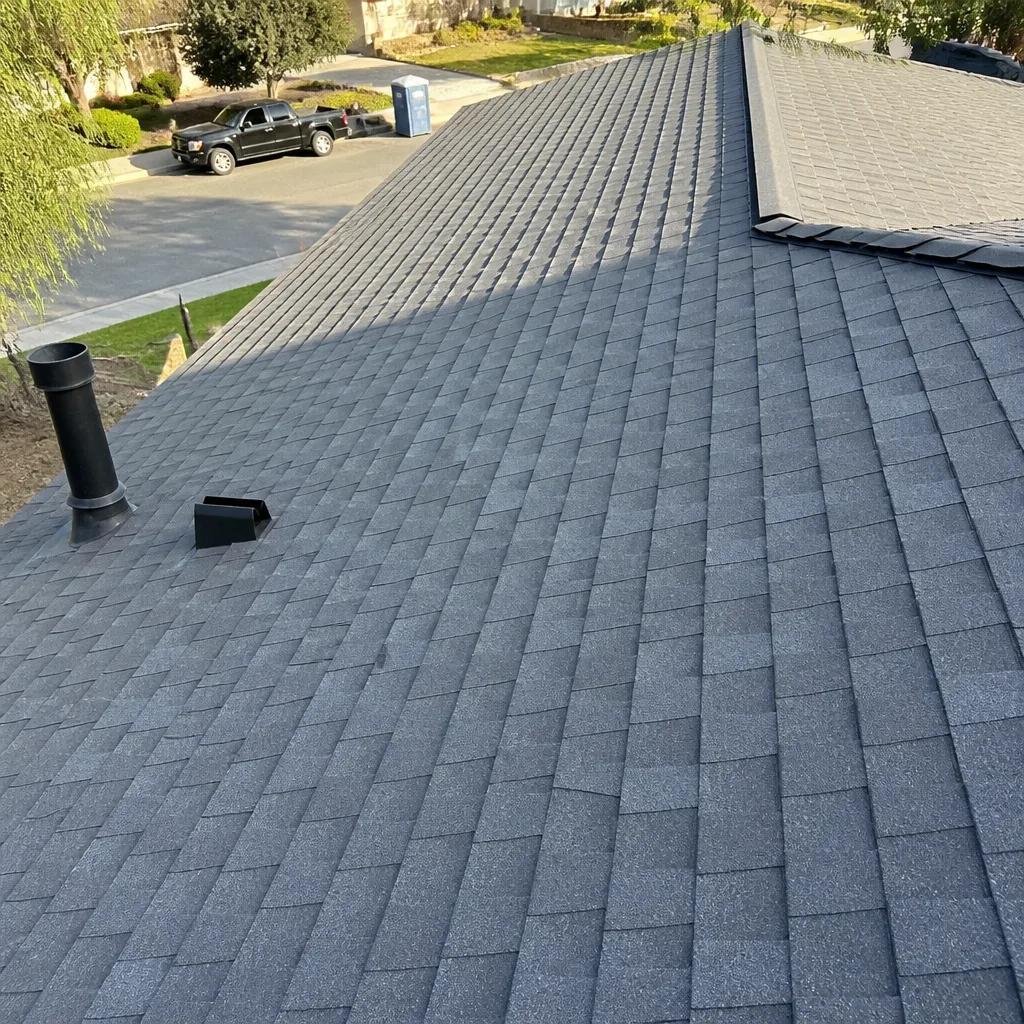
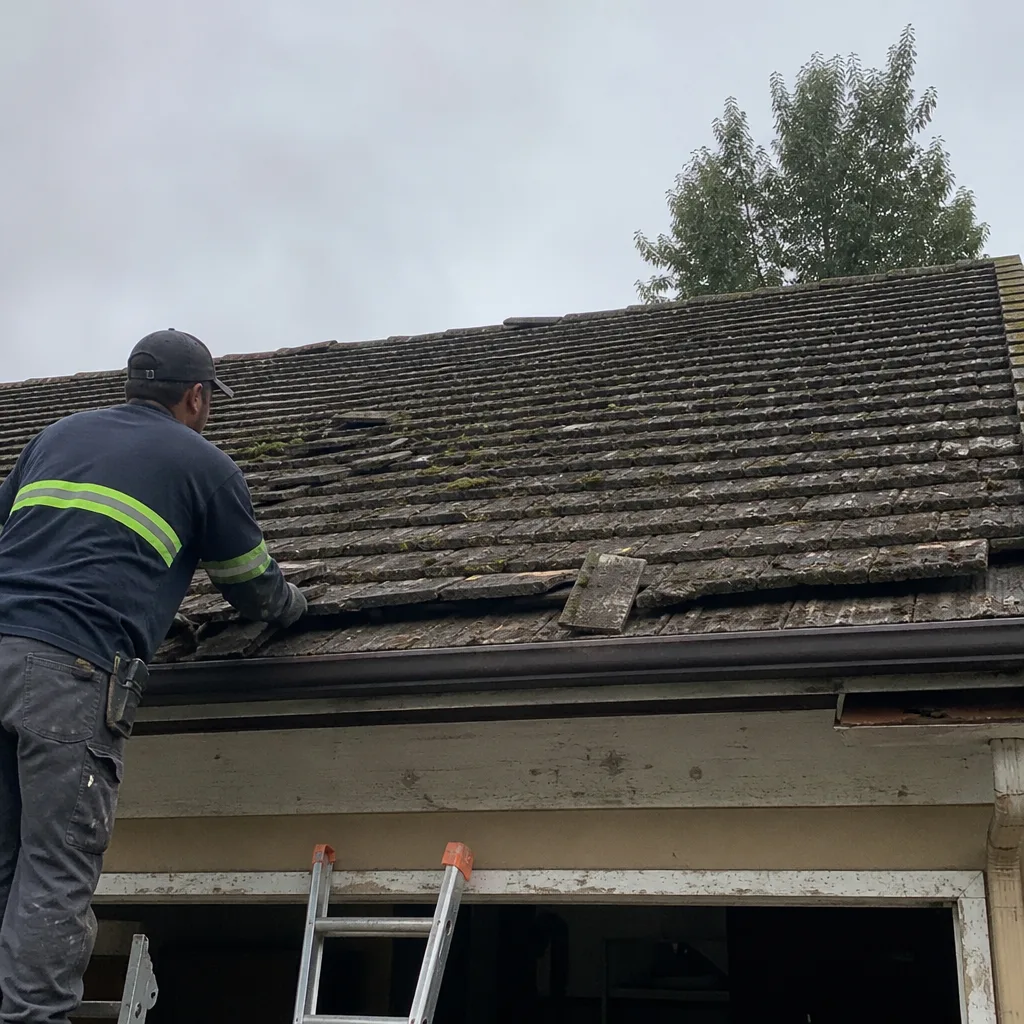
See the difference
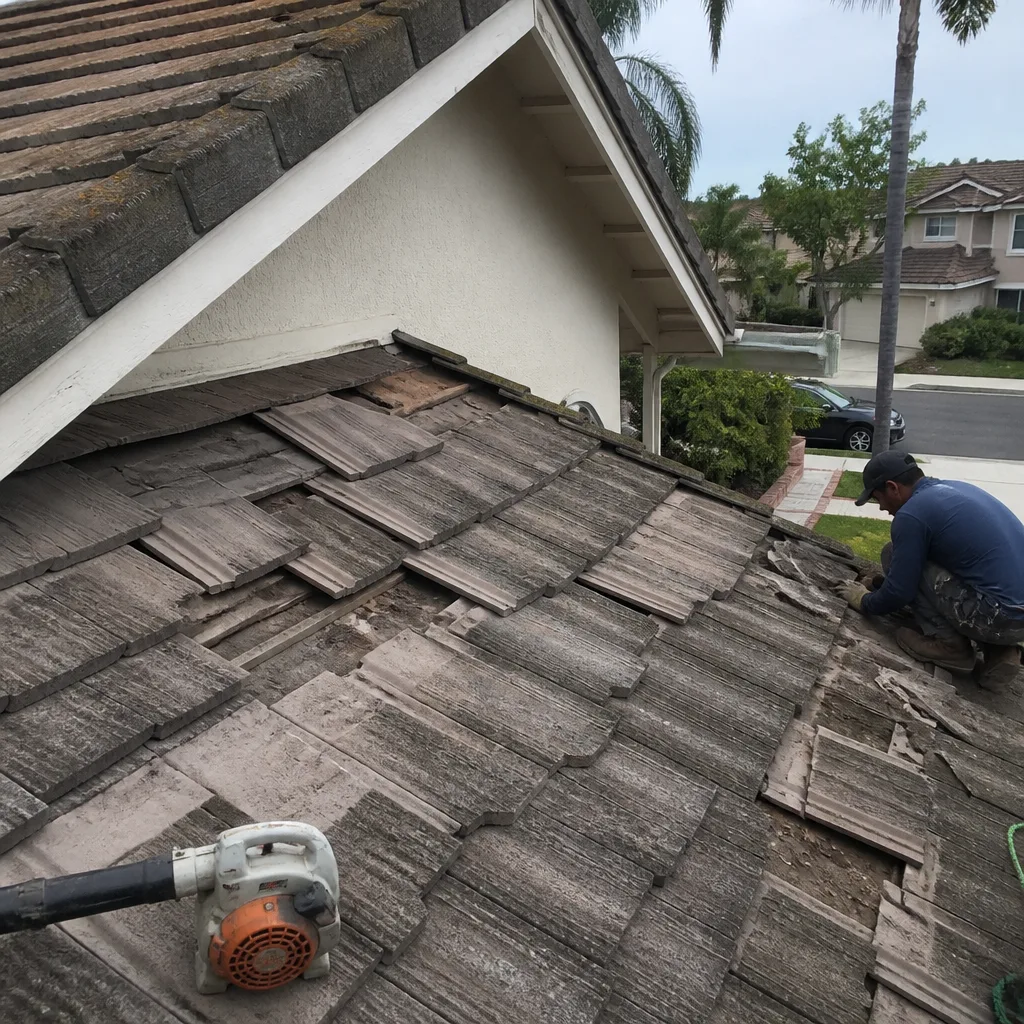 Before
 After
 Before
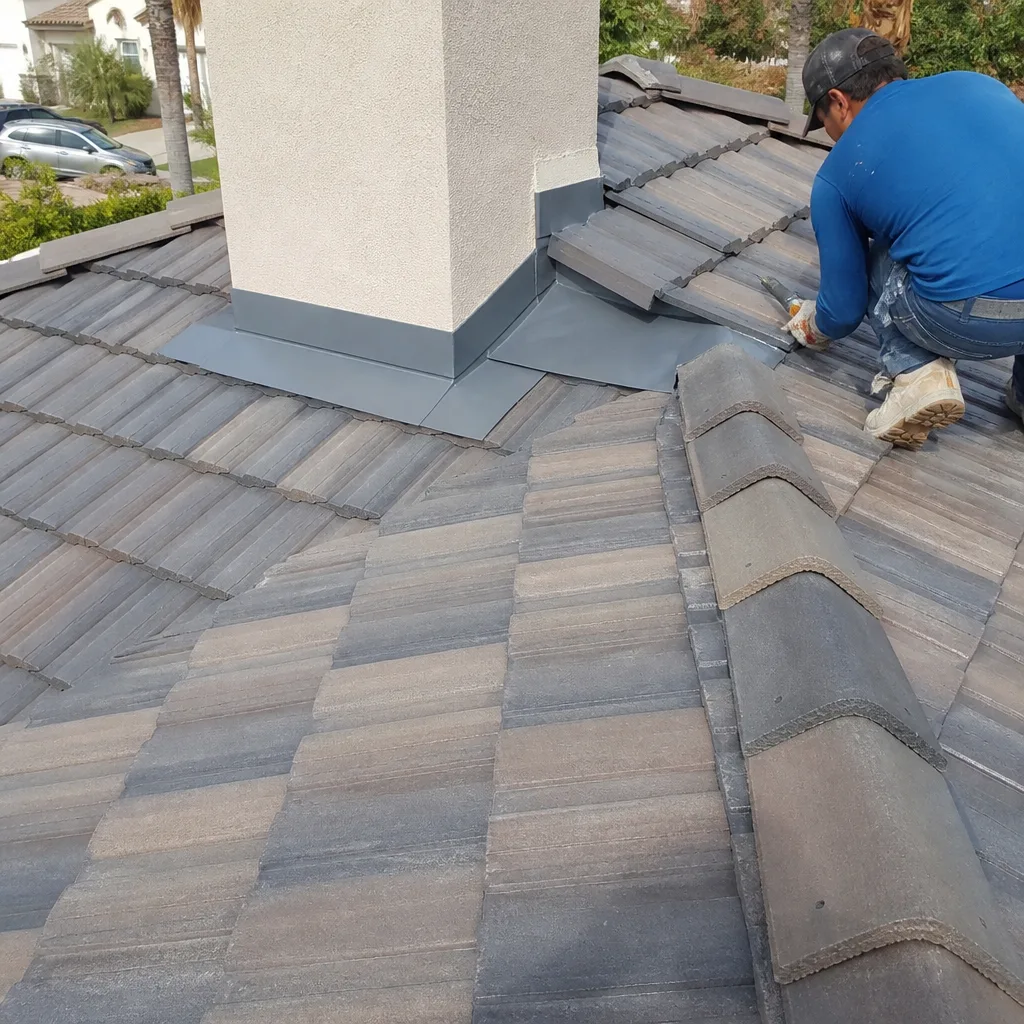 After
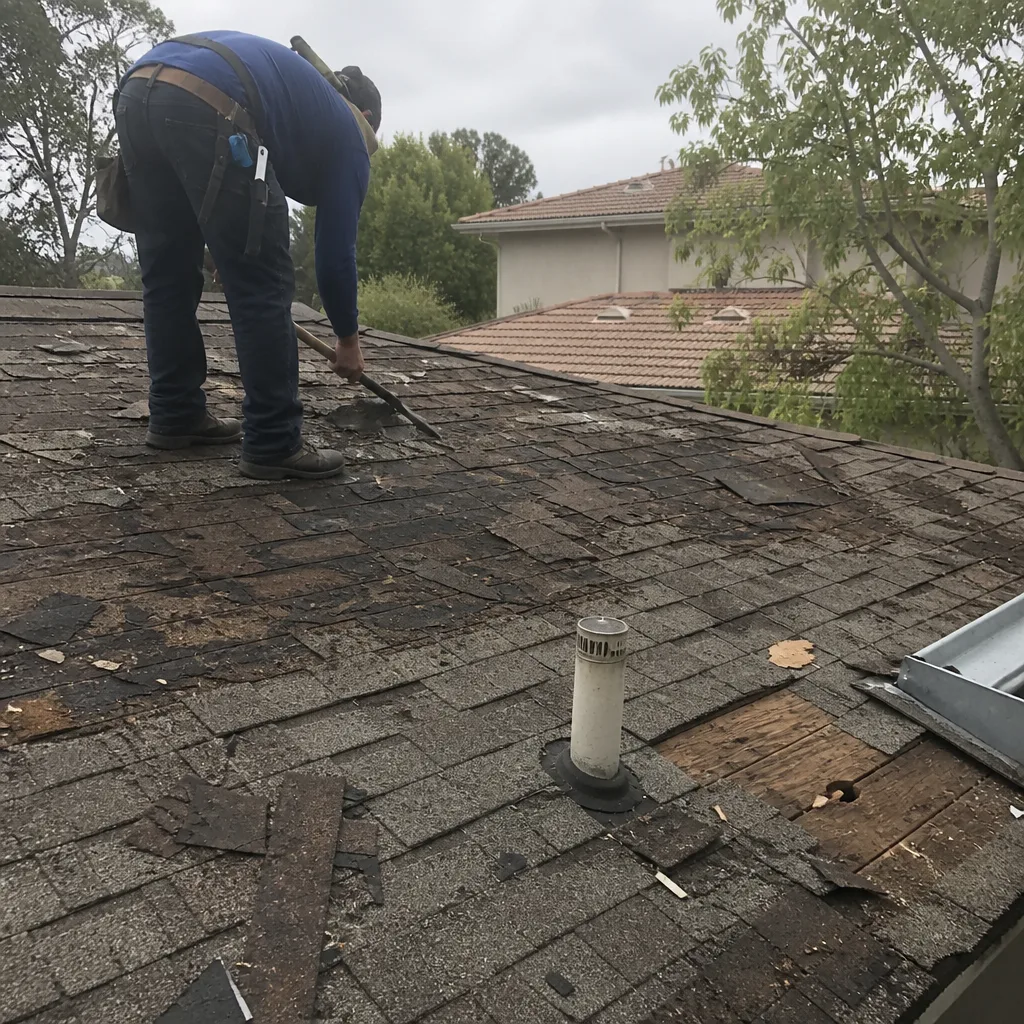 Before
 After