Last updated October 30, 2026
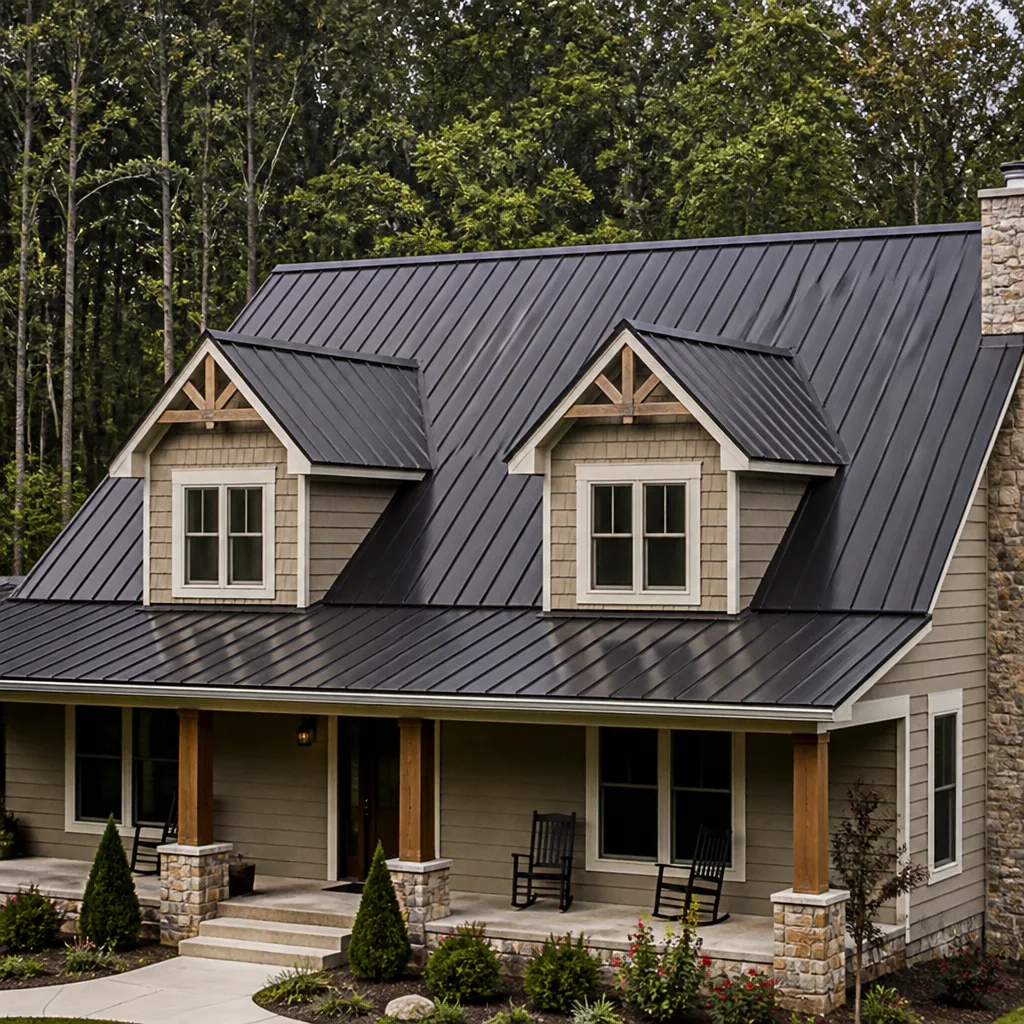 Metal roofing
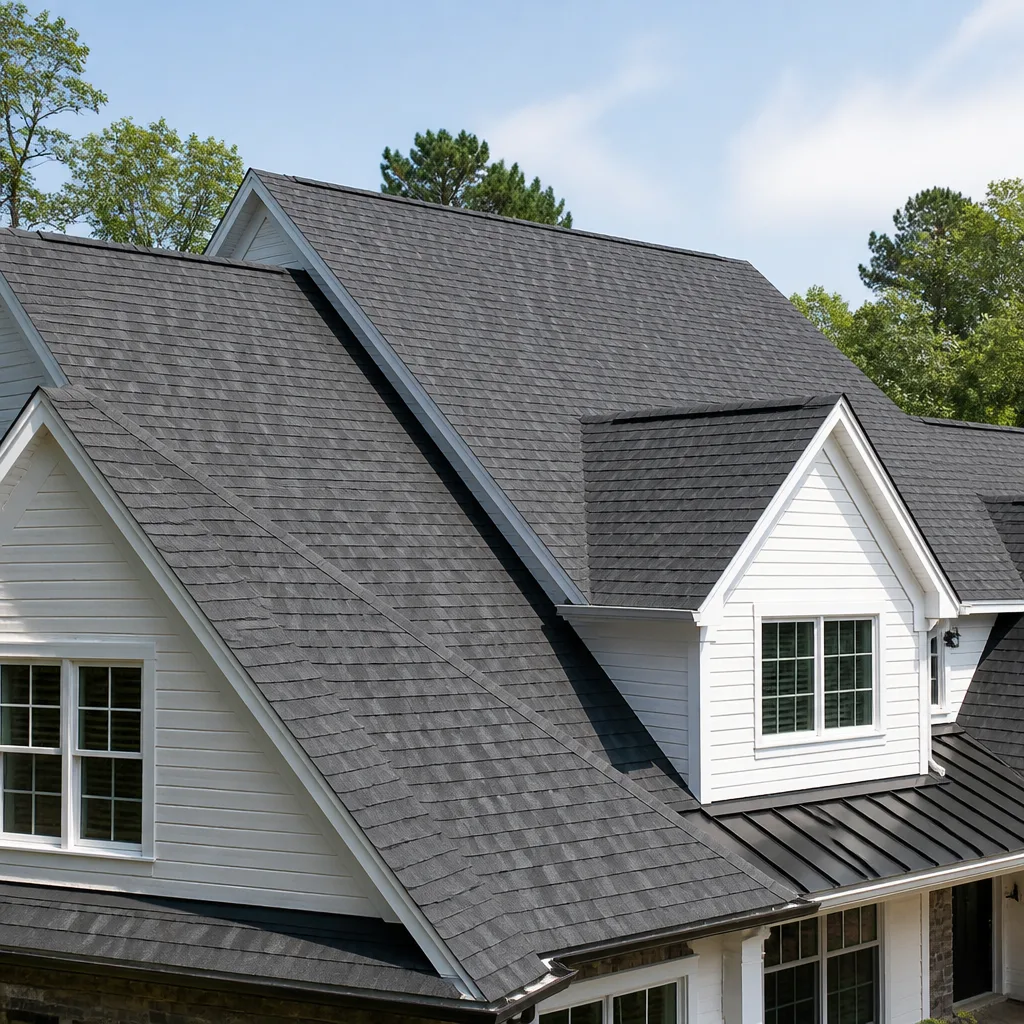 Architectural shingles
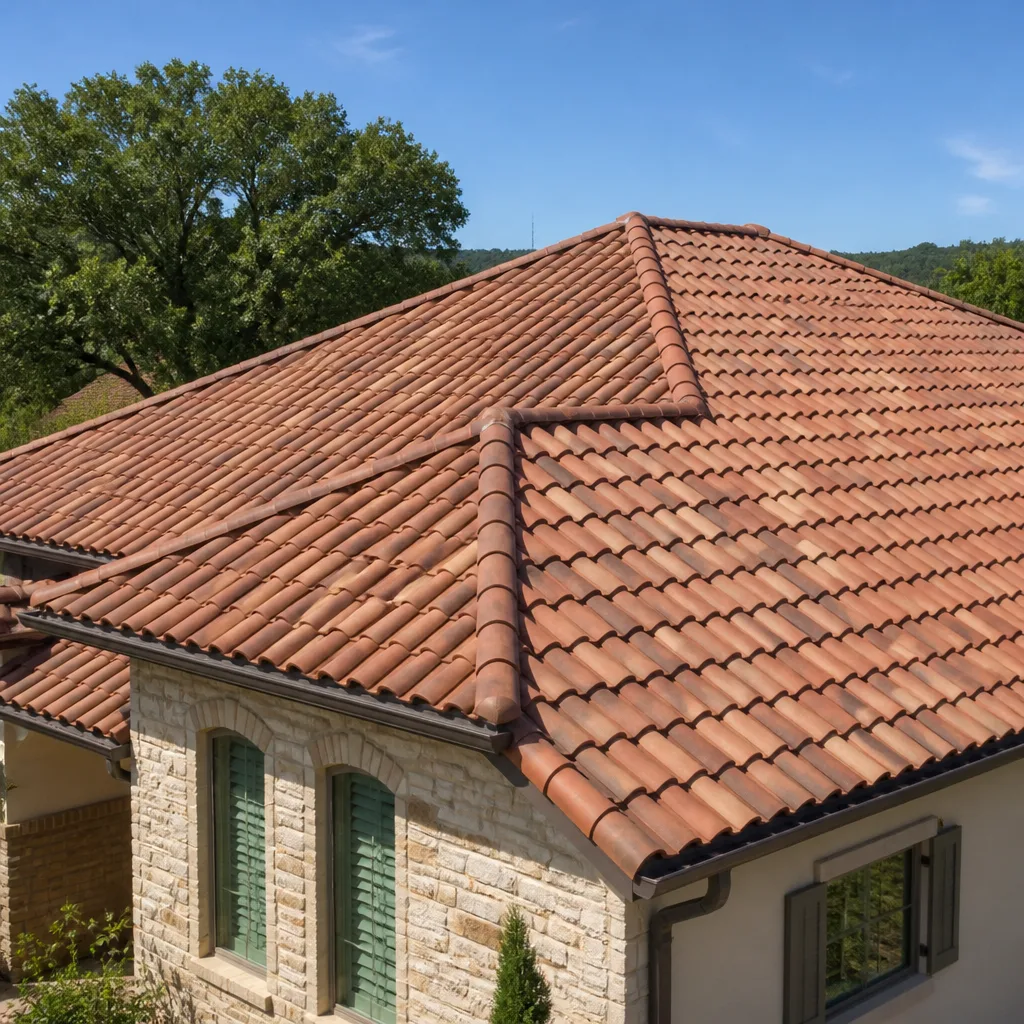 Tile roofing
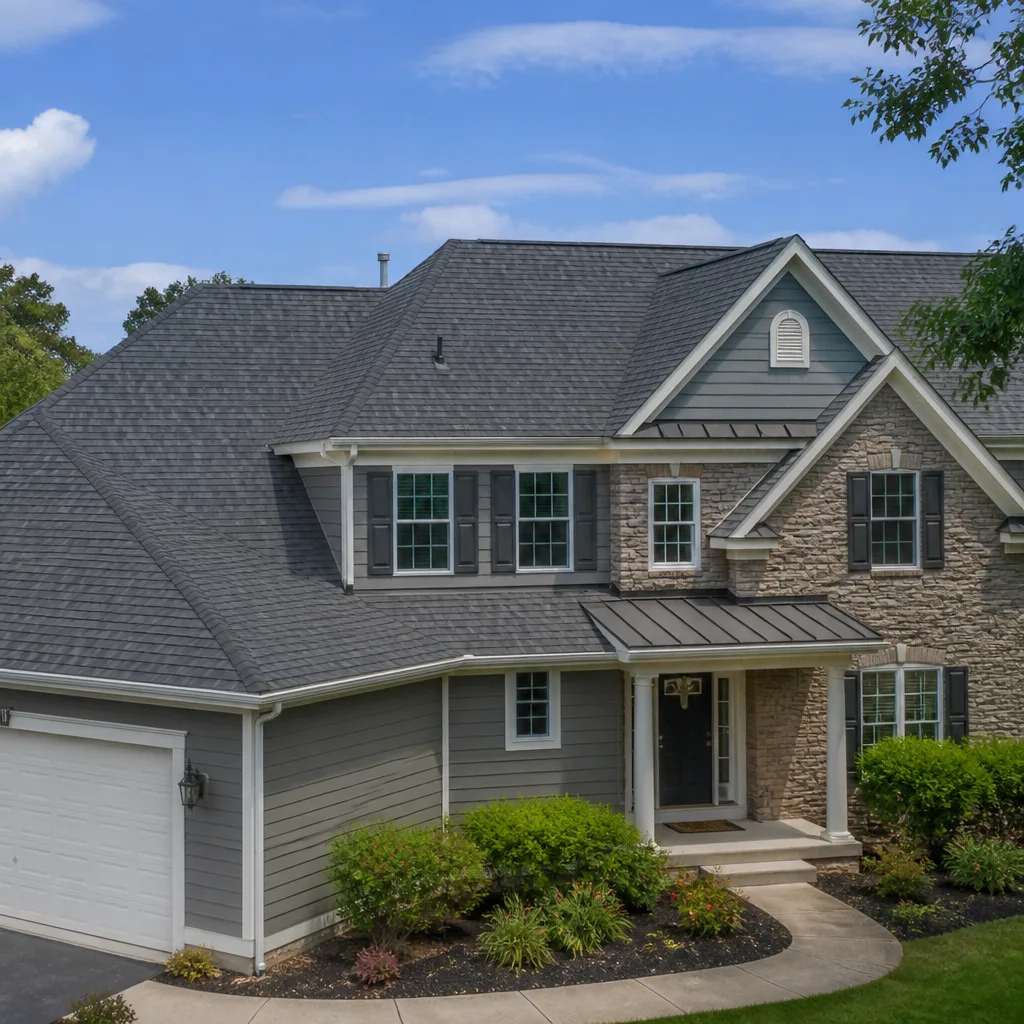 GAF
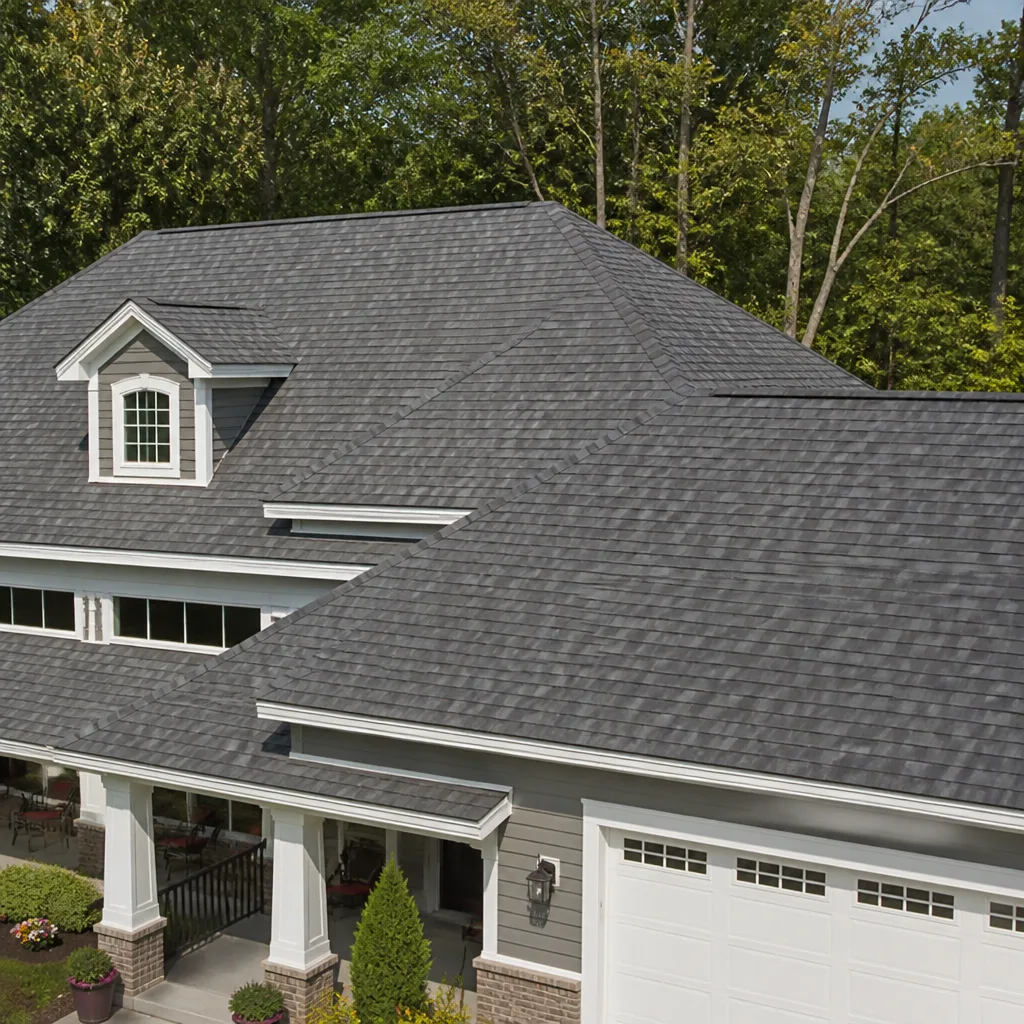 Owens Corning
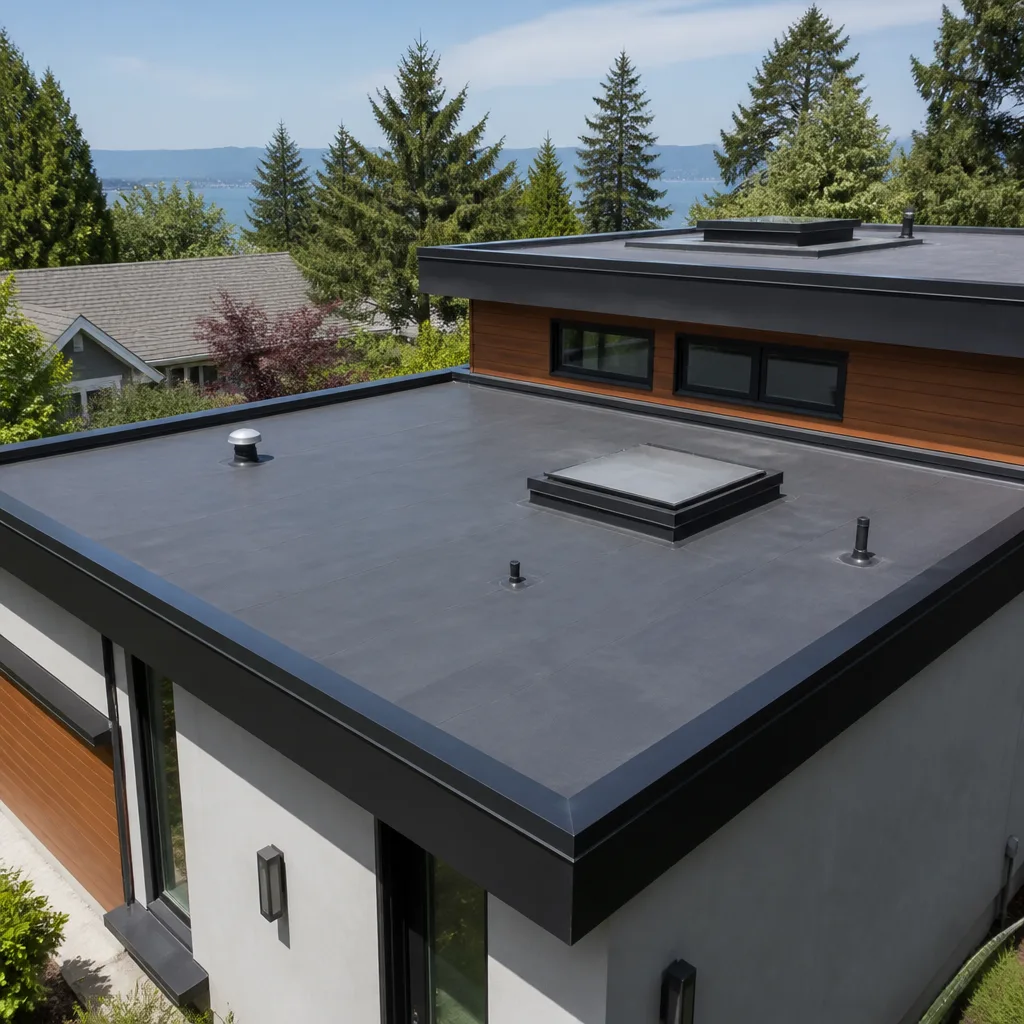 Flat & low-slope
Free roof inspection with deck photos before we talk money - GAF and Owens Corning certified installation
Roofing Permits, Codes & Inspections in CA: What You Need to Know
In California, a re-roof that skips the permit isn’t just a code violation waiting to be discovered. It creates an unpermitted condition that state disclosure law forces sellers to reveal at escrow, which means a roof you thought was done and paid for becomes a bargaining chip against you when the home sells. That’s the part most roofing guides miss, and it’s the part that costs homeowners in Irvine real money. This guide walks through what actually requires a permit in California, what Title 24 means for your shingle choice, what inspectors look for at each stage of a permitted re-roof, and how to pull your own permit history before you buy or sell. You’ll finish with a clear sense of when a permit is required, when it isn’t, and what the inspection process actually verifies.
Styles & brands we work with
Quick Answer
In California, any roofing project that replaces more than 25% of the roof’s area, changes the roof structure, or installs new sheathing requires a building permit from your local jurisdiction. A true like-for-like repair that replaces fewer than 25% of shingles and doesn’t touch the decking or structure may be exempt, but that exemption is narrower than most contractors tell you. When you pull a permit, you also trigger inspections that independently verify your underlayment, fire rating, and ventilation were installed to current code before the final layer goes down – which is the only third-party verification you’ll get on that work.
Table of Contents
- Which Roofing Projects in California Require a Permit
- Why the “Like-for-Like Repair” Exemption Is Narrower Than You Think
- Title 24 Cool-Roof Requirements and What SRI Actually Means for Product Selection
- The Three Inspection Stages for a Permitted Re-Roof in Orange County
- How to Pull Permit History on a Home You’re Buying or Selling
- SB 721 and SB 326: What Multi-Unit and HOA Owners in Irvine Need to Know
- Common Mistakes to Avoid
- When to Call a Professional
- Frequently Asked Questions
- The Bottom Line
Which Roofing Projects in California Require a Permit
A building permit is required in California when you replace the roof covering on a building where more than 25% of the total roof area is being re-covered or removed and reinstalled. That threshold comes from the California Building Code and the California Residential Code, specifically Chapter 1, which governs permit requirements for re-roofing. If you’re replacing the roof on a single-family home in Irvine and the area being stripped exceeds 25% of the roof’s total surface, you need a permit. There’s no ambiguity in the code language here. The percentage is measured against the entire roof area of the building, not just the slope or section you’re working on.
Permits also trigger if you’re installing new roof sheathing, changing the roof structure, adding skylights or vents that require framing, or replacing the entire roof system down to the rafters. A simple shingle overlay on an existing roof also generally requires a permit in most California jurisdictions, though overlays themselves are now restricted due to weight limits and aren’t permitted on two existing layers. What surprises homeowners in Irvine most often is not the size of the job, but that the permit requirement is tied to the building department’s written threshold, not the contractor’s opinion about whether the work is “minor.”
Here’s what requires a permit in most California cities, including Irvine:
- More than 25% of total roof area being re-covered. This applies to entire homes, most multi-section homes, and large repairs that strip back multiple layers.
- New roof sheathing or plywood replacement. If decking needs to be replaced, an inspector must see it before the new covering goes down.
- Structural changes. Adding a cricket, changing roof pitch, cutting new vents, or reinforcing rafters all trigger review.
- Installing solar mounts or extensive racking. Any roof penetration that requires structural review or waterproofing verification needs a permit.
- Removing and replacing underlayment. When the old felt is stripped and new underlayment goes down, the building official wants to verify the product and fastening.
What doesn’t require a permit: a true small repair that replaces fewer than 25% of the shingles and doesn’t touch structure or decking. In Irvine, the building department follows state code for this threshold. If you’re unsure whether your project clears the threshold, calling the City of Irvine Building and Safety Division with your roof’s square footage and the planned scope will settle it in five minutes. We’ve had homeowners tell us a contractor said “this doesn’t need a permit” when the scope clearly went past 25%. Ask for that assessment in writing, because the homeowner is the one who carries the liability, not the contractor.
If your project does require a permit, the plan may be submitted by the property owner or by the contractor. Most Irvine homeowners have the roofing company pull the permit as part of the scope of work, which places the responsibility for inspection scheduling and sign-off on the permit holder. A company that handles roof replacement in Stanton follows the same permit logic as any Orange County jurisdiction: the permit protects the homeowner, not the contractor.
Why the “Like-for-Like Repair” Exemption Is Narrower Than You Think
Contractors love to tell homeowners that a “like-for-like repair” doesn’t need a permit. In California, that’s true only when the scope is genuinely limited: replacing individual damaged shingles, sealing a small section, or repairing flashing on a small area. The moment the repair expands into stripping a whole slope or rebuilding layered sections, the 25% threshold applies. The term “like-for-like” in California doesn’t mean “we’re putting the same material back on.” It means the repair is minor enough that the code’s intent – protecting the water-shedding surface – hasn’t been materially altered.
Here’s what happens when a “repair” becomes a re-roof in practice. You have wind damage on the south-facing slope of a 2,400 square foot roof in Irvine. The damaged area covers about 18% of the total. A contractor replaces those shingles, replaces a few pieces of damaged felt, and seals flashing. That’s a repair, and no permit is needed. But if the tear-off extends into the eave, the contractor finds damaged plywood underneath, and the patch now covers 28% of the total roof area, you’re into permit territory. The same slope, the same starting point, but the scope changed. At that moment, pulling a permit is not optional, and a contractor who tells you otherwise is handing you the liability.
Some contractors will frame the repair as “spot replacement” to avoid the permit requirement. That’s a material risk for a homeowner in Irvine. If the work is later discovered during a sale, the unpermitted roof becomes a disclosure item under California Civil Code Section 1102. The buyer can demand the work be retroactively permitted, which at minimum means opening up sections of the new roof for inspection. At worst, it becomes grounds for a price reduction at negotiation.
Our approach at Gable Roof Repair is to document the scope before any work starts. If the job is under the threshold, we note it on the estimate with the measured square footage and the code section. If it’s over, we pull the permit. There’s no middle ground that benefits the homeowner.
Title 24 Cool-Roof Requirements and What SRI Actually Means for Product Selection
California’s Title 24, Part 6 energy standards require that low-slope residential roofs in most climate zones use a roofing product with a minimum Solar Reflectance Index (SRI) unless the roof is shaded or has a building-integrated photovoltaic array covering a significant portion. Irvine falls into Climate Zone 8 under Title 24, and in this zone, the cool-roof standard for low-slope residential roofs is significant. The requirement doesn’t apply to steep-slope roofs (greater than 2:12 pitch), which is why most single-family homes in Irvine with traditional shingle roofs aren’t forced into white or reflective membranes. But the moment slope drops, the requirement kicks in.
SRI is a calculated value that combines two properties: how much solar radiation the surface reflects and how much heat it re-emits. A higher SRI means the surface stays cooler in direct sun. For steep-slope shingle roofs, certain shingle colors and products meet the Title 24 requirements because manufacturers like CertainTeed and Owens Corning formulate specific granules with high solar reflectance values even in darker colors. That’s important if you live in an Irvine HOA with a color palette that restricts roof shades. A manufacturer’s “cool roof” product line often includes dark granule blends that still meet the required aged SRI value, but you’ll need to verify the product’s CRRC (Cool Roof Rating Council) rating at the time of selection.
Local city amendments in Irvine don’t override Title 24, but the city can add additional requirements. Irvine enforces the California Green Building Standards Code (CALGreen), which includes provisions for roof surface reflectance in certain building types. For a standard single-family reroof, the key enforcement point is the product specification you submit with the permit package. If you list a shingle that doesn’t have the required SRI for the roof slope and climate zone, the plan reviewer will reject the application until you select a compliant product.
This is where working with multiple brands pays off. Atlas and IKO both produce asphalt shingle lines with rated SRI values that meet California requirements, but the ratings vary by color and by the product line’s mineral granule composition. A single-brand contractor will sell you the one product they carry, whether or not it’s the best SRI fit for your roof slope and Irvine’s climate zone. A brand-agnostic roofer can pull the CRRC rating for three or four color-matched options and let the numbers decide.
The Three Inspection Stages for a Permitted Re-Roof in Orange County
When a permit is pulled for a re-roof in Irvine or any Orange County jurisdiction, the inspection sequence follows three stages. Understanding what each inspector is actually looking at helps you see the permit process for what it is: independent verification that the materials and installation meet code before the final surface hides everything underneath.
Stage 1: Deck Inspection
After the old roof is stripped and before any new underlayment goes down, the inspector verifies the condition of the roof deck. They’ll check for rotted or damaged plywood that needs replacement, confirm that the decking is properly fastened to the rafters, and look for any structural issues that were hidden under the old roof. If the deck is not sound, this is where it gets caught. That’s the value of this inspection. You can’t see a deck problem once the shingles go back on, but the inspector can, and now it’s on record. In Irvine’s older neighborhoods like Northwood and University Park, we commonly see decking that needs replacement because years of insufficient attic ventilation have caused the plywood to delaminate from the underside.
Stage 2: Underlayment Inspection
The underlayment inspection happens after the underlayment is installed but before any shingles go on. The inspector checks that the correct underlayment product is used for the roof’s slope and that it’s fastened according to the manufacturer’s specification. They’ll also verify that valley metal, drip edge, and flashing details are correctly installed. For Irvine homes, this includes checking that the underlayment meets the fire classification requirements in the Wildland-Urban Interface (WUI) zone, if the property is mapped in one. Products like Owens Corning‘s underlayments carry specific fire ratings that need to be verified against the product listed on the permit application. A common point of failure here is using the wrong fastening pattern. The inspector knows the manufacturer’s nailing schedule, and if the underlayment is under-fastened, you’ll get a correction notice before the roof is closed up.
Stage 3: Final Inspection
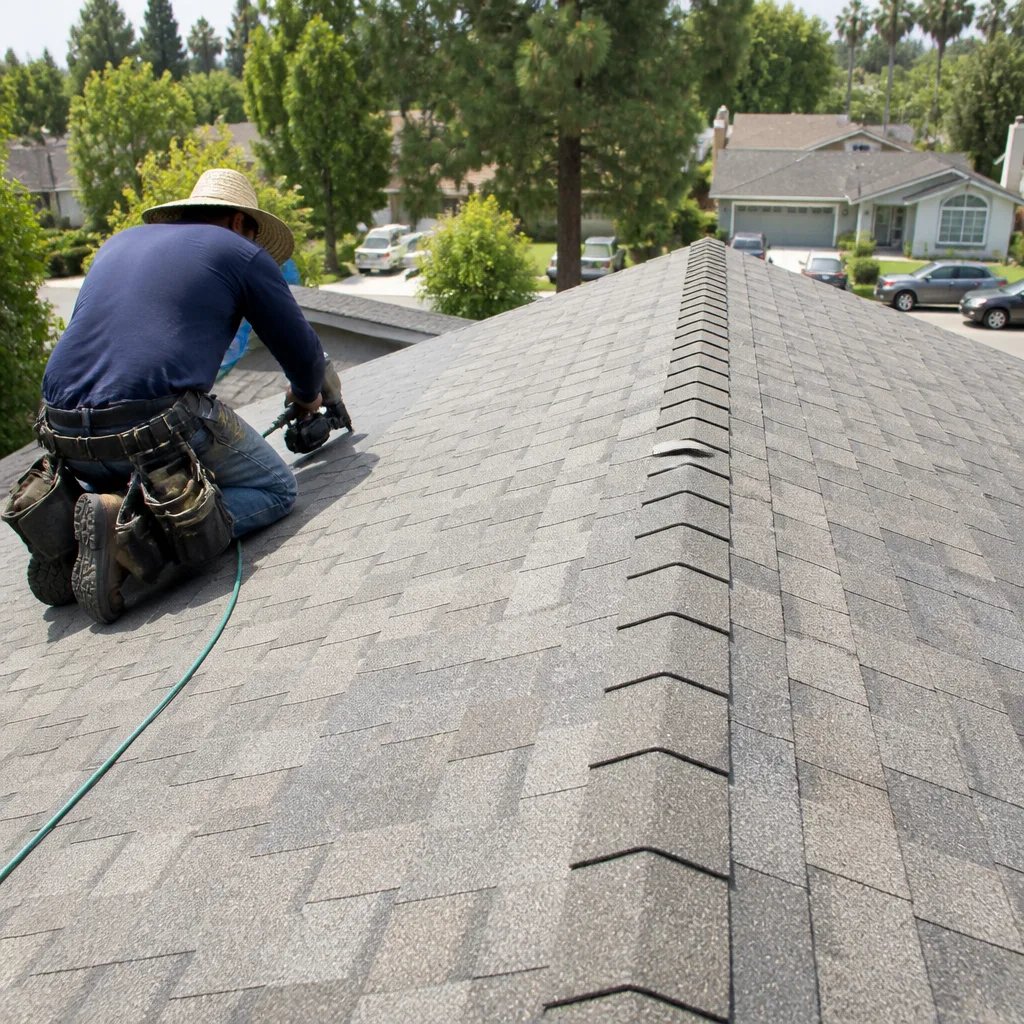
The final inspection happens after shingles are installed and all flashing and trim work is complete. The inspector verifies that the roofing product matches what was listed on the permit, that the ventilation openings are adequate for the attic space, and that the roof’s overall condition meets the approved plans. They’ll also check that the project site is clean and that debris has been managed according to local requirements. Any open items from earlier inspections must be signed off before final approval is granted. Once final passes, you have a permitted roof on record, which is a clean disclosure item at sale and a documented compliance history with your local building department.
Inspect your roof after a storm or before a sale? That’s exactly what a standalone roof inspection in Stanton provides, and that same diagnostic approach is what lets us tell you whether your current roof is worth repairing or needs replacement before you ever talk permits.
How to Pull Permit History on a Home You’re Buying or Selling
Pulling permit history in California is a public records process. Every city and county maintains a building permit database, and most jurisdictions, including Irvine, allow you to search by address online. What you’ll find in the record is a list of permits issued against the property, their dates, their status (issued, finaled, expired), and the scope of work described. You will not see the detail of the inspections unless you request the full permit file, which you can do at the city’s Building and Safety counter.
Here’s the step-by-step for Irvine:
- Go to the City of Irvine’s online permit portal and select “Building Permit Search” under the Building and Safety Division.
- Enter the street address without suffixes if possible (e.g., “12 Harvard” rather than “12 Harvard Ave”).
- Review the list of permits. A re-roof permit will typically be listed as “roofing permit” or “re-roof” with the year it was issued.
- Check the status. “Finaled” means the work passed all required inspections. “Issued” without “Finaled” could mean the permit was never closed out, which is a problem.
- For a complete record, request the full permit file from the Building and Safety counter. You may need to fill out a public records request form.
What does an unpermitted roof look like in the record? It looks like nothing. There’s no entry. No permit was ever pulled, so no final inspection was ever recorded. If the seller is claiming the roof was replaced in 2019 and there’s no roofing permit on file for 2019, you’re looking at an unpermitted roof, unless the work fell under the 25% threshold. That’s why the square footage of the claimed work matters. A full re-roof with no permit on a 3,000 square foot home is a red flag. A 10% repair with no permit is normal.
If you’re selling and you discover the roof is unpermitted, you have two paths: disclose it on the Transfer Disclosure Statement and price it accordingly, or pull a retroactive permit. In Irvine, retroactive permits are possible but the inspection will often require opening up sections of the finished roof so the inspector can see what’s underneath. It’s easier to do the permit right the first time than to peel back a two-year-old roof.
SB 721 and SB 326: What Multi-Unit and HOA Owners in Irvine Need to Know
California Senate Bills 721 and 326 both address the safety of elevated exterior elements, but their interaction with roofing is real and often misunderstood. SB 721 applies to buildings with three or more multifamily dwelling units and requires inspection of exterior elevated elements (balconies, decks, walkways, stairways) by January 1, 2025, and every six years after. SB 326 applies to condominium and community association buildings and requires similar inspections every nine years. Neither bill directly mandates roof inspections, but this is where the two intersect: balconies and exterior decks are waterproofed with roofing systems, and the inspection reports required under these bills document the condition of the waterproofing layer that ties into the roof assembly.
For an Irvine condo owner in a building with a roof and balconies, the inspection report produced under SB 326 will include any observed defects at roof-to-balcony transitions, parapet walls, and waterproofing membranes. If the report flags a failing transition, the HOA must then address it as a repair item. That repair often involves roofing scope, and when it does, the same permit logic applies. A roof-adjacent waterproofing repair over 25% triggers a permit, and the inspection verifies the work was completed to current waterproofing standards.
What we see in Irvine’s multi-unit buildings is this: an HOA gets an SB 326 report that identifies wet insulation or failed flashing at the roof edge. The board then discovers the original roof was installed years ago with an underlayment that’s no longer code-compliant. The next step is a roofing permit to repair the transition, which means opening the roof, replacing the underlayment in the affected area, and having the work inspected. It’s a narrow repair, but it goes through the full permit sequence because the waterproofing integrity of the whole assembly is at stake.
If you sit on an HOA board in Irvine, request the SB 326 report and look at the roof-edge findings specifically. Have a roofer walk the roof with the report in hand. The report is a legal document, but it’s not a diagnosis of the cause. A roof repair contractor who understands waterproofing transitions can tell you whether the defect is isolated to the balcony or is a symptom of a larger roof failure. That’s the distinction that saves associations money.
Common Mistakes to Avoid
- Trusting a contractor’s verbal “this doesn’t need a permit” without checking the 25% threshold yourself. The liability for unpermitted work falls on the homeowner, not the contractor who packed up and left. Ask for the assessment in writing with the measured square footage.
- Selecting a shingle color for an Irvine HOA without checking the CRRC SRI rating for Title 24 compliance. Some dark colors from Atlas and IKO meet the standard and some don’t. Verifying the specific product’s rating before submitting the permit application avoids a rejection.
- Assuming a roof with no permit is automatically a defect. If the work genuinely fell under the 25% threshold, no permit was required. Document the scope if you’re selling, so the buyer doesn’t assume the worst.
- Pulling the permit yourself and relying on the contractor to manage the inspections. The permit holder is responsible for the inspections. If you pull the permit as owner-builder and the contractor doesn’t show for inspections, your permit goes unfinished and the project ends up in limbo. Have the roofing company pull the permit.
- Skipping the underlayment inspection because the roofer says “it’s ready for shingles.” The underlayment inspection is the only time anyone verifies the fire rating and fastening before it’s covered. Missing it means re-work.
- Buying a home with a recent roof and no permit history, then assuming it’s fine because the roof “looks new.” Without the permit record, you have no third-party verification that the decking, underlayment, or ventilation were inspected. Use the Irvine permit portal to check before you sign.
When to Call a Professional
Call a roofer when the scope of work is anywhere near the 25% threshold and you’re not sure which side you’re on. Call when you’re buying a home in Irvine and the permit history shows a roofing permit that was never finaled. Call when you’re selling and you know the roof was replaced without a permit. Call when your HOA’s SB 326 report flags roof-edge or balcony waterproofing defects and you need a roofer to walk the report with you. Call when you need a title 24 compliant shingle selected and the contractor you’re talking to doesn’t know the difference between aged SRI and initial SRI. In each of these cases, the cost of the call is less than the cost of the mistake it prevents. Gable Roof Repair offers free estimates in Irvine – call (866) 650-8319.
Frequently Asked Questions
Building permit fees in Irvine are calculated based on the valuation of the work, which means a typical single-family re-roof permit runs several hundred dollars for the permit and plan check, with additional fees for each inspection. The exact amount depends on the project valuation you submit on the application. Call the City of Irvine Building and Safety Division for the current fee schedule, or call (866) 650-8319 and we can give you a realistic permit-cost range based on similar Irvine re-roofs we’ve permitted.
Yes, California allows retroactive permits, but the process in Irvine will require you to open up sections of the finished roof so the building inspector can verify the decking, underlayment, and ventilation that are hidden beneath the surface. The retroactive permit is not a rubber stamp. It’s a real inspection of work that was done without one. Call (866) 650-8319 to discuss what an Irvine retroactive roof permit actually involves before you commit to the process.
California disclosure law requires you to list the unpermitted work on the Transfer Disclosure Statement, and the buyer can then use it as a negotiation point to demand a price reduction or a retroactive permit. If you fail to disclose, you’re exposed to legal action after the sale. The cleanest path is to pull the permit now and have the roof inspected, which converts a liability into a clean record. Our team can evaluate whether the roof can pass inspection as-is or needs repair work first.
Title 24 cool-roof requirements generally apply to low-slope roofs (2:12 pitch or less), so most steep-slope shingle roofs in Irvine are not forced into reflective products. However, if your roof is low-slope, or if your HOA guidelines or local Irvine amendments impose additional reflectance standards, you’ll need to select a shingle with a verified CRRC SRI rating. Several CertainTeed and Owens Corning product lines meet the requirement even in dark colors. Call (866) 650-8319 to have us check the specific SRI for your roof’s slope and your product color.
The standard sequence is deck inspection after tear-off, underlayment inspection after the underlayment is installed, and final inspection after the shingles are on. Each inspection is typically a same-day or next-day visit in Irvine when the permit holder calls it in on time. The full process adds one to three days to a re-roof timeline, depending on inspection scheduling and whether corrections are required. A roofer who plans the work to the inspection schedule will keep the project moving without delays.
You can inspect your own roof for visible damage, granule loss, or obvious leaks at any time, but a self-inspection has no legal standing and doesn’t satisfy any disclosure or code requirement. A permitted inspection, on the other hand, creates a public record that the deck, underlayment, and final surface were checked by a building official. When you need a professional roof assessment without the permit process, a standalone roof inspection from Gable Roof Repair gives you a detailed written evaluation you can use for maintenance planning or sale preparation.
The Bottom Line
California’s roofing permit process exists so that the materials and installation underneath your shingles get independently verified before they’re sealed away. The 25% threshold is the line between repair and re-roof, and it’s narrower than most homeowners realize. Title 24 SRI requirements apply to low-slope roofs and influence product selection in Irvine’s climate zone. The three inspection stages give you documented proof that your deck, underlayment, and final roof meet code. And the permit history on a home affects its sale price, its disclosure obligations, and its legal standing. The process isn’t bureaucracy. It’s the only third-party verification you’ll ever get on the most important layer of waterproofing your house has. Pull the permit, pass the inspections, and you own a roof with a record behind it. That’s worth the filing fee every time.
Written by the team at Gable Roof Repair, serving Irvine since 2016.
See the difference
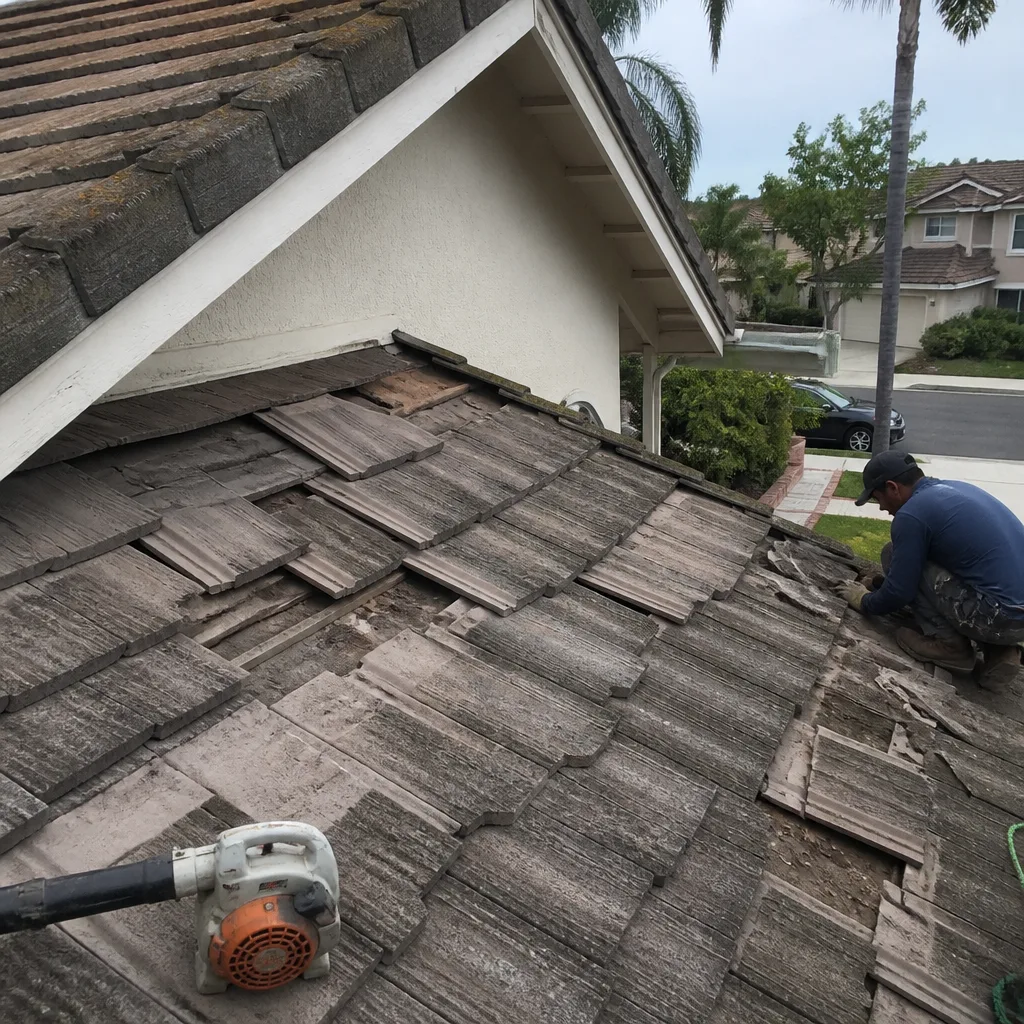 Before
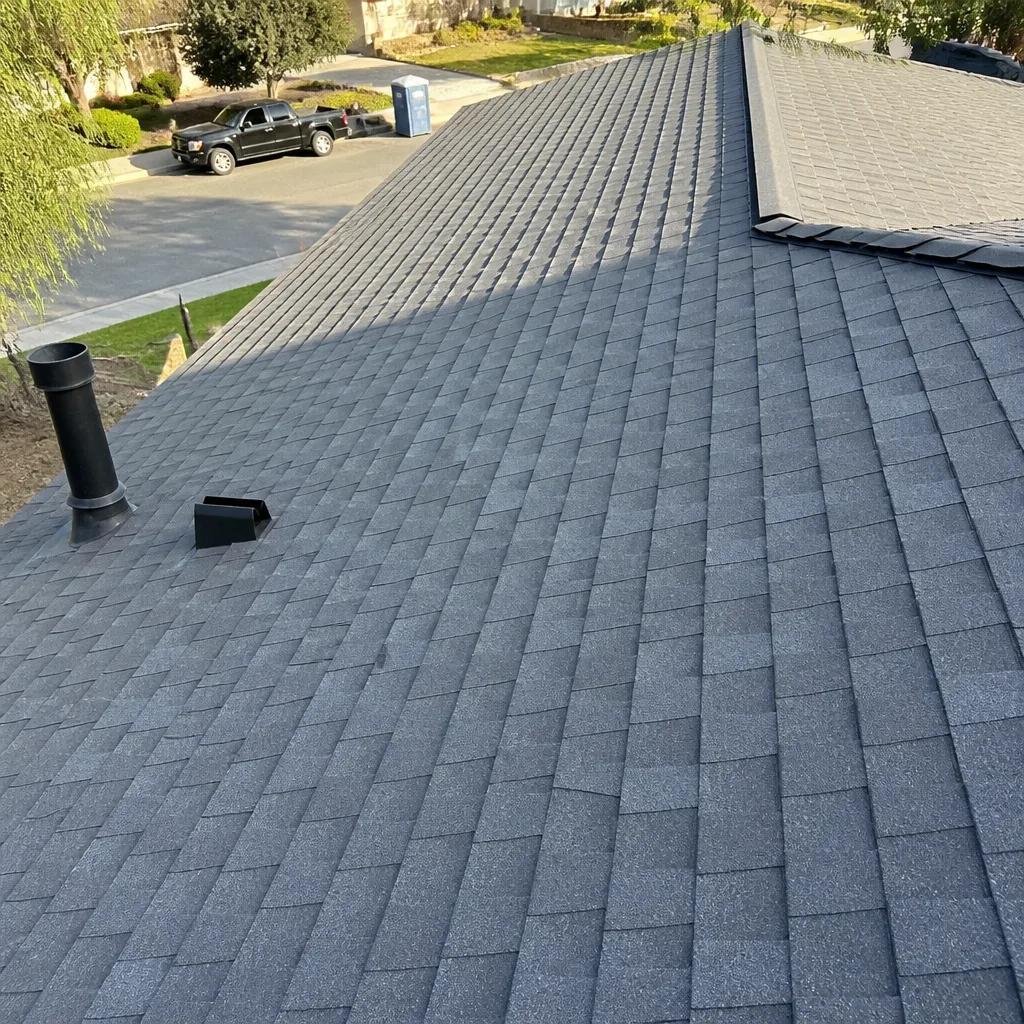 After
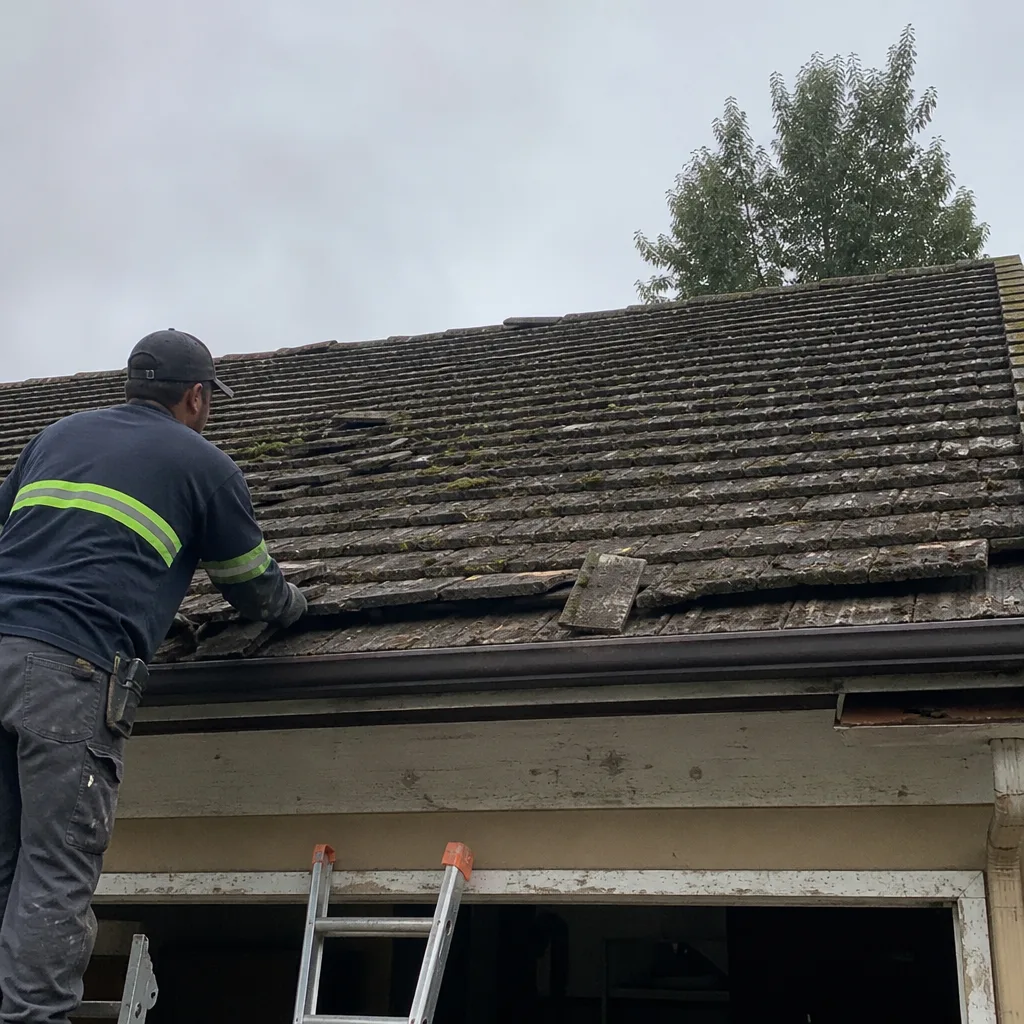 Before
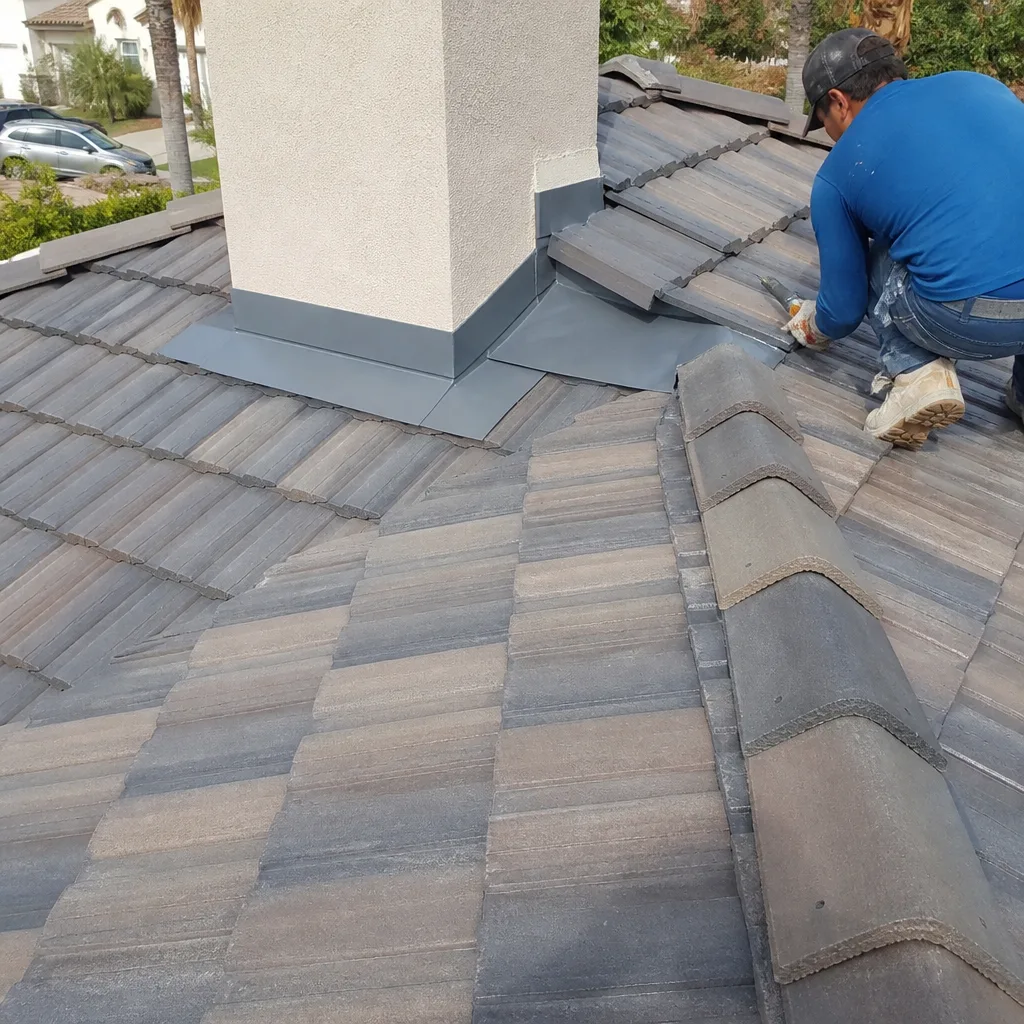 After
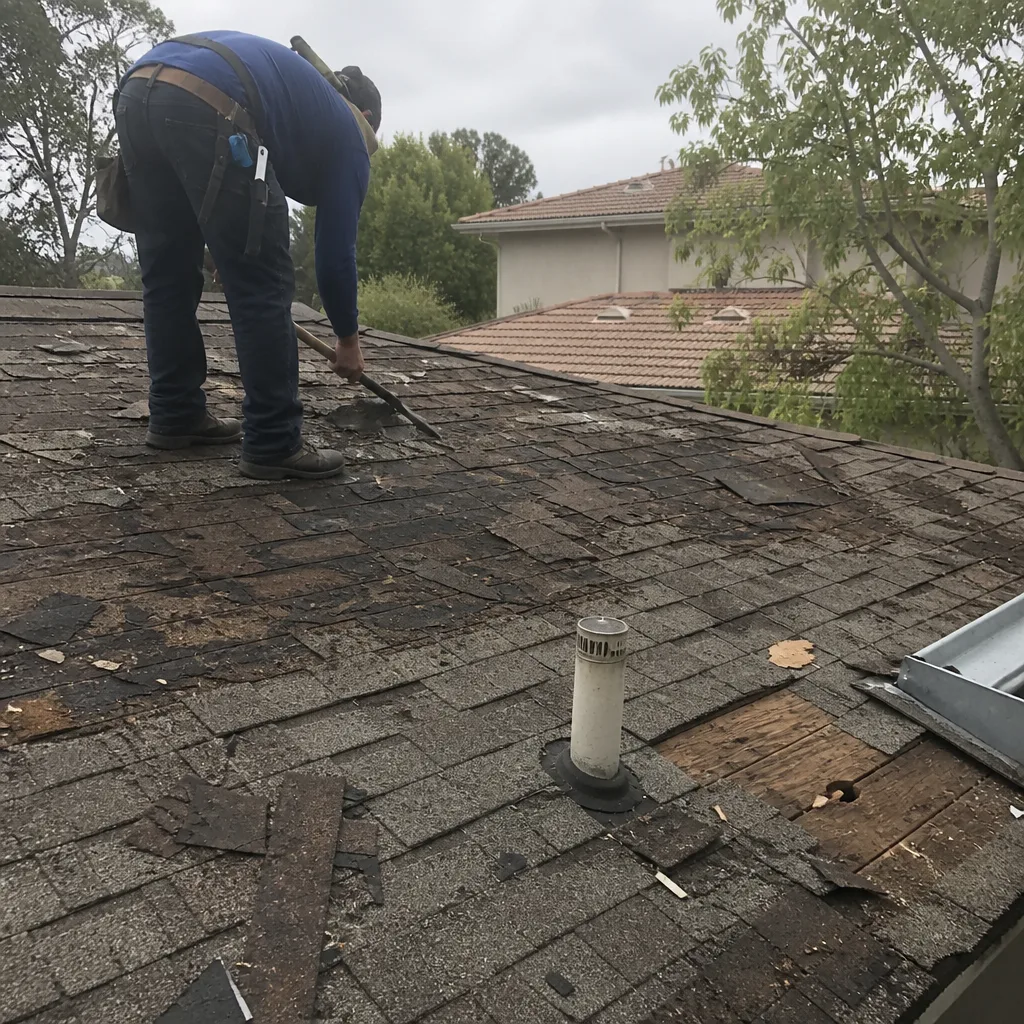 Before
 After