Last updated October 30, 2026
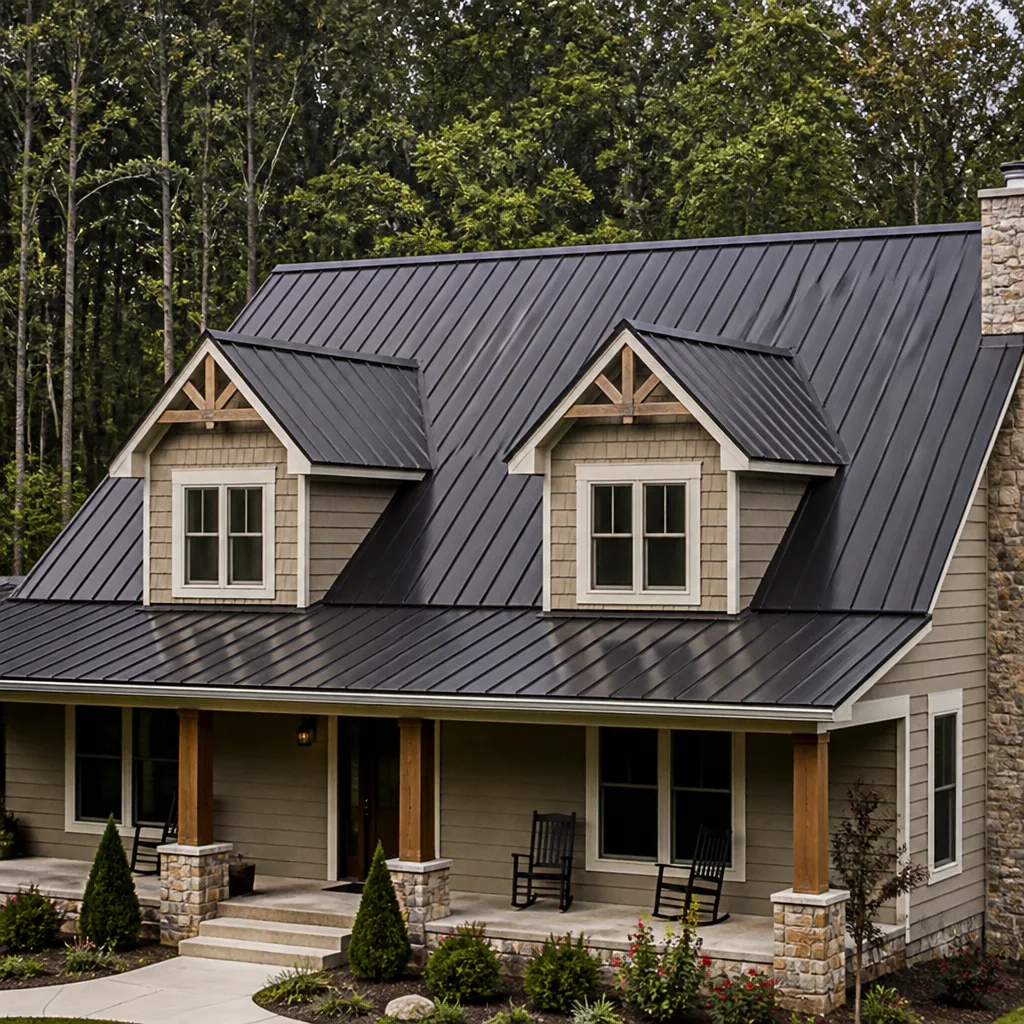 Metal roofing
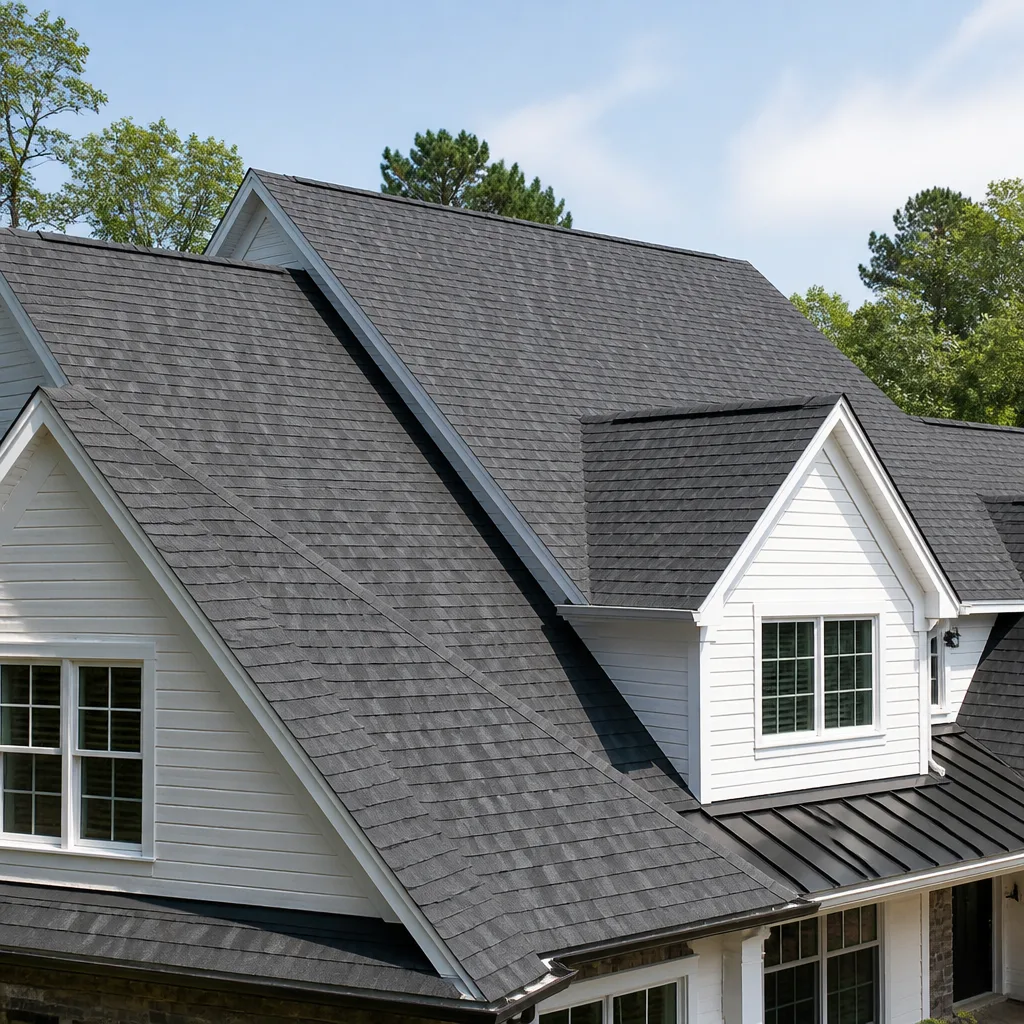 Architectural shingles
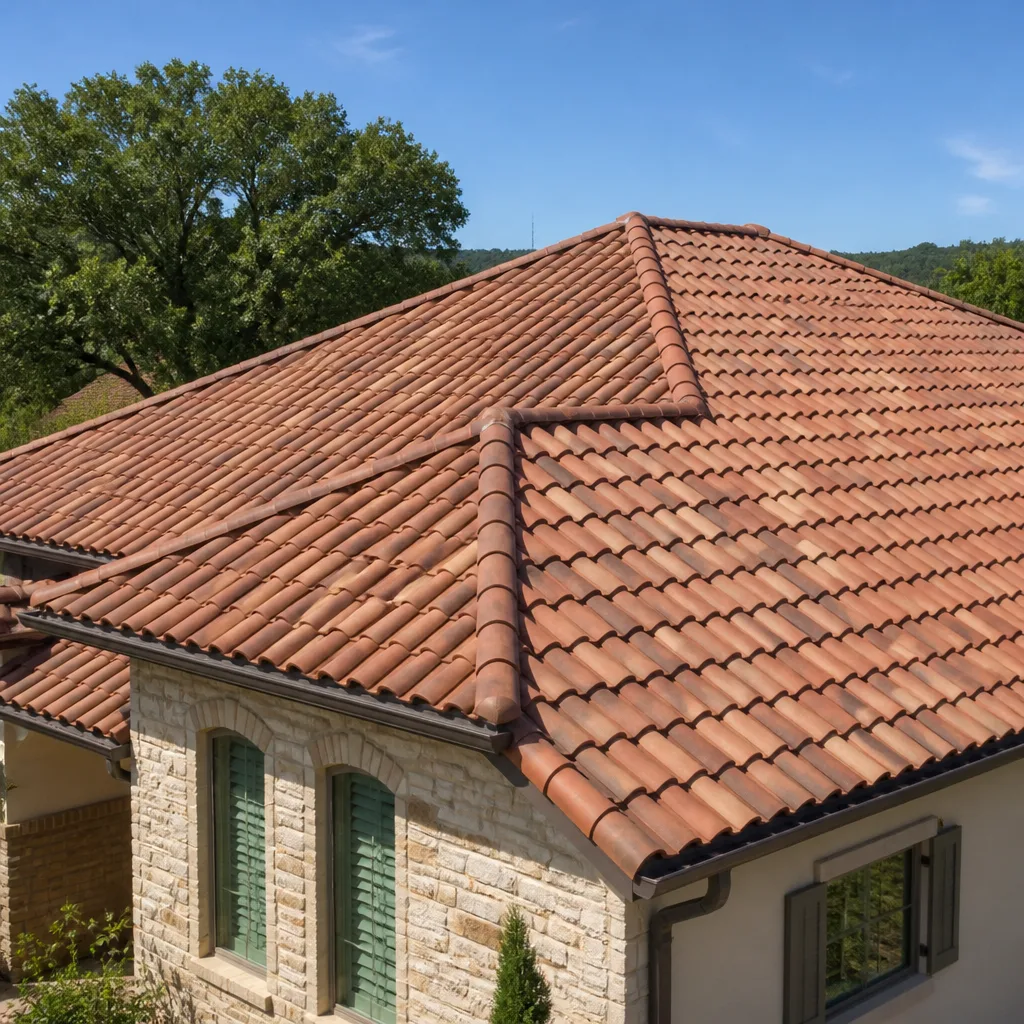 Tile roofing
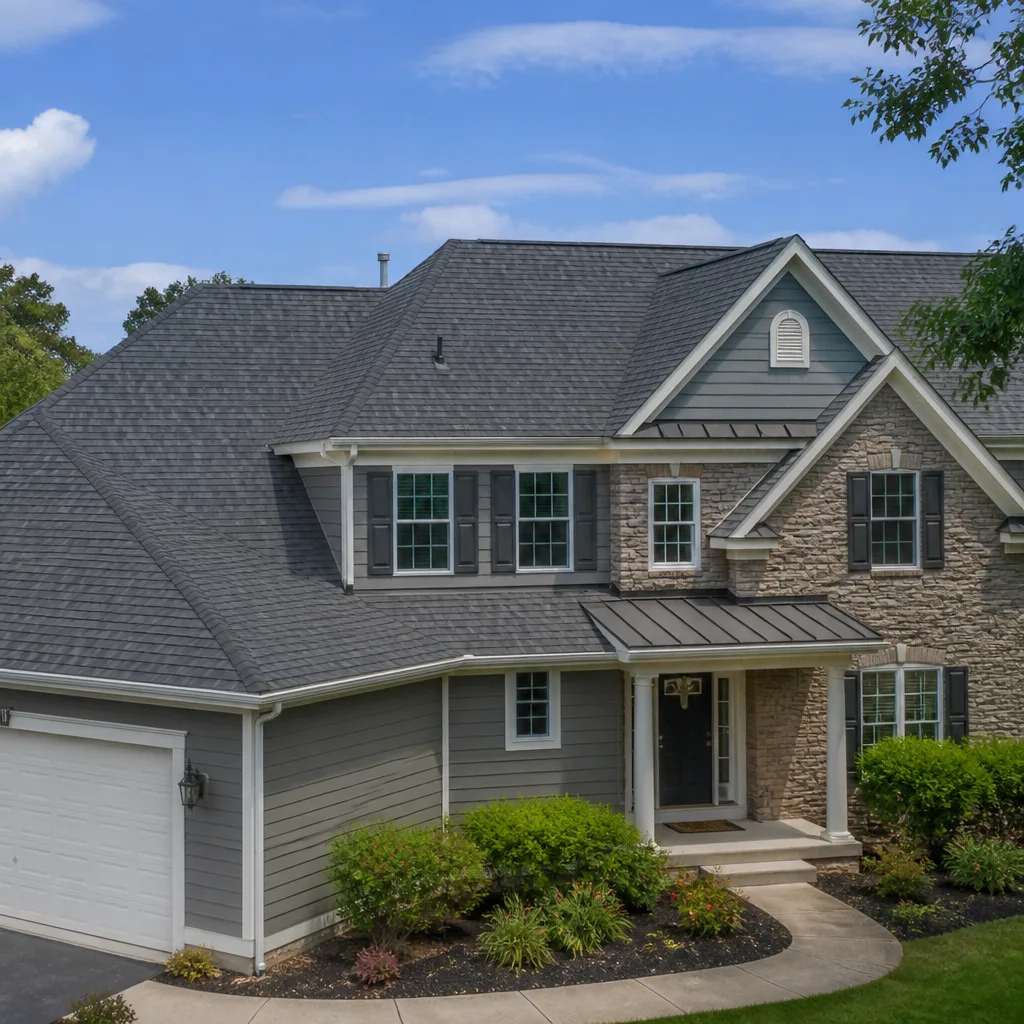 GAF
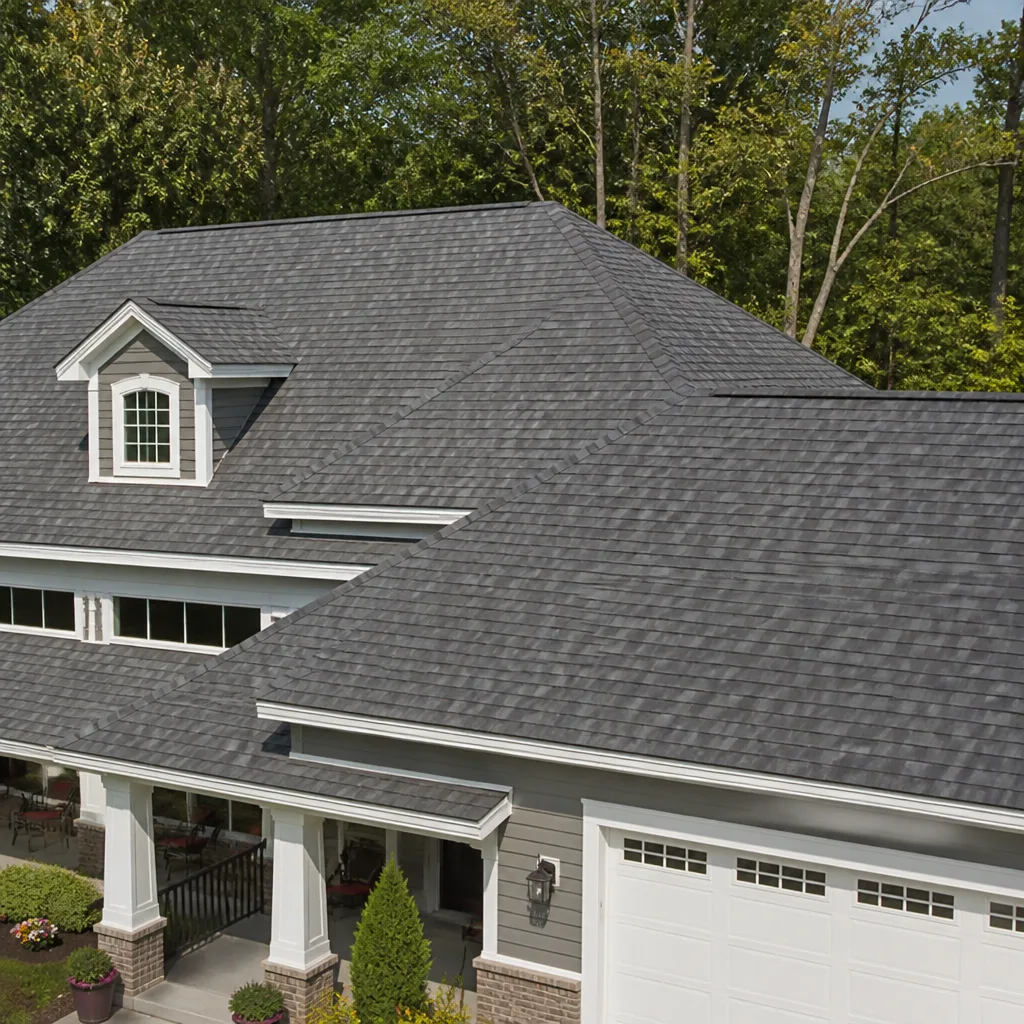 Owens Corning
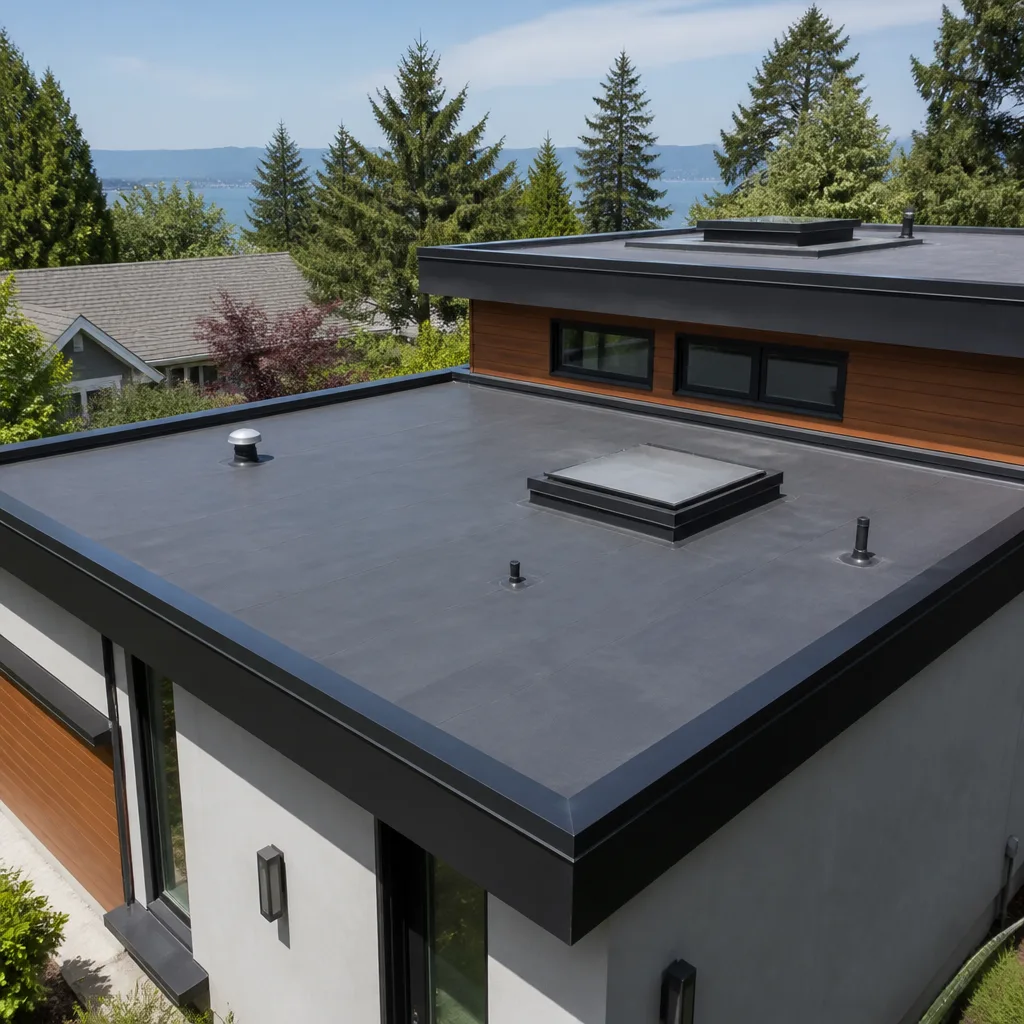 Flat & low-slope
Free roof inspection with deck photos before we talk money - GAF and Owens Corning certified installation
Roofing Emergency Preparedness Guide for Irvine Homes
After a major Santa Ana event in Orange County, roofing contractors receive more calls in 72 hours than they can schedule in three weeks. The homeowners who get repairs completed fastest are the ones who can provide current photos and know their roof’s material and age before they pick up the phone. This guide covers what actually happens to Irvine roofs during wind season, how to document your roof before trouble starts, what to do in the first hour after you spot damage, and how to avoid the costly mistakes that slow down legitimate repairs. For more guides & resources, visit our blog. You’ll learn the difference between an emergency fix and a permanent one, how insurance adjusters think about roof claims, and why Irvine’s specific building codes affect what happens after a storm.
Quick Answer
Roofing emergency preparedness in Irvine means documenting your roof’s condition before Santa Ana wind season (October through February), knowing which materials are installed and when, and having a plan for temporary tarping and contractor verification if damage occurs. For a deeper look at what to watch for, see our Roofing Warning Signs: A Irvine Homeowner’s Reference Guide. The single most valuable thing you can do is build a pre-storm documentation file with current photos, permit history, and your insurance policy number stored somewhere accessible from your phone. Homeowners who do this get permanent repairs scheduled faster and with fewer disputes than those who start from scratch after a storm.
Styles & brands we work with
Table of Contents
- The Santa Ana Wind Pattern and What It Does to Irvine Roofs
- Building Your Pre-Storm Roof Documentation File
- Emergency Tarping: When It Helps and When It Hurts
- Assessing Interior Damage Before the Contractor Arrives
- The Difference Between an Emergency Repair and a Permanent Repair
- Irvine-Specific Emergency Contacts and Storm Chaser Warnings
- Common Mistakes to Avoid
- When to Call a Professional
- Frequently Asked Questions
The Santa Ana Wind Pattern and What It Does to Irvine Roofs
Irvine’s roofing emergencies are not random. They cluster. The Santa Ana winds that sweep through the canyons and across the Irvine plain from October through February create sustained wind pressures that residential shingle systems simply were not designed to handle indefinitely. A roof that has been quietly deteriorating for years will hold up fine through June, July, and September. Then a 60-mile-per-hour gust event hits Northwood or Turtle Rock, and suddenly shingles are scattered across yards and water is finding its way into attic spaces that were dry the week before.
Wind damage to a shingle roof in Irvine follows a predictable sequence. First, the adhesive seal between shingle layers releases. This is the main line of defense, and once it fails, the shingle tabs begin to lift. Second, repeated gusting flexes the lifted shingles back and forth until the nail heads tear through the material, a failure mode formally called nail pull-through. Third, the now-detached shingles peel back in rows, exposing the underlayment and, in severe cases, the wood decking below.
The most vulnerable areas on Irvine homes are the roof edges, the ridges, and any penetration like a pipe boot, skylight, or attic vent. Corners and eaves take the highest uplift pressure. Homes in the newer developments around Great Park and Portola Springs tend to have steeper roof pitches that shed wind better, while older single-story ranches in El Camino Real and University Park often have shallower slopes where wind can get under the shingle edges more easily.
The critical point for homeowners is this: the roof that fails during Santa Ana season was almost always damaged or worn before the wind event. The storm does not create new problems. It exposes existing ones. That is why documentation matters more than anything else you can do for emergency preparedness in Irvine.
Building Your Pre-Storm Roof Documentation File
The single most effective step in roofing emergency preparedness for Irvine homeowners is creating a documentation file before you need it. This takes about 90 minutes, costs nothing, and changes the entire trajectory of an insurance claim or repair negotiation after a storm. Here is exactly what goes in it and how to build it.
What to Document
Start with photographs. You want ground-level photos of every roof plane, close-ups of the ridge lines, vents, pipe boots, and flashing around chimneys or skylights. Use your phone’s highest resolution setting. Shoot in the morning or late afternoon when the low angle shows texture and condition rather than washing everything out. Walk the perimeter and photograph each elevation separately. If you have an attic, photograph the underside of the roof decking from the access point, paying attention to any dark staining, white mineral deposits, or visible daylight through the boards. These interior photos are often more useful to an adjuster than exterior shots because they show what was already happening in the attic before the storm.
Your documentation file should include the roof’s material specification. What brand of shingle is installed? What type, architectural or three-tab? What color? If you know the product line, note it. GAF Timberline, CertainTeed Landmark, Owens Corning Duration, and Tamko Heritage are common across Irvine. If you do not know the brand, check the original builder documents or ask during your next roof inspection. Knowing the material matters because matching after a partial damage claim depends on the exact product, color lot, and sometimes even the manufacturing date. A homeowner who can tell their insurer “CertainTeed Landmark in Moire Black, installed March 2017” is three steps ahead of one who says “dark shingles.”
Add the install date or approximate roof age. Add the original contractor’s name if you have it. Add any warranty documents. Add your homeowner’s insurance policy number and the claims phone number. Add your mortgage company’s contact information, since claim checks are often made out to both homeowner and lender. Store all of this in three places: a folder on your phone, a cloud backup, and a printed copy in a known location inside the house. If your phone is dead and your power is out after an event, the printed copy becomes priceless.
Why This Matters for Insurance
Insurance adjusters work from evidence, not from your description. A homeowner who can show photographs taken in September with the roof fully intact has a materially stronger claim than one who can only show the post-storm damage photos. The pre-storm file establishes a baseline. It proves the damage is new, which is precisely what triggers coverage. Without it, adjusters often attribute some portion of the damage to pre-existing wear and tear, which reduces the settlement.
In our experience working on Irvine roofs across neighborhoods from Westpark to Woodbury, the documentation file is the variable that most consistently separates smooth claims from contested ones. We recommend photographing your roof at minimum twice per year: once in late September before Santa Ana season and once in late spring after the winter rains. Our Seasonal Roofing Care for Irvine: Year-Round Homeowner’s Guide has a complete maintenance calendar. Store these in the same cloud folder each time, labeled with dates. Over years, this becomes a rolling record of your roof’s aging process that no adjuster can reasonably dispute.
- Choose a clear morning or late afternoon in late September.
- Photograph all roof planes from the ground, then close-ups of ridges, edges, vents, and flashing.
- Photograph the attic underside, focusing on staining, daylight, and any visible decking damage.
- Record material brand, type, color, and approximate install date if known.
- Add insurance policy number, claims phone, mortgage lender contact.
- Store copies on phone, cloud, and print one physical copy.
Emergency Tarping: When It Helps and When It Hurts
Emergency tarping is the single most misunderstood step in post-storm roof care. Done correctly, it prevents secondary water damage and satisfies the “mitigation” requirement in virtually every homeowner’s insurance policy. Done incorrectly, it causes shingle damage that never would have occurred, and it creates a slip hazard that injures more homeowners than the roof failures themselves.
Here is the correct logic: tarping is appropriate when there is an active leak into the living space and rain is forecast before a permanent repair can be completed. It is also appropriate when the roof decking is exposed and any moisture intrusion is possible. It is not appropriate when the roof is damaged but dry and the forecast is clear. Tarping a dry roof unnecessarily means walking on a damaged surface, driving fasteners into shingles that were still sealed, and creating holes that then have to be patched. More than once we have arrived at an Irvine home where a well-meaning homeowner tarped a dry roof and turned a simple shingle repair into a much larger one.
If tarping is genuinely necessary and you choose to do it yourself, understand the mechanics first. The goal is to cover the damaged area with a tarp that extends at least three feet past the damage on all sides. Anchor it with sandbags or with boards wrapped around the tarp edges and screwed into the fascia, never into shingles in the field of the roof. Screws into the decking create leaks. Use a harness tied off to a solid anchor if you are working on a steep pitch. Irvine’s newer homes in Portola Springs and Orchard Hills have steep architectural profiles that are genuinely dangerous to walk. If there is any doubt about your ability to work safely, wait for a professional. The risk of a serious fall is not worth saving a few hours on a tarp job.
Insurance requires mitigation for a reason. If the storm damage is covered and you do not tarp when a reasonable person would, and then rain damages your interior, the adjuster may exclude the interior damage as a failure to mitigate. That is a painful conversation. Under-mitigation costs you money. Over-tarping costs you roof integrity. The judgment call does not require heroics. It requires knowing whether water is actually coming in and whether rain is actually coming.
Assessing Interior Damage Before the Contractor Arrives
When a storm passes and you suspect roof damage, the interior of your Irvine home will often show the first clear signs: water stains on ceilings, water running down interior walls, damp carpet, or the musty smell of wet insulation. Documenting this properly before anyone touches anything protects your insurance claim in ways most homeowners never consider.
Start with photographs and video. Every room, every stain, every damp area, even if it seems minor. Video is especially useful because you can narrate as you walk: the date, the time, the room, what you are seeing. This narration is evidence later. Pay attention to ceilings under roof valleys, around skylights, and in closets along exterior walls, which are the first places roof leaks announce themselves in Irvine homes. If water is actively dripping, place a bucket underneath and photograph that too. The bucket photo documents both the leak and the fact that you acted to prevent further damage, which is the mitigation duty your policy requires.
Next, check the attic if you have safe access. Shine a flashlight on the underside of the roof decking and look for wet spots, water staining, dripping, or insulation that looks matted down. Document everything with your phone camera. Do not move insulation, do not cut open drywall, and do not begin permanent repairs. Moving wet insulation can compress the evidence layer. Cutting drywall before the adjuster has seen the full extent of the water migration can undermine the claim. Your job in the first hours after a storm is to record and mitigate, not to fix.
If you find water in multiple rooms or the ceiling is sagging, that is a call to a professional immediately. A sagging ceiling contains water weight and can collapse. In that situation, call us or another local Irvine roofer and also consider whether a water mitigation company is needed to handle the interior dry-out. The roof repair and the interior dry-out are two separate scopes of work, and most roofers do not handle the interior. Knowing that distinction before the phone calls begin will save you confusion. Gable Roof Repair handles the roof side – inspection, repair, and replacement – but we’ll always be direct with you about what falls outside our scope and who needs to handle it.
The Difference Between an Emergency Repair and a Permanent Repair
After a storm event in Irvine, you will likely receive several pieces of advice, some solicited and some not. The most important distinction to understand before you spend any money is the difference between an emergency repair and a permanent one, because confusing the two is how homeowners end up with full replacement quotes they did not actually need.
An emergency repair does one job: it stops active water intrusion or prevents imminent intrusion. It is tarping, a temporary patch, a sealant application over a damaged flashing, or a few shingles replaced to close a hole. The purpose is buying time. It is not intended to be the final state of the roof. Emergency repairs are often done under pressure, in weather, and with whatever materials are available on the truck. They look functional but unglamorous. That is acceptable, and every honest roofer will tell you the same.
A permanent repair restores the roof’s integrity to its pre-damage condition using matching materials and correct installation methods. This is the repair that carries a workmanship warranty from the installer and aligns with the manufacturer’s installation specifications for whatever brand is on the roof. If the roof has CertainTeed shingles, the permanent repair should use CertainTeed shingles of a compatible color and profile. If the roof has Boral tile, the permanent repair uses matching tile. The process takes longer, costs more, and should not be performed until the adjuster has had a chance to inspect the documented damage.
Now here is where Irvine homeowners get pushed into decisions they regret. A national storm-chasing outfit or a door-knocking contractor will often recommend a full replacement in the days after a major wind event. They will point to the visible damage, mention “total loss” language, and produce a contract for signature. In some cases, the replacement is genuinely warranted. In many cases, it is premature. A roof with localized shingle lift around the edges does not require replacement. A roof with missing shingles over one slope does not require replacement. A roof with a few lifted tabs and no water intrusion does not require replacement. Accepting a replacement quote before the insurance adjuster has assessed the claim and before a repair-focused inspection has been performed is a costly mistake.
This is why we operate the way we do. Inspection first, recommendation second. Our default recommendation at Gable Roof Repair is repair when it makes sense and replacement only when it is genuinely right. We work with seven major shingle manufacturers, including GAF and CertainTeed, which means we can match your existing roof rather than inventing reasons to replace it. If you have already received a replacement quote after a storm, a second opinion from an inspection-focused contractor is the cheapest insurance you will ever buy.
Irvine-Specific Emergency Contacts and Storm Chaser Warnings
Irvine has specific agencies and protocols for weather-related property damage, and knowing who to call in what order saves hours after an event. These contacts are especially relevant for homeowners in the newer developments such as Stonegate, Cypress Village, and Portola Springs, where HOA rules may also apply to exterior repairs.
- City of Irvine Building Safety Division: The city requires permits for roof replacements and, in some cases, for structural repairs. After a major storm event, the building department may issue emergency permit procedures. Call (866) 650-8319 during business hours for guidance. For urgent after-hours building emergencies, the City of Irvine non-emergency dispatch line at (866) 650-8319 can direct you.
- Orange County Emergency Operations Center: The OC EOC activates during major Santa Ana events and coordinates disaster response. Their public information line is (866) 650-8319. This is the correct number for local emergency declarations, evacuation orders, and county-level resource deployment.
- Your Insurance Carrier’s Claims Line: This call should happen on the same day you discover damage. Most policies have a requirement to report “promptly,” and delaying the report is a common reason claims get complicated. Have the policy number ready, which is one reason the documentation file from earlier in this guide matters.
- Your HOA Management Company (if applicable): Many Irvine communities are HOA-governed, and exterior modifications, including roofing materials and colors, may require architectural committee approval even in emergency scenarios. Calling the HOA early prevents a completed repair that then must be redone to meet community standards.
Verifying a Contractor Is Local, Not a Storm Chaser
After any significant wind event in Southern California, out-of-town crews arrive within days. They work from hotel rooms, use rental trucks, and disappear when the work dries up. Some are competent. Many are not. Some are not even licensed in California. The California Contractors State License Board (CSLB) website is the primary verification tool. A legitimate California roofing contractor has a C-39 roofing license that is active and in good standing. You can check license status, insurance coverage, and disciplinary history on the CSLB database by license number or company name.
A local contractor has a physical address in or near Irvine, answers the phone with the company name, and can provide local references from neighborhoods you recognize. They will be pulling permits through the City of Irvine when required, and they will not pressure you to sign anything on the spot. Ask any contractor who knocks on your door after a storm for their license number and verify it on the CSLB website while they wait. If they hesitate, that is your answer. The City of Irvine also maintains contractor registration requirements for work within city limits, so checking both the CSLB and the city’s requirements is the baseline due diligence.
Common Mistakes to Avoid
After 15 years of roofing work in Orange County, we have seen the same mistakes repeat across every storm season. Some of them are not obvious until after the fact, and all of them cost Irvine homeowners time, money, or both. The list below is specific, and each mistake is avoidable with planning.
- Waiting to document until after damage occurs. Without pre-storm photographs, you cannot prove what was new damage and what was already there. Adjusters know this and will use the absence of a baseline to reduce settlement amounts. The documentation file in this guide solves this before it becomes a problem.
- Tarping a dry roof because it looks damaged. If there is no active leak and no rain coming, do not walk the roof. Tarp fasteners cause shingle damage and decking holes. Wait for a professional inspection. This is the single most common self-inflicted roof injury we see after Santa Ana events in Irvine.
- Accepting a replacement quote within 48 hours of a storm. Full replacement may be the right answer, but the decision requires inspection and, usually, an insurance adjuster’s assessment. A quote produced under time pressure before either has happened is not an engineering judgment; it is a sales tactic. Get a second opinion from an inspection-focused contractor.
- Signing an assignment of benefits without reading it. Some storm chasers will ask you to sign over your insurance claim rights so they can deal with the carrier directly. This is legal in California but can leave you with little control over scope, price, or quality. Read any document that mentions “assignment” extremely carefully, and consider having an attorney review it before signing.
- Ignoring attic ventilation problems during the repair conversation. A storm exposes roof failures, but many of those failures are accelerated by attic heat and moisture problems that existed before the wind. The emergency repair fixes the shingle, not the ventilation. If you are getting a significant repair anyway, ask the contractor whether the attic airflow is adequate. It is the cheapest upgrade you can make while the roof is already open.
- Using the insurance settlement as the budget ceiling. Insurance settlements reflect the adjuster’s estimate of covered damage. They do not necessarily reflect the full cost of correct repairs using quality materials. If the settlement is too low, you have the right to negotiate. Do not select a contractor solely because their quote matches the settlement number exactly.
- Forgetting to check the CSLB license before hiring. It takes two minutes on the website and is the most reliable filter between legitimate Irvine roofers and transient storm chasers. No legitimate contractor objects to license verification. Any contractor who does object is telling you something important.
When to Call a Professional
Some roofing situations after a storm are manageable on your own. Others are not, and the boundary between them is not always obvious. Call a professional when you see any of the following: active water entering the living space, visible daylight through the attic decking, a sagging ceiling, shingles scattered across the yard or hanging from the roof edge, any sign of structural movement, or a roof leak in multiple locations simultaneously. Also call if the roof is steep enough that you cannot stand comfortably on the ground and photograph it without leaning. Irvine’s newer communities, particularly in Orchard Hills and Laguna Altura, have roof pitches that are genuinely dangerous for untrained people to walk.
If you are uncertain whether the damage warrants professional attention, the cost of a roof inspection is less than the cost of a missed leak. Gable Roof Repair offers free estimates in Irvine, and our inspection service stands alone – it is not a Trojan horse for a replacement quote. Repair when it makes sense, replace when it’s right. Call (866) 650-8319 to schedule an honest assessment of what your roof actually needs.
Frequently Asked Questions
Emergency roof repair in Irvine typically ranges from $350 to $900 for tarping or a temporary patch, depending on roof pitch, accessibility, and the extent of the damaged area. Permanent repairs for storm damage usually run $800 to $2,500 for localized shingle replacement, though this depends on the material type and the number of affected areas. Any contractor quoting a full replacement without performing an inspection first should be treated with caution. Call (866) 650-8319 for an exact quote after we inspect your roof – estimates are free.
Most small repairs do not require a permit in Irvine, but roof replacements and structural modifications do. For details on what’s required, read Roofing Permits, Codes & Inspections in CA: What You Need to Know. The City of Irvine Building Safety Division requires permits for reroofing projects, and working without one can create problems when you sell the home. A legitimate local contractor will handle the permitting process as part of the job. Storm chasers often skip permits because they are not planning to stand behind the work or remain in the area.
Most homeowner’s policies cover wind and rain damage, but coverage depends on the age of the roof, the specific policy language, and whether the damage is classified as new versus pre-existing wear and tear. Your documentation file is the proof that the damage is new. If your policy has an actual cash value provision for roofs, older roofs may only be covered at depreciated value. The details matter, and the adjuster’s report is based on evidence, which is why the pre-storm photos make such a difference. Call (866) 650-8319 for a free roof inspection that will give you the documentation you need.
A properly installed tarp can stay on a roof for 30 to 90 days, but it is a temporary measure, not a roof. The longer a tarp remains, the more risk of UV degradation, wind loosening, and moisture trapped underneath. Insurance companies expect permanent repairs to be scheduled promptly once the claim is settled. If you have had a tarp on your roof for more than a few weeks and no permanent repair is scheduled, something in the process has stalled and should be addressed.
A local contractor has a verifiable business address in or near Irvine, an active C-39 license on the CSLB database, and local references you can actually call. They answer the phone with the company name, not a generic greeting. They pull permits through the City of Irvine when required and they do not pressure you to sign anything on the first visit. Anyone who knocks on your door after a storm claiming to be “in the area” should be asked for their license number immediately and verified on the CSLB website while they wait. The link to our Gable Roof Repair home page includes our service area information – if you’re outside Irvine, our nearby Roof Repair in Stanton service page covers the surrounding communities.
A roof inspection is a diagnostic assessment of your roof’s current condition, which may recommend repairs, replacement, or no action at all. An estimate is a price quote for a specific scope of work that has already been identified. The distinction matters because an inspection should stand alone – it should not be a sales call disguised as a diagnostic. That is why our Roof Inspection in Stanton service is available as a standalone appointment, and why we treat inspection, repair, and replacement as three separate stages rather than one continuous upsell. If you are considering Roof Replacement in Stanton and nearby areas, a pre-replacement inspection is the starting point that tells you whether replacement is actually necessary or whether a repair will extend the life of your existing roof. We work with your roof’s brand, not ours, and our inspection report reflects what we find, not what we want to sell.
The Bottom Line
Irvine’s roofing emergencies are shaped by a predictable pattern: Santa Ana wind events between October and February expose weaknesses that have been developing for years. The homeowners who fare best are not the ones with the newest roofs. They are the ones who documented their roof’s condition before the storm season, who understand the difference between emergency and permanent repairs, and who verify contractors through the CSLB before signing anything. The documentation file takes 90 minutes to build and pays for itself the first time you need it. When damage does occur, call a local Irvine roofer who separates inspection from sales. Gable Roof Repair handles inspection, repair, and replacement under one roof, works with seven major brands including GAF and CertainTeed, and always leads with what the roof actually needs. Call (866) 650-8319 to schedule your free estimate.
Written by the team at Gable Roof Repair, serving Irvine since 2016.
See the difference
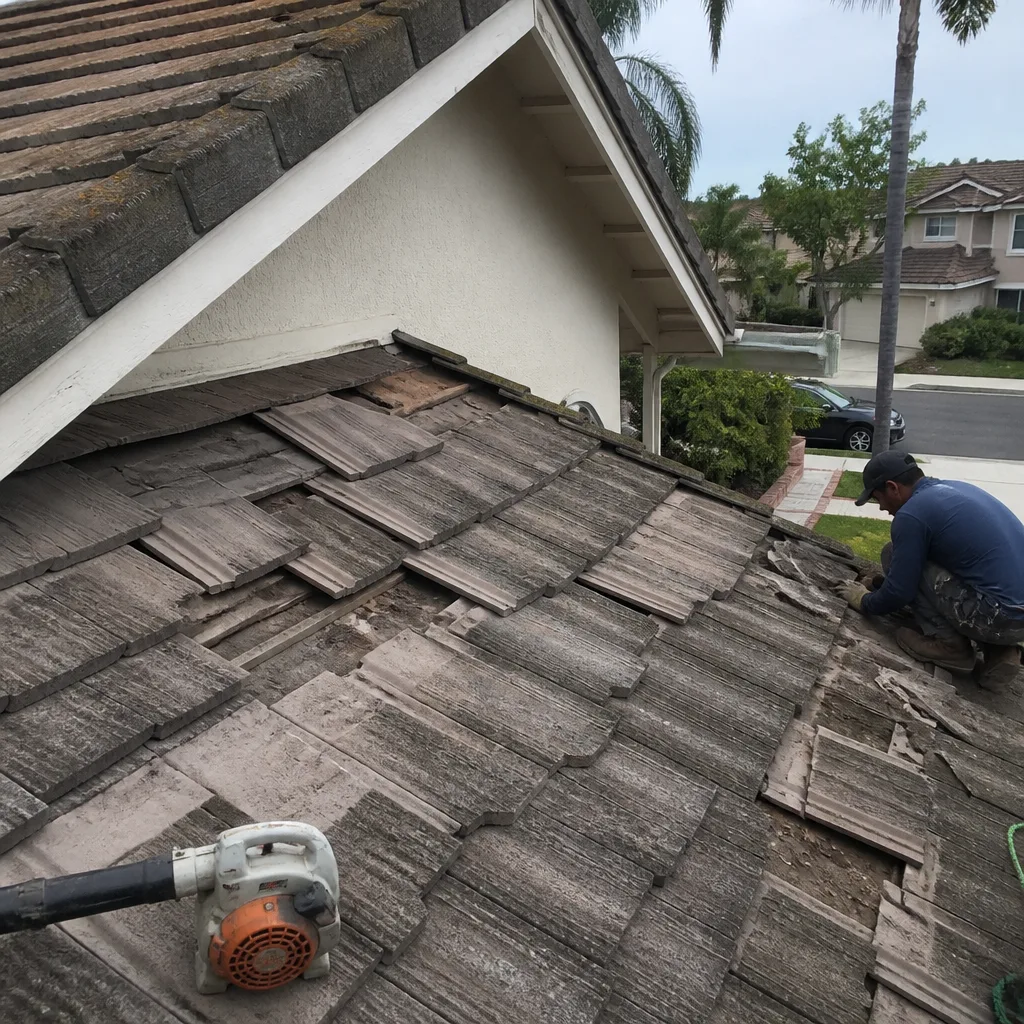 Before
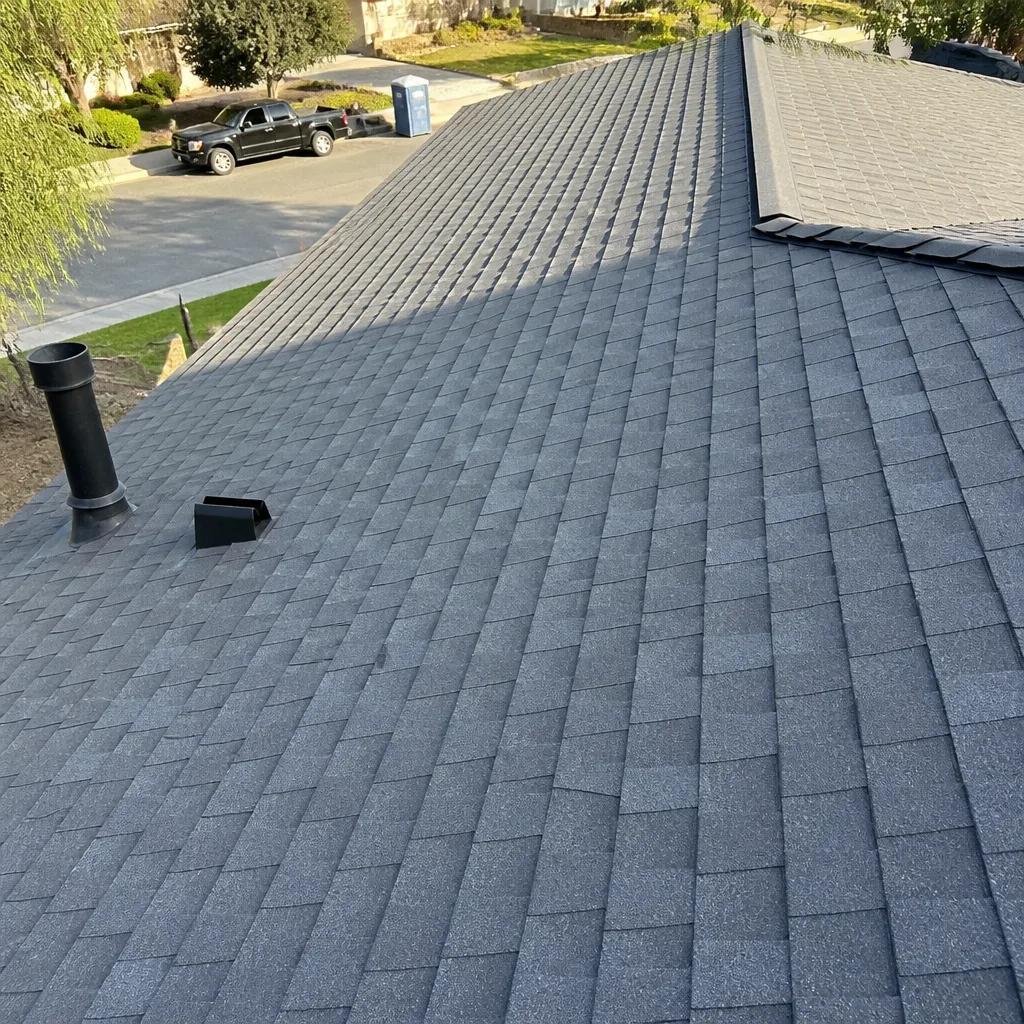 After
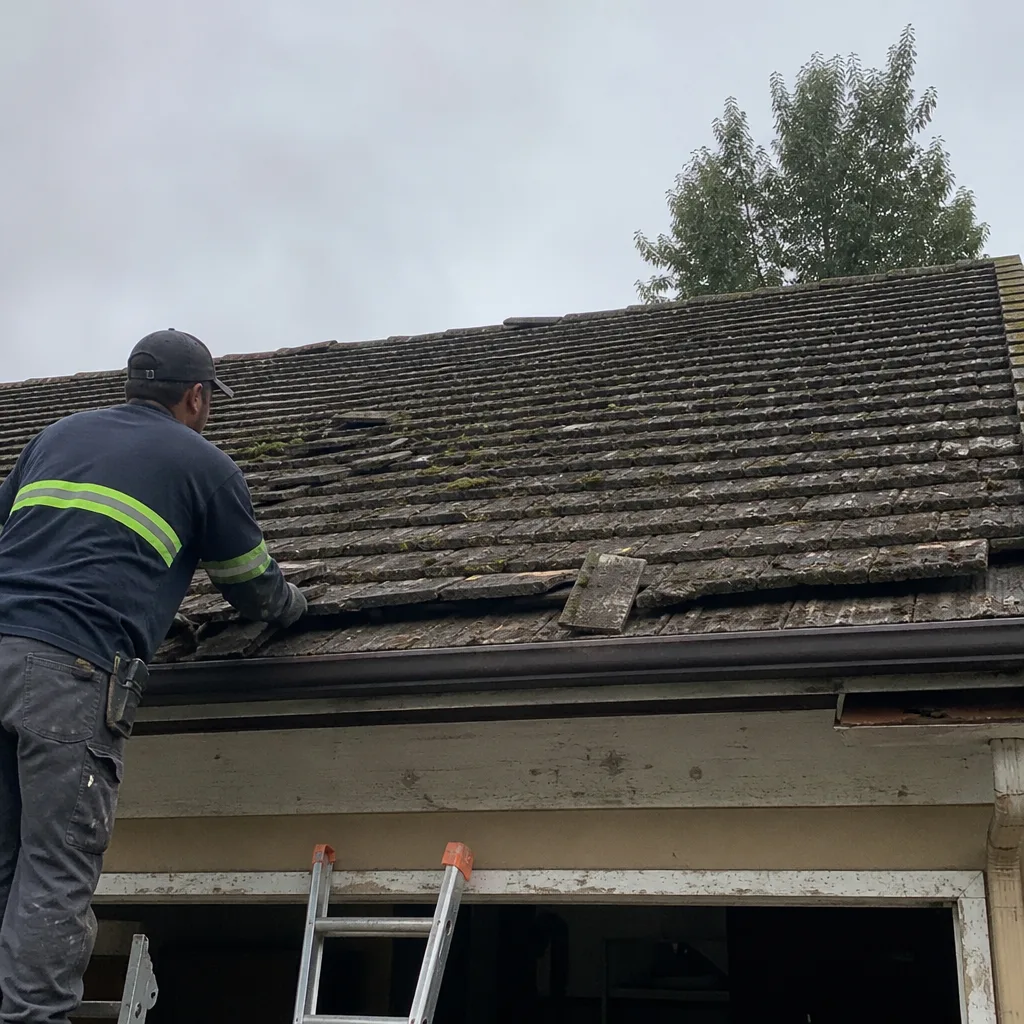 Before
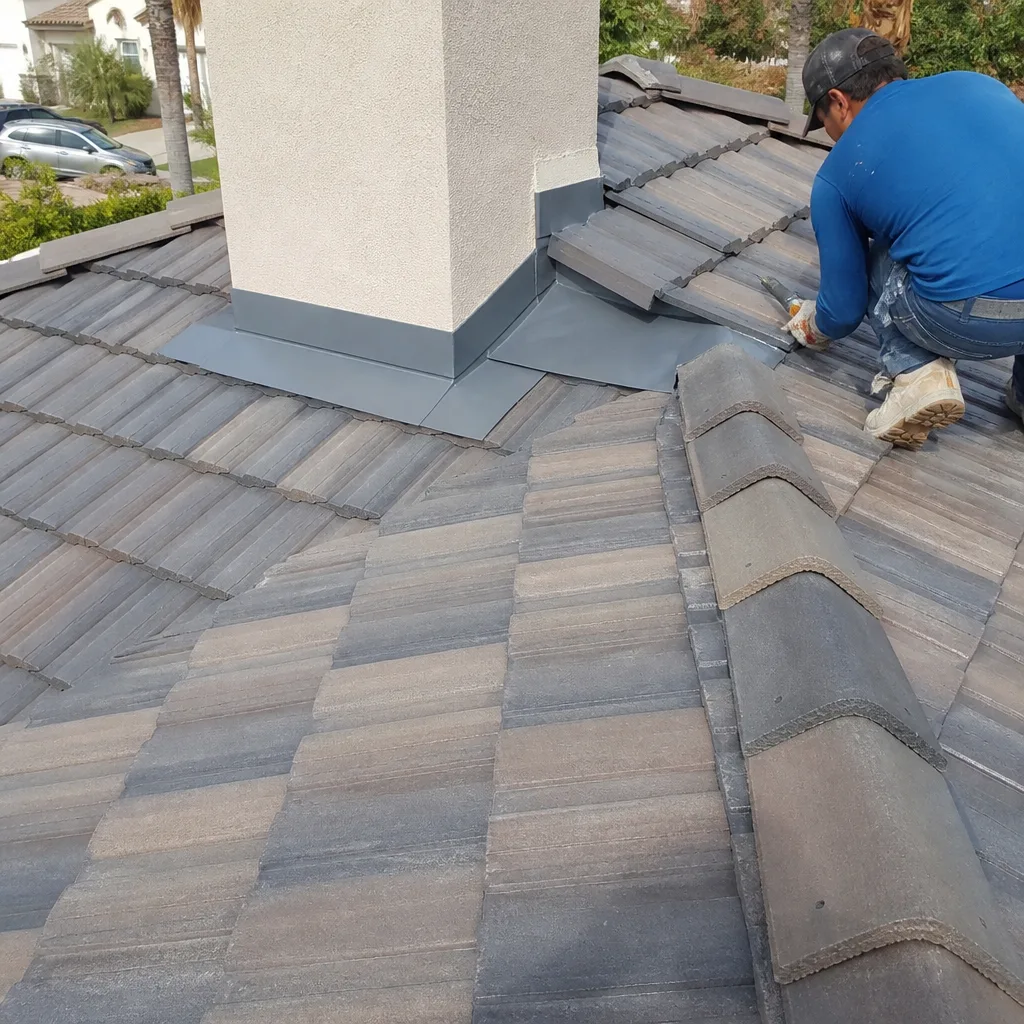 After
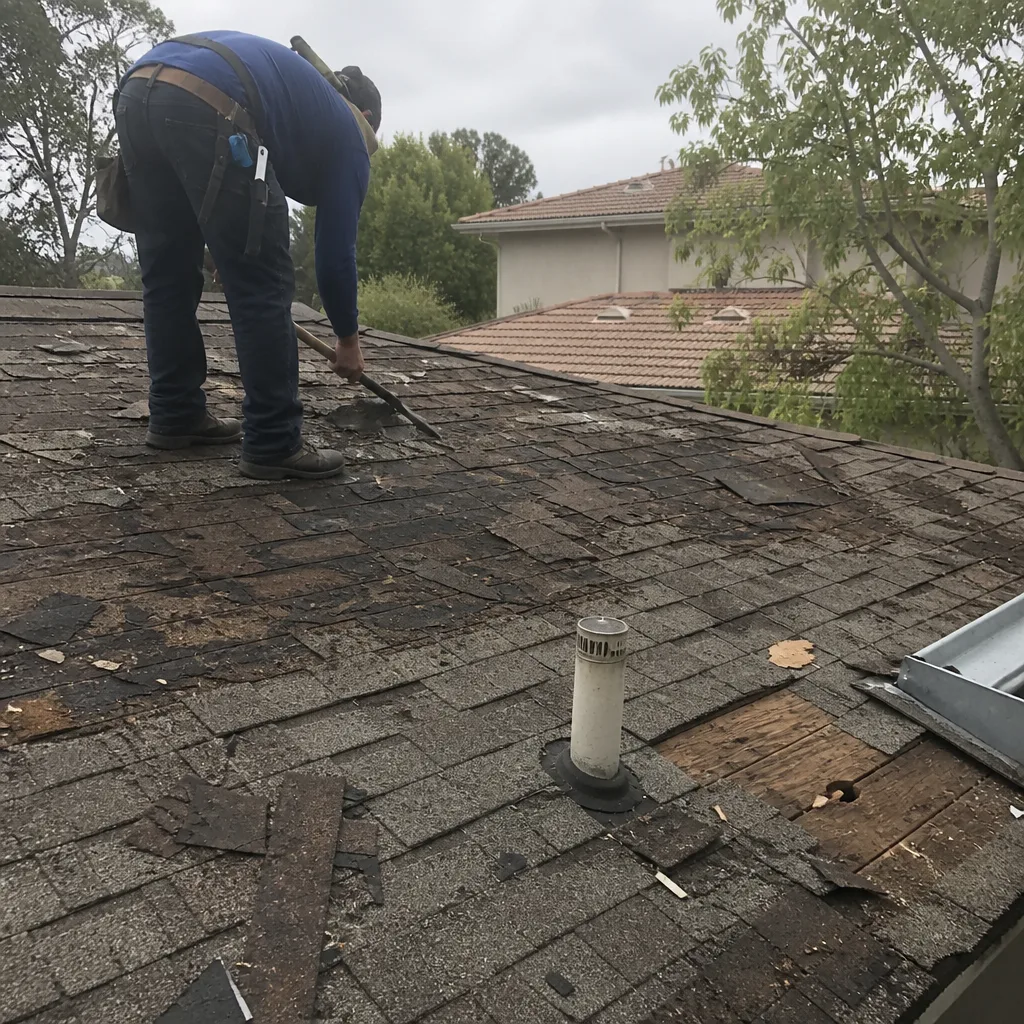 Before
 After